Why your alarm can leave you feeling groggy when it interrupts deep sleep
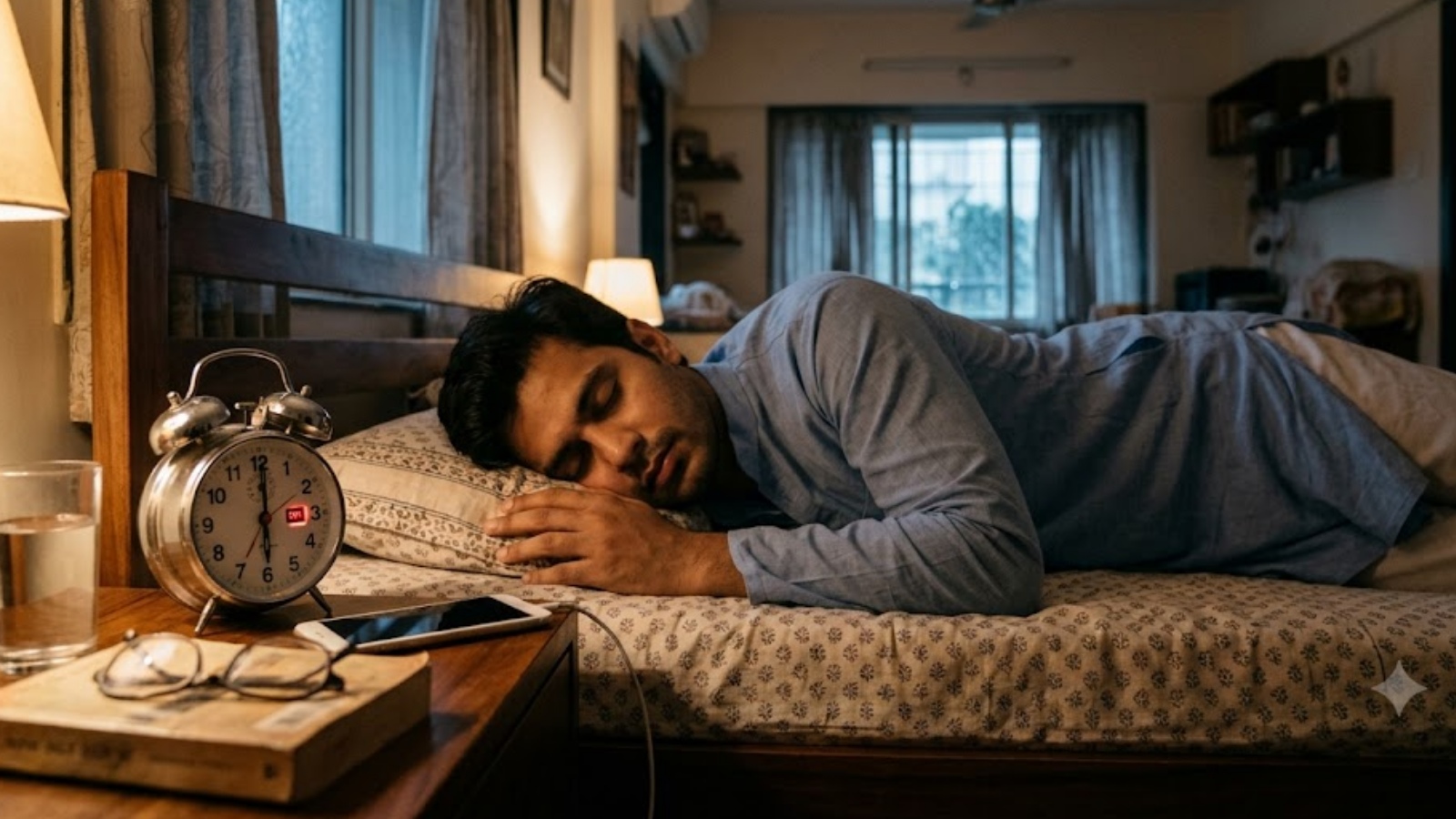
Have you ever woken up to an alarm feeling groggy, disoriented, or as though you could use a few more hours of sleep, even after getting enough rest? One possible reason is the sleep stage you were in when the alarm went off. Waking abruptly during deep sleep can make it harder for the brain to transition to full alertness, a phenomenon known as sleep inertia.
However, alarms are not inherently harmful, even when they interrupt deep sleep. According to Dr Nikhil Jadhav, Consultant Neurologist at KIMS Hospitals, Thane, the more important factors are how long you sleep, the quality of your rest and whether you maintain a consistent sleep schedule.
What happens during deep sleep?
Deep sleep, also called slow-wave sleep, is an important stage of non-rapid eye movement (NREM) sleep. During this phase, the brain produces slow electrical waves, while heart rate and breathing generally slow and become more regular. Deep sleep supports physical recovery, tissue repair, immune function and aspects of memory consolidation.
“Deep sleep is the stage at which the body focuses on physical recovery,” Dr Jadhav explains. “It can be difficult to wake up from this stage because the brain needs more time to transition into a fully alert state.”
DISCLAIMER: This article is based on information from the public domain and/or the experts we spoke to. Always consult your health practitioner before starting any routine
This transition can cause sleep inertia, during which a person may feel drowsy, mentally sluggish or disoriented after waking. The experience can last several minutes and sometimes longer, depending on factors such as sleep duration and the circumstances of waking.
Dr Jadhav clarifies that an alarm does not damage the brain simply because it interrupts deep sleep. Rather, waking before the brain is ready can make the transition to alertness feel less comfortable. If this happens regularly, it may be worth examining whether you are getting enough sleep and keeping a consistent schedule.
Story continues below this ad
How does REM sleep affect the way you feel when you wake up?
Rapid eye movement (REM) sleep is associated with vivid dreams, increased brain activity and emotional processing. Although brain activity during this stage resembles wakefulness in some respects, most voluntary muscles remain temporarily relaxed.
REM sleep contributes to learning, memory and the processing of emotional experiences. Waking suddenly during this phase may leave you remembering a vivid dream or feeling briefly confused.
“REM sleep plays a role in learning, memory and the processing of emotional experiences,” says Dr Jadhav. “When a person wakes up suddenly during this stage, their immediate alertness can be affected by sleep inertia.”
However, waking during REM sleep does not automatically mean you will feel tired throughout the day. According to Dr Jadhav, how refreshed you feel depends on several factors, including total sleep duration, sleep quality and your body’s internal clock.
Is it better to wake up during light sleep than deep sleep?
“The experience of waking up depends partly on the sleep stage, but that is only one part of the picture,” Dr Jadhav says. “It is not necessary to do everything possible to avoid waking up during a particular stage.”
Story continues below this ad
Sleep cycles change throughout the night, and a standard alarm cannot reliably ensure that you wake up during light sleep. Trying to time every wake-up around a particular stage may therefore be less useful than prioritising adequate rest.
How can you wake up feeling more refreshed?
If you regularly struggle to get out of bed or feel groggy after waking, consider these habits:
* Get enough sleep: Allow sufficient time for rest rather than routinely cutting sleep short to meet an early alarm.
* Keep a consistent schedule: Try to go to bed and wake up at similar times every day, including weekends.
* Pay attention to sleep quality: Frequent awakenings or persistently unrefreshing sleep may indicate that your sleep routine needs attention.
* Avoid relying on sleep-stage timing alone: Consumer sleep trackers and standard alarms cannot guarantee that you will wake up during light sleep.
Dr Jadhav emphasises that maintaining a regular sleep duration and waking at a consistent time are more practical ways to improve morning alertness than trying to avoid a specific sleep stage.
Story continues below this ad
DISCLAIMER: This article is based on information from the public domain and/or the experts we spoke to. Always consult your health practitioner before starting any routine
KioskNews shows a cleaned-up reading view extracted from the publisher’s page — the original always lives on their site, not ours.