ESPN DeportesChivas ve como "cereza en el pastel" vencer al AméricaThe Jerusalem PostHealth minister’s intervention highlights Israel’s protekzia problem, healthcare gaps - editorialInquirerHouse defers DICT budget gab over online content concernsPunchS’Africa: Ninth woman found dead, Nigeria issues safety alertוואלהנשיא דרום קוריאה לי: לא נפרוס נכנסים צבאיים בהורמוז שיגררו אותנו לעימות עם איראן한겨레‘시세조종 3년’ 부당이득 62억원 챙긴 30대 전업투자자 구속 기소CNN TürkSON DAKİKA! Ünlülere uyuşturucu operasyonu! 15 gözaltıThe Straits TimesLianhe Zaobao takes Singapore culture to Shanghai and Beijing with inaugural festivalHet Laatste NieuwsComplottheorie drijft Brits duo tot vernieling van verkeerslichten: “Het zijn dodelijke wapens”OnetPolska na progu nagłego zwrotu w pogodzie. Na fali zimna się nie skończy [MAPY]SportstarIND vs AUS, Y-ODI Live Score: Rain delays start in Rajkot; India U-19 takes on Australia U-19 in three-match one-day seriesTagesschauMehr Pflanzen, weniger Fleisch: Schweiz stimmt über Ernährungsinitiative ab
The Daily Newsstand · Free, Always
Friday, September 18, 2026

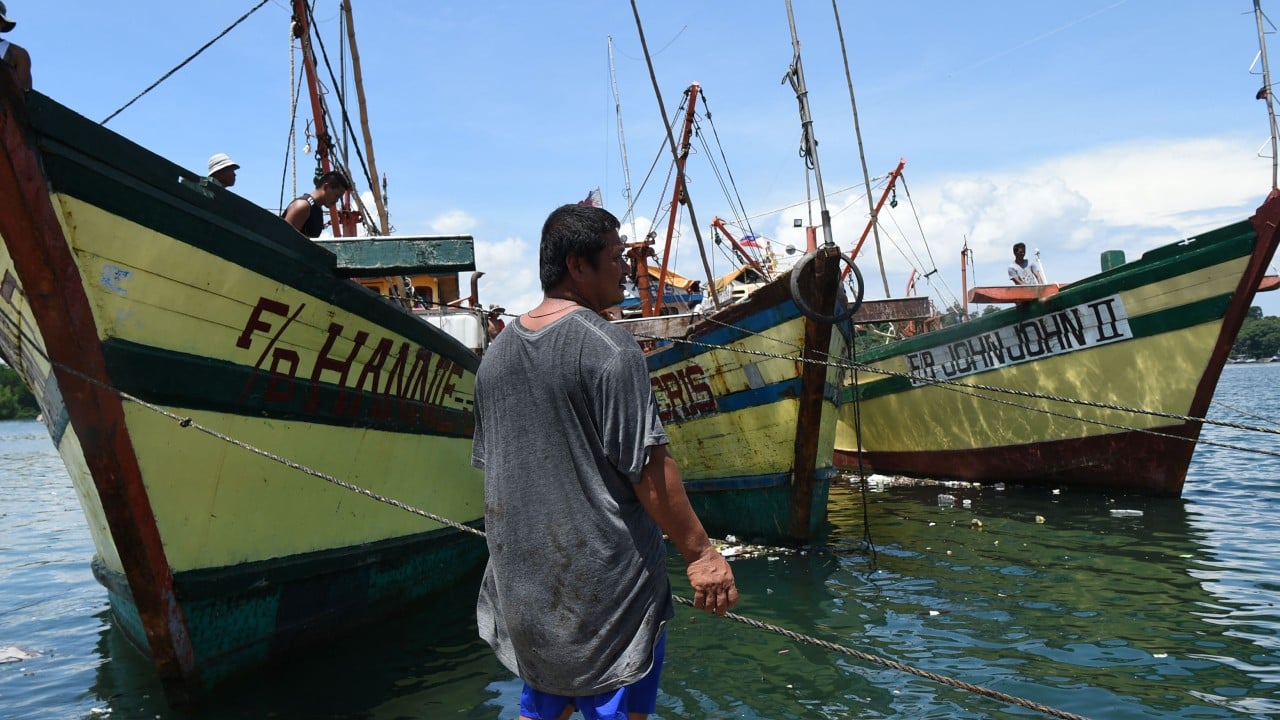
Filipino fishers count the cost of South China Sea dispute
Translate

For fishermen like Joey Marabe in the Philippine province of Zambales, the geopolitical contest playing out in the South China Sea can be measured in dwindling catches and shrinking incomes, as the presence of Chinese vessels around a contested shoal increasingly limits where they can work.

“It’s a huge drop. Before, a lot of us who could go out to Scarborough Shoal used to bring home around 15,000 pesos (US$238) a week, a comfortable amount for our families,” said Marabe, a resident of Masinloc town and provincial coordinator for the national fisherfolk federation Pamalakaya.

“But now, since we’ve been restricted from going out that far, and we’re limited to our own nearer waters … we’re down to 600 to 700 [pesos], struggling hard just for one day.”

The decline in earnings has coincided with rising fuel and operational costs, piling further pressure on fishermen who say they are being pushed into overcrowded waters closer to shore.

View the original on South China Morning Post

KioskNews shows a cleaned-up reading view extracted from the publisher’s page — the original always lives on their site, not ours.