What to look forward to as Hong Kong’s ‘Symphony of Lights’ takes its final bow
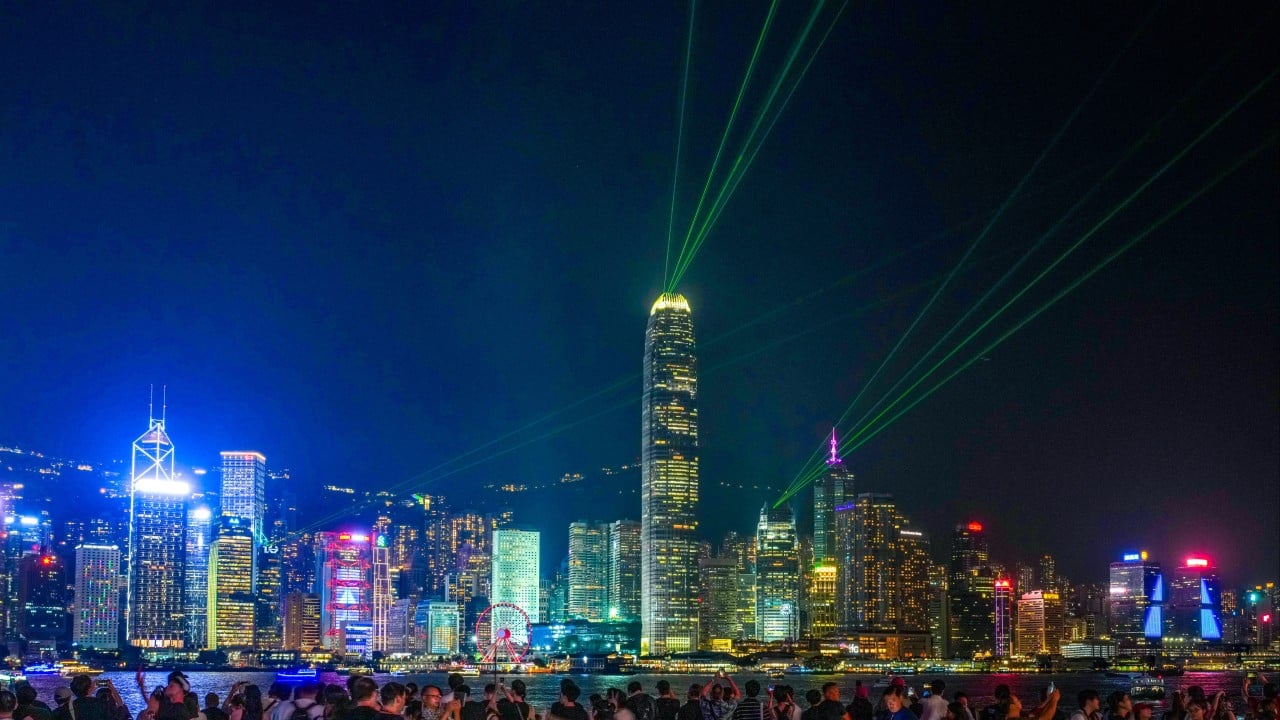
Hong Kong’s “A Symphony of Lights”, launched in 2004 as the city sought to revive tourism after the Sars outbreak, will take its final bow on November 18, 2026 after 22 years of illuminating Victoria Harbour.
The nightly spectacle will give way to seasonal light shows across different districts as authorities seek to refresh the city’s tourism offerings. But the transition has already hit a snag after a planned lighting attraction at The Peak was scrapped following public opposition over its impact on the natural surroundings.
The South China Morning Post explains why the curtain is coming down on the harbour show, what will replace it and what went wrong with the Peak project.
What is A Symphony of Lights, and when will it end?
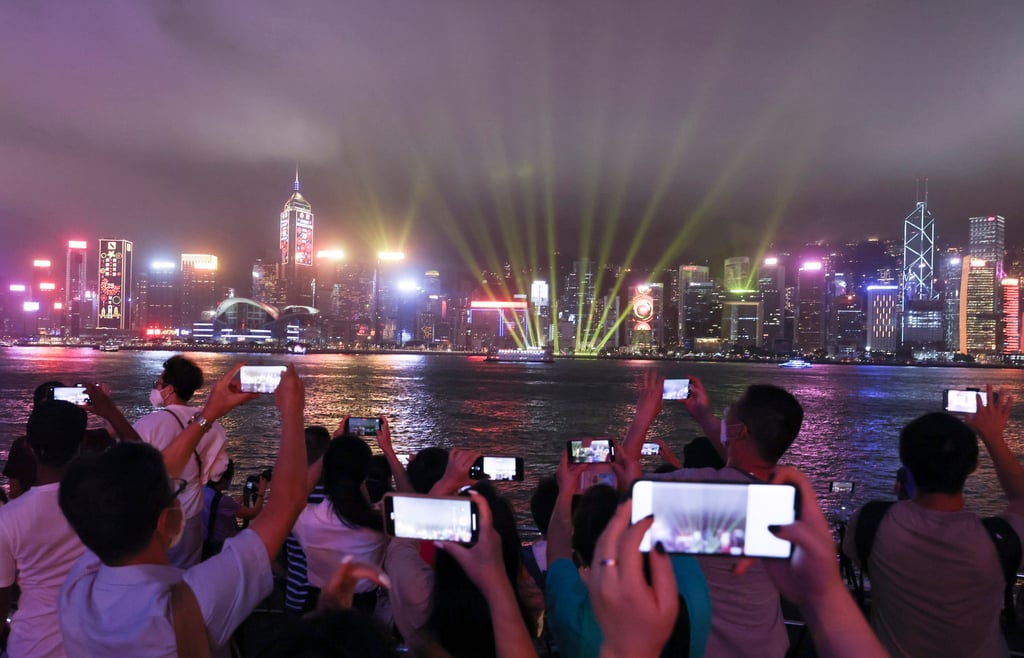
“A Symphony of Lights” is a nightly, synchronised light, laser and music show using buildings along Victoria Harbour as its stage.
Launched on January 17, 2004, as Hong Kong was rebuilding its tourism industry after the Sars outbreak, it initially featured 18 waterfront buildings on Hong Kong Island.
The attraction was expanded to both sides of the harbour and was recognised by Guinness World Records in 2005 as the world’s “largest permanent light and sound show”.
Its final performance will take place at 8pm on next Wednesday, with special pyrotechnic effects marking the farewell.
Why is Hong Kong switching it off?
Authorities are shifting from a permanent nightly harbour spectacle to seasonal light shows with different themes and locations.
Announcing the change in February’s budget, Financial Secretary Paul Chan Mo-po said the Tourism Board would build on the success of the previous year’s immersive light show in Central, which featured projections on buildings during the Christmas and New Year period.
A source familiar with the plans told the SCMP at the time: “The harbour is already very bright and beautiful nowadays, so it was decided we should go in a different direction.”
Tourism representatives have also questioned how much the existing show adds to the city’s appeal.
Leung Fong-yuen, an adviser to the Hong Kong Tourism Industry Employees General Union, said it was not a major reason for tourists to visit, although it offered an additional surprise against the harbour backdrop.
Lawmaker Perry Yiu Pak-leung said seasonal themes could keep displays fresh, while different locations could create opportunities for neighbourhood businesses.
How long has the replacement been in the works?
Plans to overhaul the attraction date back to at least the February 2024 budget.
Authorities earmarked HK$354 million (US$45.4 million) to revamp the show as part of a wider HK$1.09 billion tourism package. A source said at the time that the new version was expected to be unveiled in 2025.
The explicit decision to replace the nightly attraction with light festivals was announced in the February 2026 budget. A source said the overhaul would use residual funds from the earlier allocation.
At a Legislative Council Finance Committee meeting in April, Secretary for Culture, Sports and Tourism Rosanna Law Shuk-pui said that about HK$200 million would be allocated to a new light and shadow programme, of which the subsequently abandoned Peak project was a part.
On November 10, the Tourism Board confirmed the harbour show’s final performance date.
What will replace it?
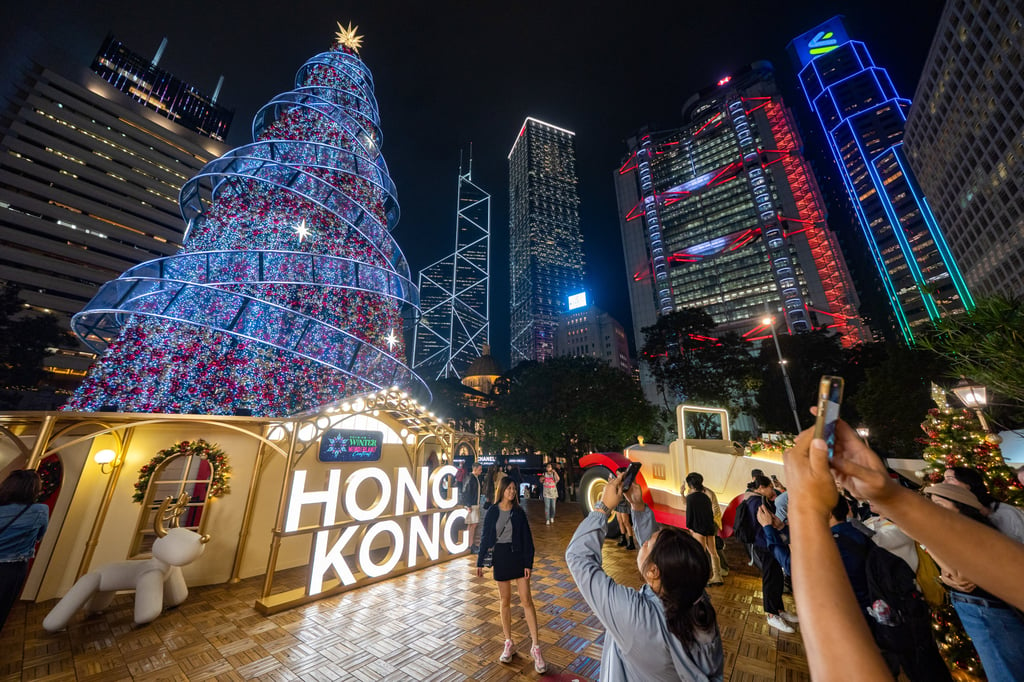
The replacement will comprise light shows at different locations and times of the year, rather than a harbour-wide performance every night.
The first confirmed programme is WinterFest, which runs from November 18 to January 5. This year, the event has been expanded beyond Central to Tsim Sha Tsui and Causeway Bay.
In Central, an eight-act, steam-train-themed show will use nine buildings around Statue Square Gardens as its canvas. Performances will run every 30 minutes from 7pm to 11pm, with extended hours on selected festive dates.
Tsim Sha Tsui will feature Christmas music projections at the Clock Tower and Cultural Centre, alongside aurora-themed displays at the Museum of Art and Space Museum.
The Causeway Bay programme, from November 25 to January 3, will include elf-themed projections on buildings along Lan Fong Road and Pak Sha Road, an outdoor bar, markets and workshops.
Tourism Board chairman Peter Lam Kin-ngok said other light projects would be introduced progressively next year.
What went wrong with the Peak lighting project?
The lighting project at The Peak was intended as a nighttime attraction along the Lugard Road and Harlech Road walking trail.
But residents criticised the equipment as an eyesore and raised concerns about light pollution and damage to vegetation. Tree expert Jim Chi-yung described the project as a mismatch with its natural setting and warned that lighting attached to trees could harm their growth.
On October 29, authorities scrapped the project and promised to restore the landscape. Law said the equipment could be used elsewhere.
What will determine whether the new shows succeed?
Tourism representatives have said the displays should encourage visitors to spend time and money in surrounding neighbourhoods.
“Don’t simply attract tourists to come, take a look, marvel at it together and then leave,” Leung said. “Without any subsequent boost to the economy, it has little meaning.”
Yiu called for closer cooperation with businesses and suggested directing resources to quieter commercial areas, such as Tsim Sha Tsui East.
There is also a trade-off in replacing a dependable nightly attraction with seasonal events. Leung said shows that were not held every day would be harder for travel agencies to incorporate into itineraries, although she supported experimenting as more visitors travelled independently or in small groups.
KioskNews shows a cleaned-up reading view extracted from the publisher’s page — the original always lives on their site, not ours.