Left paralysed after crash, Hong Kong Keeta rider caught in insurance limbo
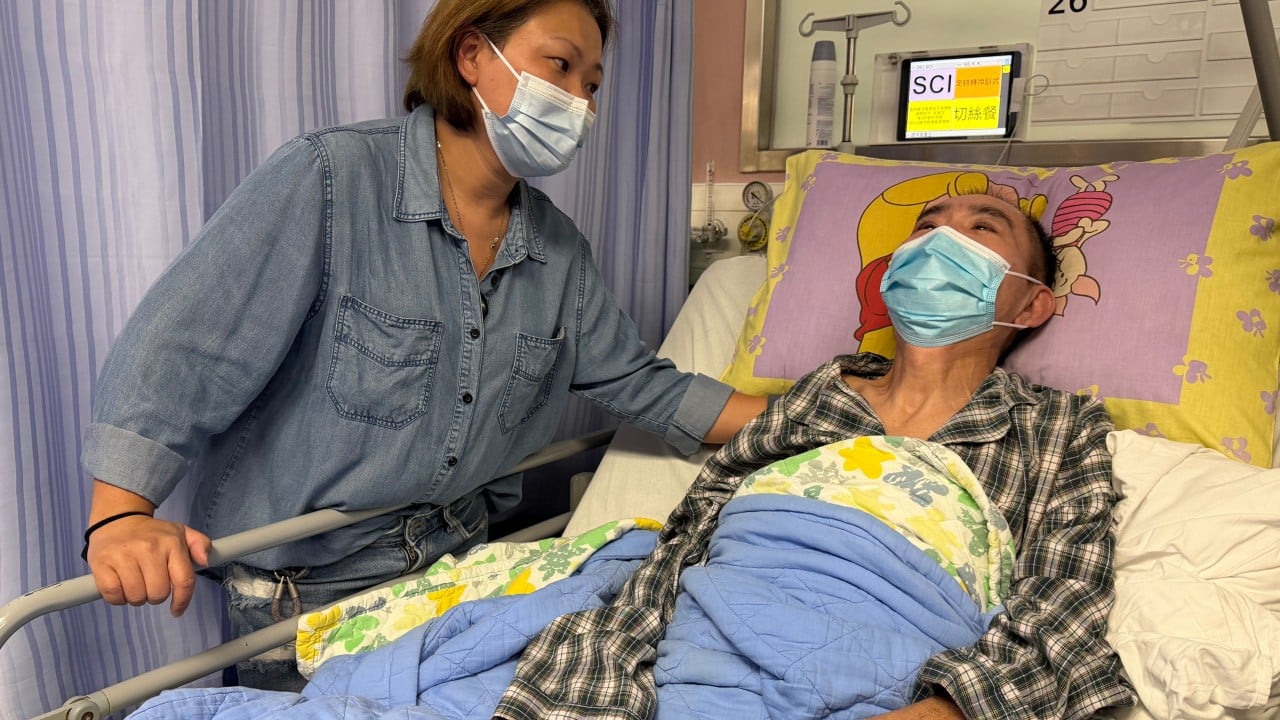
After a traffic accident on a delivery run for Keeta left courier Joe* paralysed, his world has shrunk to the view of the ceiling above his hospital bed in Hong Kong.
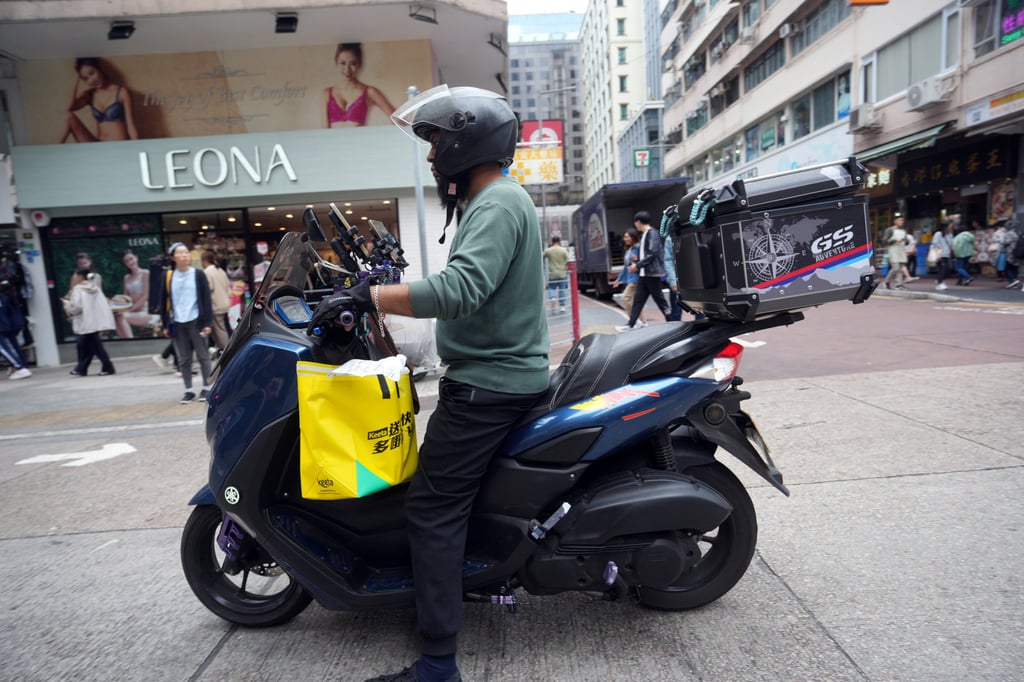
The tragedy took place in May when the 54-year-old motorcyclist was momentarily distracted on the road by a notification from the Keeta app reminding him to accept an order, and he collided with a car in front.
Despite undergoing major surgery, Joe sustained irreversible neck injuries that left his body and limbs paralysed, although he is able to speak.
In his fifth month in hospital, Joe said there had been no progress in his insurance claims submitted to Keeta and not a single representative from the company had followed up on the case.
He relies on full-time care at the public hospital, with a physiotherapist coming in for a daily check-up. He also has difficulty swallowing, which affects his speech.
“My body feels numb, I can’t engage [my muscles] to move,” he said with a stutter.
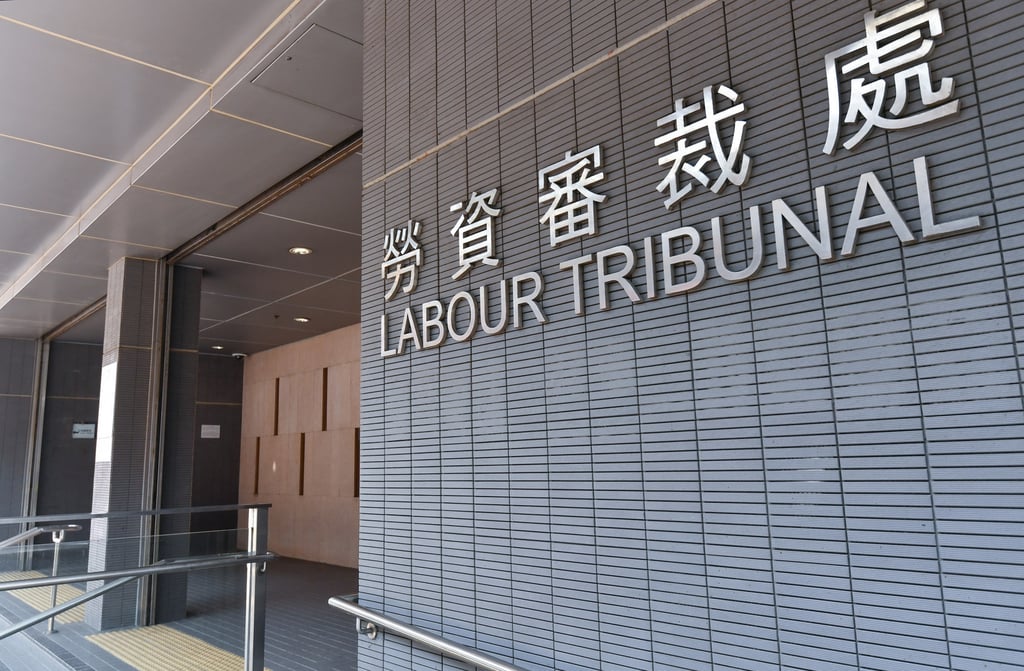
Joe’s case exemplifies a familiar plight faced by Hong Kong’s delivery platform workers. They are classified as self-employed, despite a ruling from the Labour Tribunal in 2023 establishing an employment relationship between couriers and platforms.
Under Hong Kong labour law, in cases of permanent total incapacity, employees between the ages of 40 and 55 are entitled to compensation of at least 72 months’ earnings, or a minimum payout of HK$584,220 (US$74,440).
The Employees’ Compensation Ordinance also stipulates that the employer is responsible for medical expenses, including covering inpatient treatment at up to HK$500 a day.
The Labour and Welfare Bureau released a Legislative Council paper in July proposing that food and goods delivery workers be entitled to compensation for injuries or death sustained while doing work secured through platforms.
Until such legislation is enacted, delivery workers remain entirely dependent on commercial group insurance policies arranged by platforms.
Before switching to Keeta in 2023, Joe had worked full-time as a pizza delivery man. According to his wife, who asked to be identified only by her first name Yee, he earned up to HK$30,000 a month and worked almost every day. They have a daughter in her twenties who works overseas.
Replying to questions from the South China Morning Post, Keeta said it had contacted Joe’s relatives and sent regards.
“The claim has been submitted to the insurance company and is being processed,” the platform said. “Keeta’s operations team is maintaining close contact with the family to offer appropriate support.”
It confirmed that Joe’s situation fell within the scope of work-related coverage and that the insurance plan covered the courier’s commute time an hour before going online and an hour after logging off.
Under the plan, the maximum compensation for permanent disability is HK$1 million.
The SCMP learned that the insurance company was still awaiting Joe’s complete medical report before processing his claims.
Justine Lam, programme officer of the Hong Kong Christian Industrial Committee, which advocates for workers’ rights, said the insurer had failed to set a time frame for the handling of claims, and that victims had to wait a long time for reimbursements while paying their medical bills out of pocket.
She added that the platform also did not monitor or follow up on the process.
Joe’s wife said she visited him every day in hospital after work and spent one or two hours with him. Yee, who works in the procurement business, said her husband was worried that his condition would worsen.
“Every day when I walk into the ward, I never know how he will react,” she said.
“I vividly remember him being in constant, agonising pain in the earlier stage, and later on suffering from frequent spasms and severe confusion.”
Yee said on good days, her husband showed her how he could move his fingertips and slowly turn his left ankle. But when things were rough, all she could do was massage him to ease his pain.
During visits, she fed her husband soft meals such as congee, which she described as tasteless. To add some flavour to the blandness, she brought savoury snacks, and added pork floss and fish sausage to the congee.
The most pressing issue was finding a care home for her husband, where he would be transferred after he was discharged.
Yee said she avoided overthinking and lived each day with the attitude of “taking things as they come”.
“Once he told me that he was scared that I would stop visiting him one day … or that the day would be our last,” she said.
KioskNews shows a cleaned-up reading view extracted from the publisher’s page — the original always lives on their site, not ours.