Revised law to maintain Japan’s imperial family size takes effect
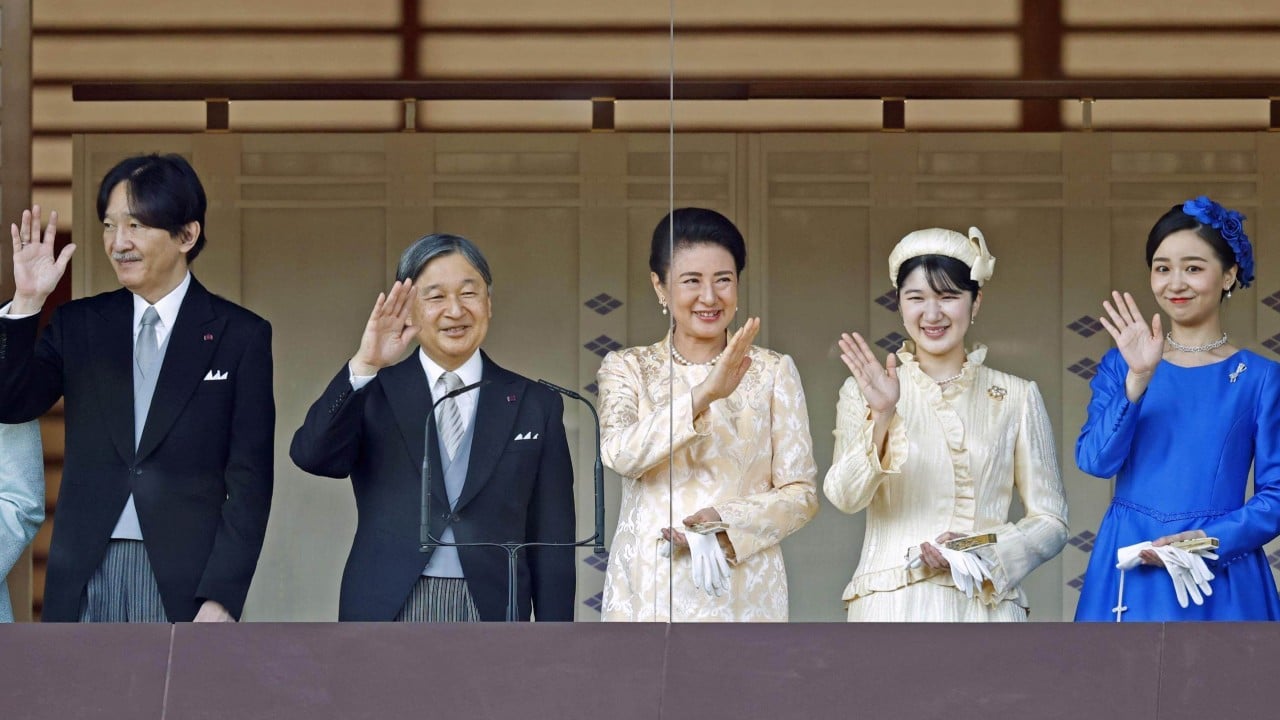
A revised Imperial House Law took effect on Saturday to address Japan’s shrinking imperial family while retaining the traditional male-only succession system despite public support for female emperors.
The legislation, enacted in July in the first major revision of the 1947 law, allows the imperial family to adopt males aged 15 or older from 11 former imperial branch families who are descended from emperors through the male line.
The revised law also allows female members to retain their imperial status after marrying commoners, reversing a requirement that they leave the imperial family upon marriage.
While adopted members themselves are barred from becoming emperor, their male descendants are eligible to ascend the Chrysanthemum Throne. The revised law, however, does not address the possibility of female emperors or succession through the maternal line.
Only males descended from emperors through the paternal line remain eligible to ascend the throne, a tradition conservatives such as Prime Minister Sanae Takaichi are determined to preserve despite the declining number of eligible successors and imperial family members.
The revised imperial system will be reviewed every 30 years if necessary.
The revision bill was drafted based on a proposal compiled by the speakers and vice-speakers of both houses of parliament after consulting all 13 parliamentary parties and groups.
Although the cross-party talks focused on maintaining the size of the imperial family, the bill introduced provisions not included in the original proposal, including succession rights for male descendants of adoptees, prompting criticism from some opposition parties.
Revising the Imperial House Law was part of the coalition agreement signed in October last year by the Liberal Democratic Party, led by Takaichi, Japan’s first female prime minister, and its junior partner, the Japan Innovation Party.
Opposition parties also criticised the conservative ruling bloc for holding only about eight hours of parliamentary deliberations on the revision.
Imperial succession remains a pressing but divisive issue, with Japan having only three male heirs to the throne – Emperor Naruhito’s younger brother Crown Prince Fumihito, 60, Fumihito’s son Prince Hisahito, 20, and the emperor’s uncle Prince Hitachi, 90.
Emperor Naruhito, 66, and Empress Masako, 62, have only one child, Princess Aiko, 24, who is ineligible for the throne despite her popularity.
Japan’s hereditary monarchy is said to date back more than 2,600 years, although the existence of some early emperors is disputed. Several women have occupied the throne, but succession has traditionally followed the male line.
KioskNews shows a cleaned-up reading view extracted from the publisher’s page — the original always lives on their site, not ours.