How the Philippines’ energy crisis is opening doors for deeper US military ties
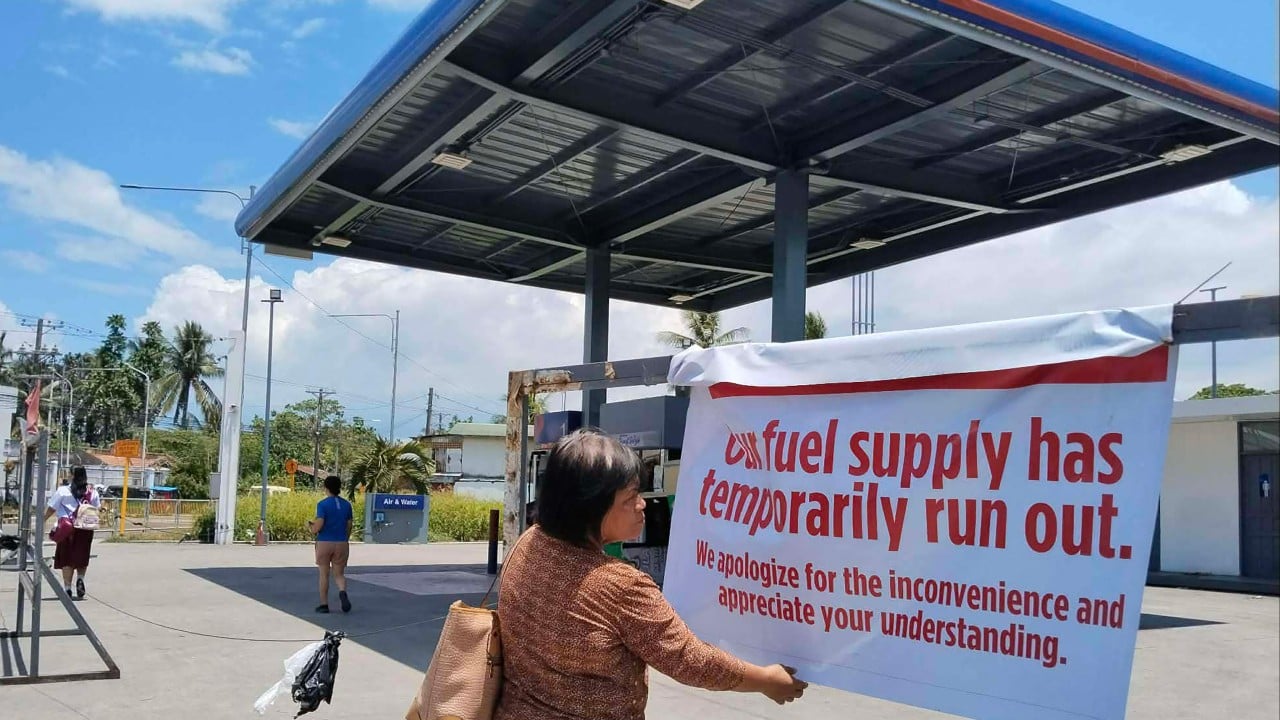
The Philippines is turning to the United States to build its oil stockpile amid the global energy crunch, with observers saying the move could also serve Washington’s military interests and deepen strategic ties.
A bilateral deal could deliver more immediate benefits than a broader Asean stockpile, which would entail coordination hurdles, analysts said, but questions remain over how quickly Manila could establish such a reserve and whether it would meaningfully reduce long-term dependence on imported fossil fuels.
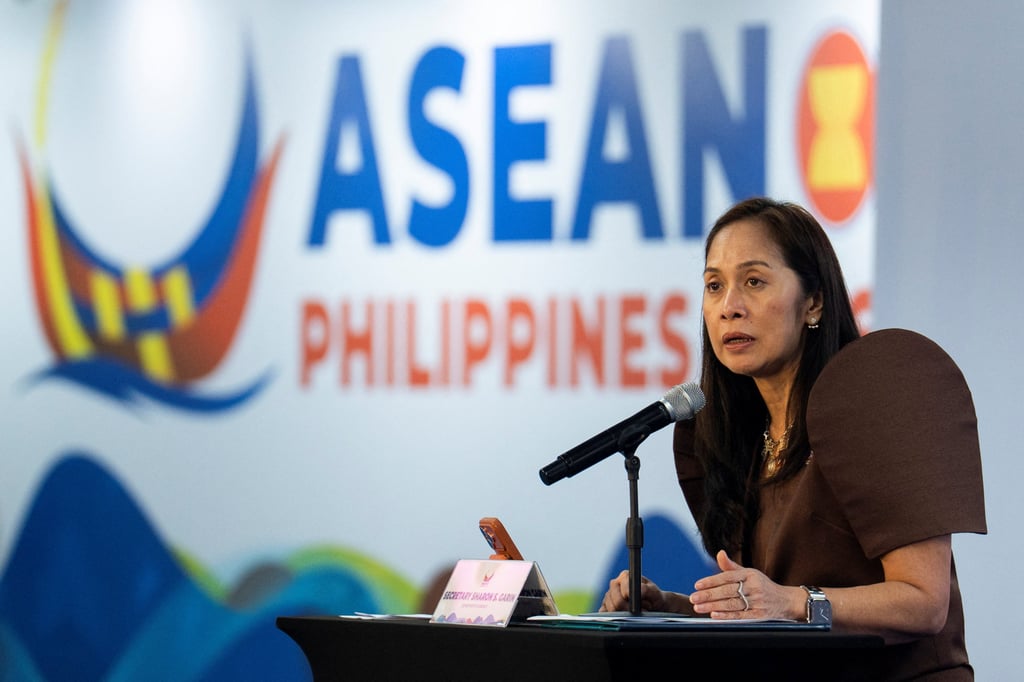
The Philippines’ Department of Energy Secretary Sharon Garin met her US counterpart, Chris Wright, in Washington on October 15 to discuss cooperation. Her department said in a statement the talks intended “to explore expanded bilateral cooperation aimed at strengthening the Philippines’ energy security, diversifying energy supply and advancing the development of indigenous resources”.
As a net oil importer, the Philippines is among the Southeast Asian nations hardest hit by the global energy crisis. Over 95 per cent of its crude oil is imported from the Middle East, according to government data.
Garin said Manila’s priority was to ensure “a secure, reliable and affordable energy supply for Filipino families and businesses”. The Philippines currently has no government-owned strategic petroleum reserve and plans to build one by 2027 or 2028.
John Paul Flaminiano, a Manila-based economist and research consultant, said a successful agreement would offer “hedging against severe oil price fluctuations and maritime disruptions”.
“The US is the largest producer of crude oil and has significant influence in the global oil market. The Philippines already has deep bilateral ties with the US, even more so than some of its Asean neighbours,” Flaminiano said, referring to the 11-member Association of Southeast Asian Nations.
“So although regional cooperation is ideal, the mechanisms to yield near-term benefits that can immediately address supply shocks are still being established.”
Such a deal would reinforce bilateral ties between the Philippines and the US, while “positive spillover effects can also be expected from improved, shared technical expertise”, he added.
Bilateral convenience
The American presence in the Philippines would also be strengthened by a fuel stockpile deal, said Santiago Castillo, a Manila-based defence and security analyst at FACTS Asia.
The US could help construct and set up reliable fuel storage and distribution facilities, as well as help with fuel refining, Castillo said.
This arrangement was likely to yield significant benefits for both sides, he added. “For the Philippines, additional stocks of petroleum can lessen the shocks of fuel supply imported from the Middle East due to ongoing conflicts there. For the US, additional available fuel supplies improve the sustainment capacity for its forces that are stationed or operating in the country.”
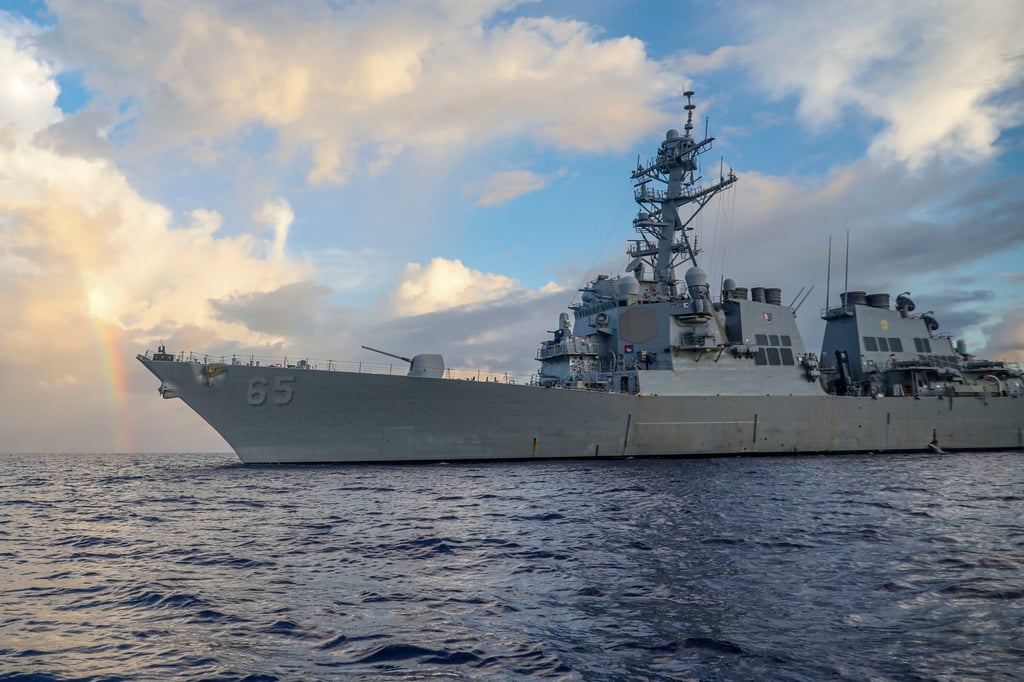
A petroleum stockpile deal with the US would require less consultation and coordination due to the bilateral nature of the relationship, Castillo said.
“Their formal alliance mechanisms further justify deeper strategic and economic partnerships for their mutual benefit. In addition, the US has a surplus of fuel stocks that it keeps for strategic purposes,” he added.
“For Asean, it would be more complicated in addressing fuel stockpiles since not all Asean member states produce enough – or are even unable to produce – petroleum to provide among themselves,” Castillo said, adding that while Malaysia, Indonesia, Brunei and Thailand were the region’s main producers, their main focus was on local consumption.
Castillo added that part of the support Washington was willing to provide Manila hinged on urging its partner to help shore up economic security, while signalling that Washington remained a reliable partner.
“Nevertheless, this also comes with a background of unease as the world watches how US President Trump conducts himself in a manner that tests the resolve of both allies and adversaries,” he said.
Chester Cabalza, president and CEO of the Manila-based think tank International Development and Security Cooperation, pointed to the Philippines’ strategic location as a key advantage for closer cooperation with Washington.
“The battle of geoeconomic survival lies in strategic petroleum reserves. The crash course lesson in the Strait of Hormuz redefined the naval and tonal movements of major powers as Washington initiates a clearer grand strategy in the Indo-Pacific,” Cabalza said, adding that the country had untapped energy sources from Palawan to Sulu that could offer bright promise for national energy security.
But how quickly Manila could benefit from a US-backed stockpile remained uncertain, given that the country only had a single refinery, Castillo said.
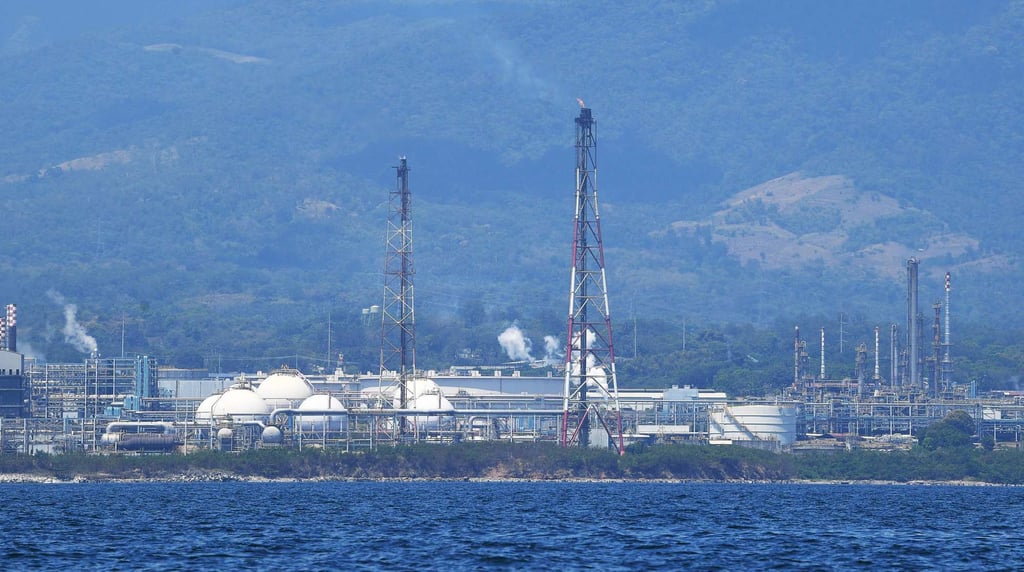
“In the short term, the Philippines could harness its rich deposits of liquefied natural gas to provide for the energy needs of local consumers on certain products and services while trying to mitigate the consumption of petroleum,” Castillo said. In the long run, he added, there should be a strong push and incentives for alternative and renewable energy use to lessen household dependence on fossil fuels.
It should also spur the exploration of emerging technologies, such as microgrids, which could provide much-needed energy security to off-grid or remote areas across the Philippines, he added.
Flaminiano shared similar views, adding that any stockpiling effort should work towards gradually decreasing dependence on fossil fuels while transitioning towards more sustainable sources of energy.
“This can be achieved by increasing investment, addressing structural and regulatory bottlenecks and strengthening technical capabilities through partnerships,” he said.
KioskNews shows a cleaned-up reading view extracted from the publisher’s page — the original always lives on their site, not ours.