The 5 Greatest Rock Albums of the 21st Century

Audrey Connelly is a writer living and working in Boston, MA. Music is and has always been one of the most important parts of her life. While rock & roll is her true love, Audrey's taste runs the gamut. Deep cuts, overplayed Billboard Hot 100 hits, trip hop, reggae, musical theater. It's all fair game. However, if she's being totally honest, she is not a huge fan of (most) country music, but she is (mostly) willing to give anything a listen or two.
She has previously contributed to Atwood Magazine and has brought her passion for writing and music – specifically classic and alternative rock – to Collider.
It is often argued that rock and roll is dead – but that is simply not the truth. Granted, the genre inarguably peaked a few decades ago, but perhaps we are moving into a rock and roll renaissance; a reimagining of everything we know and love about classic rock. There has been so much great rock (or often rock-adjacent, if we’re being completely honest) music that has been released in the last twenty-six years – it would be a pity to write it off simply because the older stuff is so blindingly incredible. Here are the best rock albums released since the year 2000 — from familiar names and faces to the fresh blood of the genre.
5 'White Blood Cells' by The White Stripes (2001)
Detroit-based rock duo The White Stripes started out as a blues act (as so many rock bands do.) With the release of their third studio album, White Blood Cells, they have moved onto stripped-down garage rock. The album was recorded over three days in Memphis, Tennessee. They capitalized on their limited budget and timeframe, intentionally rushing decisions and recording sessions to keep the music feeling chaotic and raw. They were heavily inspired by The Beatles, and strove to capture the simple, classic rock and roll feel.
Guitarist/vocalist Jack White and drummer Meg White had been through divorce the previous year, but they were still working and performing as a duo. They chose not to make their split public, as to avoid influencing listeners before the release of their album. Of course, the press got a hold of the information and published it for all to see. Both Meg and Jack were upset – they did not want people viewing their music through the lens of divorce. The lyrics explore the duo’s disillusionment with the music industry and fame, as well as themes of love, hope, and betrayal. White Blood Cells includes the band’s most recognizable (and best) song: “We’re Going to Be Friends.”
4 'Vampire Weekend' by Vampire Weekend (2008)
Vampire Weekend, named after a short film made by frontman Ezra Koenig in college, formed at Columbia University in 2006. The group bonded over a shared love of African music, a passion that shines through in their music. Their self-titled debut album blends rock, indie folk, and Afropop, creating a jaunty, fast-paced, and breezy record. Their fresh sound is buoyed by tight production and myriad academic allusions. The lyrics are packed with New York and New England imagery, exploring the privilege that comes with higher education and being a bunch of well-off white dudes.
Some of the most popular tracks off the album are “A-Punk,” "Oxford Comma,” and “Cape Cod Kwassa-Kwassa.” (Notice the Oxford comma right after “Oxford Comma”?? So satisfying.) Each of these songs has a driving groove, featuring quirky and clever lyrics throughout. While this is surely not the deepest album of all time, it represents a lighter, more fun side of rock-inspired music.
3 'Getting Killed' by Geese (2025)
Geese is the biggest name in the alt-rock scene these days. They released their fourth studio album, Getting Killed, in 2025, and have since skyrocketed into fame – much to the band members' surprise (and varying levels of chagrin.) This album is defined by unconventional song structure, repetitive patterns and grooves, and frontman Cameron Winter’s raw, powerful, ever-changing vocals.
Getting Killed was shaped by jam sessions and improvisations. They showed up to the studio to record with a collection of unfinished pieces, then refined and reworked them in real time. Each song is distinctly different – some are chaotic, abrasive, and loud (“Trinidad”), others are soft and heartbreaking (“Au Pays du Cocaine”), and others still are settled and melodic (“Cobra”). The tracks are intentionally imperfect and brimming with character and emotion. Getting Killed is up for Best Alternative Music Album at the 2027 Grammys, as well as four other awards for various songs and performances off the album. The members of Geese are young, rising stars in the alternative scene. Will they be able to maintain such a high caliber of work moving forward? Here's hoping.
2 'In Rainbows' by Radiohead (2007)
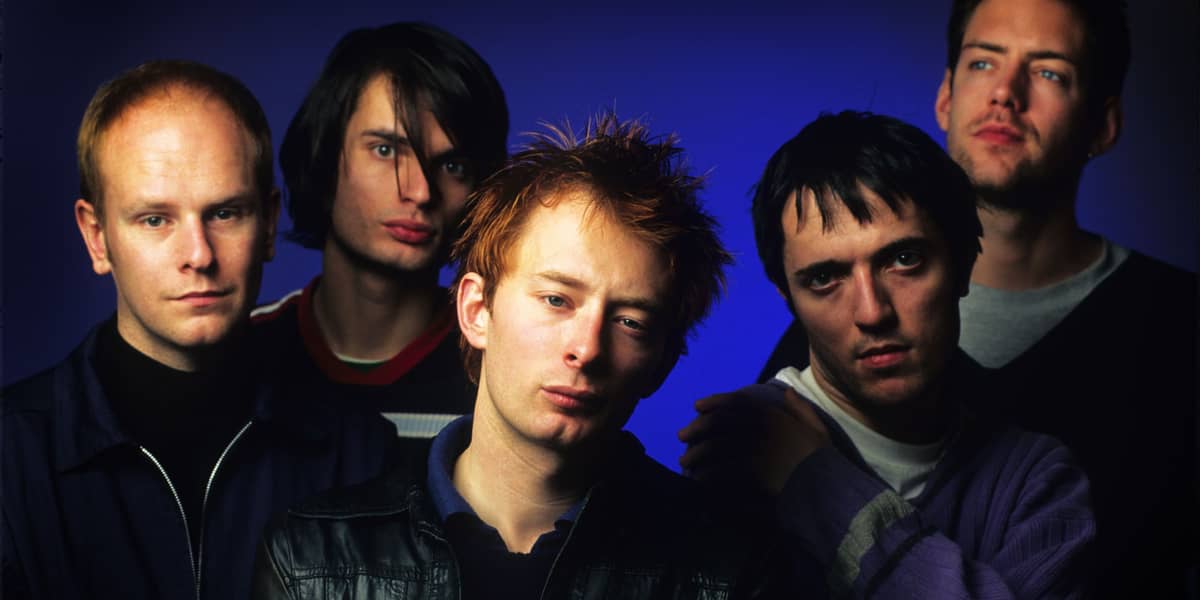
In Rainbows is the seventh studio album by the British experimental rock legends Radiohead. The record features personal, intimate lyrics aimed to capture the human experience. With no political agenda and markedly less anger than their previous work, this album is a foray into new and unexplored territory. In Rainbows is expansive yet intimate, beautifully lush yet melancholic – the hallmarks of an art rock album well done.
In Rainbows was the best-selling vinyl record of 2008. They released it on their website with no prior publicity and let fans set their own price upon purchase. This was an unprecedented and controversial move, but it was ultimately successful – the record sold like crazy, and word of mouth gave them all the publicity they could want. The album’s singles, “Jigsaw Falling into Place” and “Nude,” were equally successful in their own right.
1 'Blackstar' by David Bowie (2016)
Blackstar is David Bowie’s 26th and final studio album. It was released in 2016 on Bowie’s 69th birthday – he passed away only two days later. He had been privately battling cancer for a year and a half, and his death was a shock to fans worldwide. Blackstar is believed to hint at his impending demise, featuring references to death and mortality throughout the tracklist. Many consider this album to be a farewell to the world. While this may very well be true, Bowie did not intend for Blackstar to be his final record. While he knew that his illness was terminal, he called his producer just a few days before his death with an idea for his next album.
Bowie never explained exactly what Blackstar meant to him. The ambiguity allows listeners to make their own connections and assumptions. It is safe to assume the album is a meditation on the fragility and ephemerality of life, at least in part. Bowie was influenced by traditional jazz and Kendrick Lamar’s hip-hop fusion album To Pimp a Butterfly. The album is ominous, hypnotic, and fleetingly theatrical – not unlike Bowie himself.
KioskNews shows a cleaned-up reading view extracted from the publisher’s page — the original always lives on their site, not ours.