How China made climate resilience part of its economic growth strategy
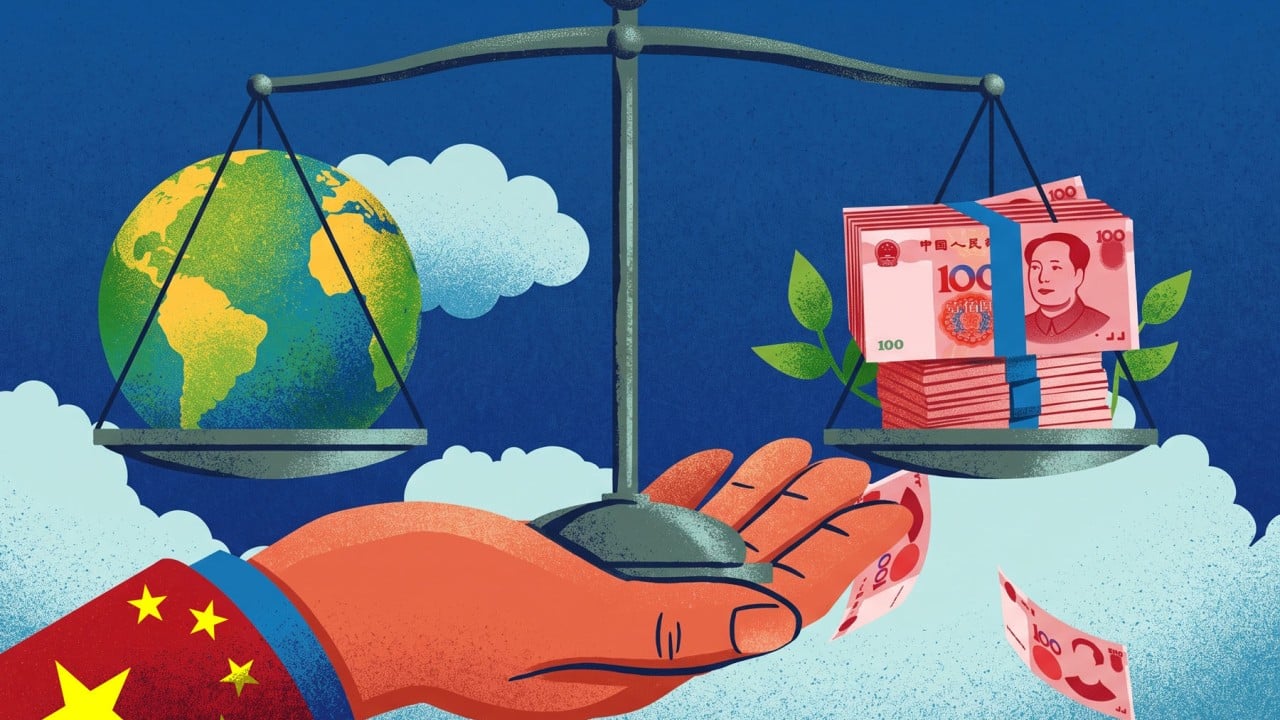
The war in the Middle East has disrupted oil and gas supplies, leaving governments to confront energy pressures as they prepare for next month’s Cop31 UN climate conference in Antalya, Turkey.
The crisis raises an enduring question: how can climate action strengthen the resilience of an economy?
China offers a useful case. Its factories supply technologically advanced products essential to the green transition at competitive prices. China has production cost advantages in electric cars, batteries and equipment for wind and solar power. Behind those products lies a development strategy.
China has increasingly brought climate objectives into industrial policy and development planning. That gives the transition a purpose beyond compliance with international agreements: to protect people’s living environment, modernise production and create sources of growth.
Understanding this matters for countries seeking to combine lower emissions with industrial development.
A study last year by the UN Environment Programme Finance Initiative of China’s green banking system helps explain the connection. National priorities reach businesses through policy directives, investment standards and financial incentives. The lesson is practical: companies need to see where to invest and banks need reasons to finance those investments.

The philosophical foundation is “ecological civilisation”, which places a harmonious relationship between economic activity and the natural environment at the centre of China’s vision of development.
It expresses an ambition to change how growth is achieved, shifting from resource-intensive production towards innovation, advanced technology and higher productivity.
China’s 2021 working guidance on carbon dioxide peaking and carbon neutrality translates that ambition into policy requirements. It calls for climate goals to be incorporated into development plans across sectors and regions. This makes their implementation a responsibility extending well beyond the environmental authorities to officials who shape investment, infrastructure and industrial production.
The 2025 white paper “Carbon Peaking and Carbon Neutrality: China’s Plans and Solutions” further connects climate action with technological progress and economic upgrading. New energy industries can create business opportunities; cleaner production can improve competitiveness. These domestic benefits give firms and local authorities reasons to support the transition alongside China’s international commitments.
A company considering cleaner production needs confidence in demand for its products and access to affordable financing. Industrial and financial policies can help create these conditions, making climate objectives part of business development decisions.
09:10
Can the Middle East war turbocharge China’s global EV ambitions?
Through these policies, China helped create an environment for companies to compete, innovate and improve manufacturing efficiency. China’s accumulated advantages in production and supply chains, reinforced by policy and financial support, are well documented by the International Energy Agency.
SCMP Plus is a new premium news platform that gives you an
all-inclusive edge to stay ahead on China news.
To access our exclusive content you’ll need to subscribe.
Already a subscriber?
LOG IN
China’s 2024 guidelines on accelerating the comprehensive green transition of economic and social development bring together changes in industry and energy with fiscal measures, investment support and greener consumption.
As the UNEP study explains, supervisory measures encourage banks to consider environmental risks while project catalogues identify activities eligible for green finance and guide lending decisions.
The central bank’s Carbon Emission Reduction Facility, launched in 2021, illustrates the link. It provides qualified lenders with low-cost funding equal to 60 per cent of the principal. Its supported fields include clean energy and emissions reduction technology. This gives banks a financing incentive to support projects consistent with national climate goals.
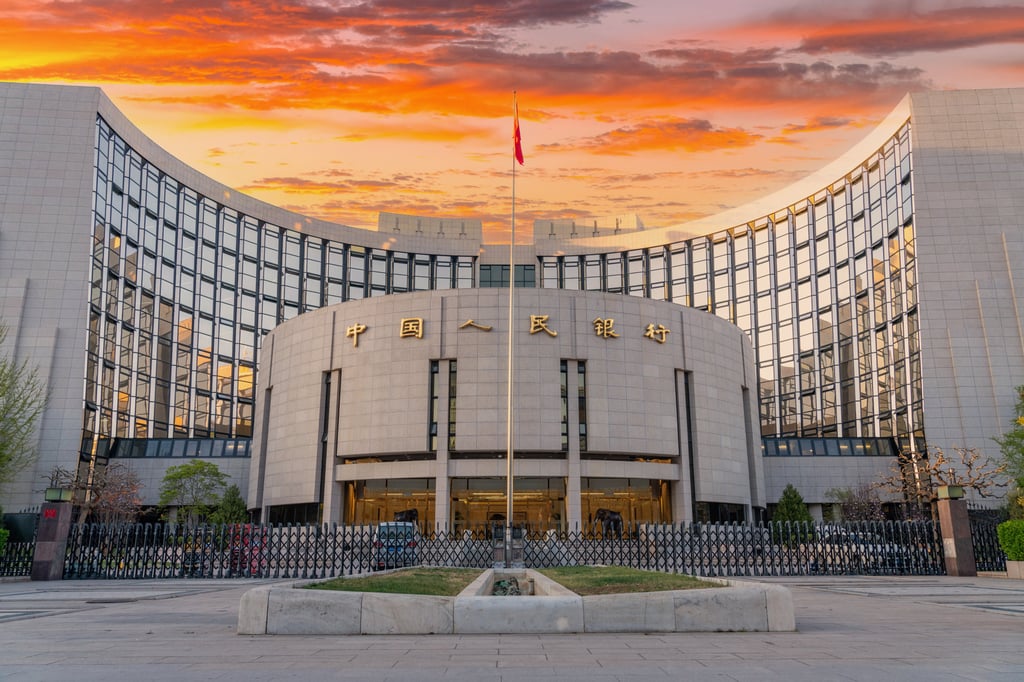
Green finance promotion and environmental risk management reinforce each other. Financing cleaner technologies can help companies reduce their exposure to tighter environmental requirements, while assessing those risks helps banks judge which investments are viable.
Implementation also needs to reflect local economic conditions. China combines national direction with local pilot projects, while paying attention to the pace and sequence of change. Beijing’s official principle of “establishing the new before discarding the old” recognises that replacement capacity must be developed before existing capacity is retired. Reliable energy and continuity of production help make the transition workable for businesses and households.
Steel, cement and chemicals remain essential to economies still industrialising. Their transformation requires investment in different production processes, cleaner energy and more efficient equipment. Restricting finance to activities labelled as green would leave much of that work undone. Financing the transition of these industries must also be tied to measurable progress in reducing emissions. For a steelmaker, the question is whether financing will help replace an emissions-intensive process with a cleaner one, and how the lender will verify that improvement over time.

China has not completed its journey towards a green economy. The 2024 guidelines acknowledge the weight of coal and traditional industries. Success in manufacturing clean technologies must be accompanied by sustained emissions reductions and support for workers and communities affected by industrial change.
Countries wishing to learn from China’s experience will need to make their own institutional choices. A financing mechanism suited to China’s banking system may need a different form elsewhere, reflecting differences in political systems and administrative capacity. What matters is whether climate goals, industrial policy and financial incentives support the same investments, and responsibility for implementation is clear. Adopting a subsidy or a green label in isolation cannot provide that coherence.
Cooperation with China can support this process through affordable equipment and partnerships that develop local skills. Countries can use those opportunities to advance their development priorities, including the capacity to install, operate and maintain new technologies.
At Antalya, governments will debate the ambition of their climate commitments, but their prospects for success will largely depend on decisions taken at home: which industries to develop, which infrastructure to build and how to finance the changes. China’s experience shows how decisions about production and finance shape a country’s ability to act on climate change.
KioskNews shows a cleaned-up reading view extracted from the publisher’s page — the original always lives on their site, not ours.