Iran says Strait of Hormuz will stay closed until U.S. meets 7 conditions
Alones Creative
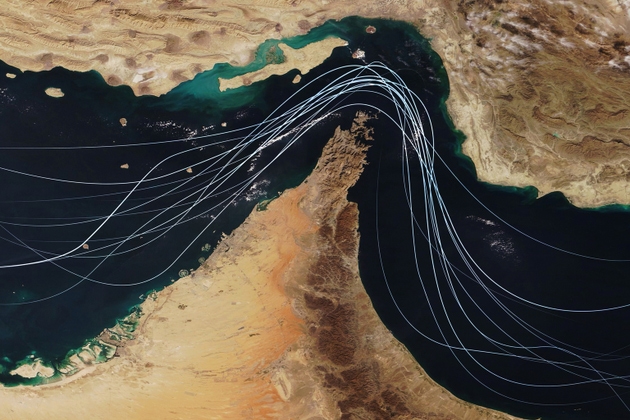
Iran said Sunday it won’t reopen the Strait of Hormuz until the U.S. meets seven conditions outlined in an earlier agreement, underscoring the obstacles to restoring normal shipping through one of the world’s most important energy corridors, Reuters reported.
Iranian parliament speaker and chief negotiator Mohammad Baqer Qalibaf said Tehran remains committed to conditions contained in a June memorandum of understanding with Washington. Iran proposed during the United Nations General Assembly that maritime traffic could resume within seven days if those requirements were satisfied. The U.S. responded last week through Qatari intermediaries.
For investors, the standoff keeps a major geopolitical risk hanging over global energy markets. Before the war that began in February, roughly one-fifth of the world’s oil and liquefied natural gas moved through the Strait of Hormuz. A prolonged closure threatens supplies, shipping costs and inflation, while any diplomatic breakthrough could remove some of the geopolitical premium from oil and LNG prices.
Iranian Foreign Ministry spokesperson Esmaeil Baghaei said Tehran had conveyed its general reaction to the U.S. proposal through mediators but still had additional points to communicate. He said Iran’s immediate priority is restoring security in the strait rather than negotiating its nuclear program.
Baghaei also rejected reports that Iran had offered international inspections of its nuclear facilities in exchange for sanctions relief. An official briefed on the negotiations previously said the proposed seven-day confidence-building plan includes steps involving both Hormuz and Iran’s nuclear program, with the main dispute involving the order in which each side would act.
Qatar has been carrying messages between Washington and Tehran as it tries to end the conflict and restore maritime traffic. A June agreement produced a brief ceasefire and addressed both the strait and Iran’s nuclear program, but those understandings have failed to produce a lasting settlement.
Iranian Foreign Minister Abbas Araqchi said Sunday that Tehran still hopes Washington will pursue diplomacy but warned that Iran is better prepared to respond to another major U.S. military attack. Iranian officials have also signaled that any renewed fighting could bring a stronger retaliation, while an army spokesperson said Sunday that Iran plans to increase the range of its missiles, Reuters reported.
Dear Readers: We recognize that politics often intersect with the financial news of the day, so we invite you to click here to join the separate political discussion.
KioskNews shows a cleaned-up reading view extracted from the publisher’s page — the original always lives on their site, not ours.