8 Movie Trilogies Without a Single Flaw

Michael Block is a 14 time GLAM Award nominated writer, producer, and host of the podcast Block Talk. Throughout his time in the entertainment industry, he has worked on and off Broadway as a stage manager, written several produced plays, critiqued hundreds of theatrical performances, drag and cabaret shows, and has produced events randing from drag competitoons to variety concerts!
On Block Talk, he interviews nightlife personalities, covers the wide world of entertainment through features, ranking episodes, and recaps ALL of Drag Race, as well as Dragula and Survivor. He has interviewed hundreds of RuGirls that span the globe at DragCon NYC, DragCon LA, and DragCon UK.
In his free time, he makes one-of-a-kind jewelry and gift baskets with his mom. He is a proud member of the LGBTQ+ community.
Sign in to your Collider account
When a brilliant movie is released, we leave the theater desperately seeking more. Sometimes, studios hear our pleas and provide a gift of a second film. If a third arrives, then you know it’s something special. Together, these trilogies make cinema history, completing a perfect three-part journey. While there are certainly some trilogies that are made that are not up to snuff, the eight trilogies on this list are presented without flaw.
From science fiction adventures to animated masterpieces, these trilogies are simply perfect. They include incredible storytelling, beloved characters, and a cohesive narrative through line that make them stand the test of time. While there are countless trilogies that are only two-thirds flawless, these eight are all the way great.
1 Back to the Future Trilogy

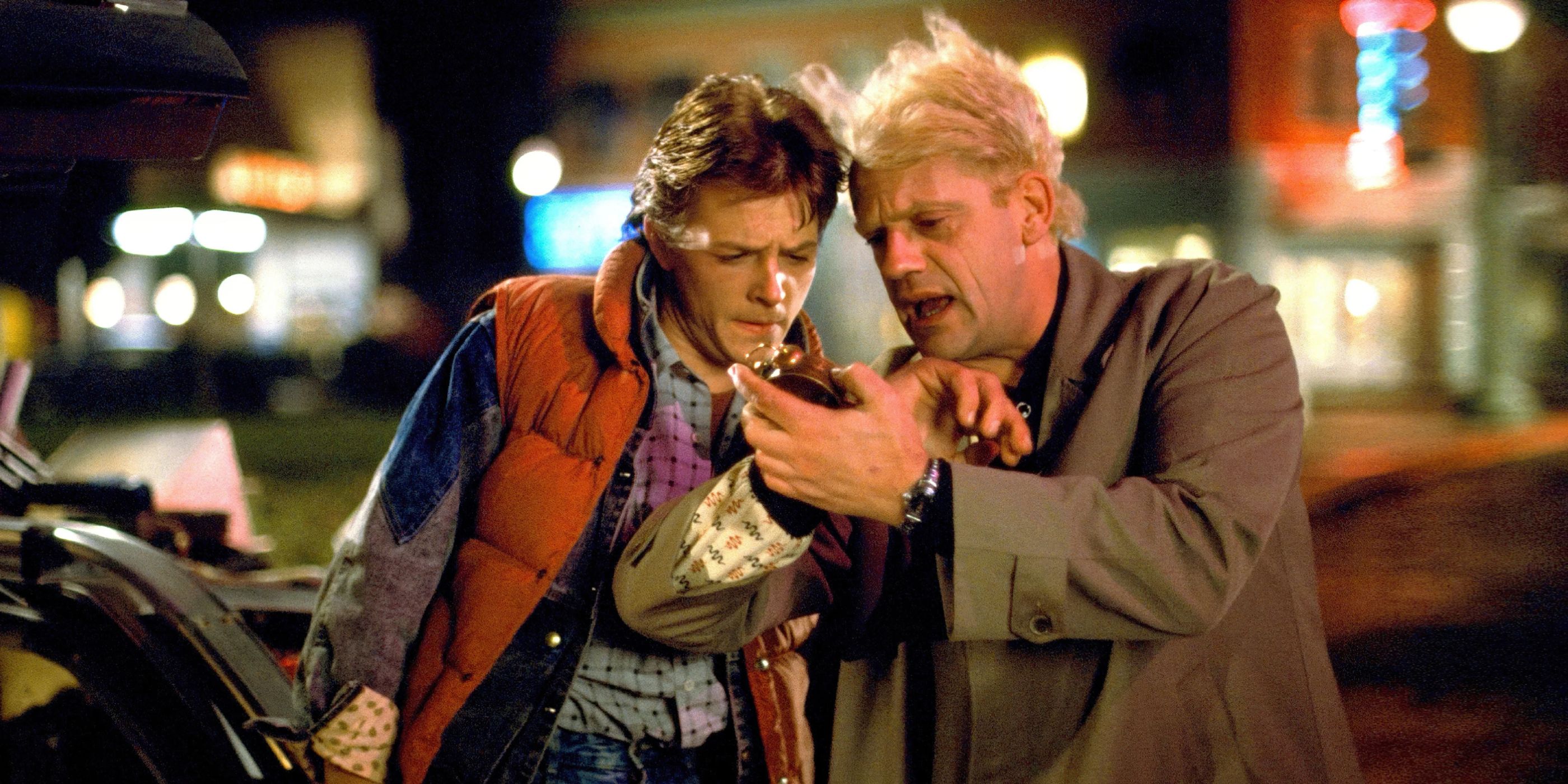
What could have been a kitschy sci-fi film turned into a masterclass in screenwriting and character. Back to the Future epitomizes the evolution of '80s sci-fi adventure storytelling. Created by Robert Zemeckis and Bob Gale, the series follows ambitious teenager Marty McFly (Michael J. Fox) and eccentric scientist Dr. Emmett "Doc" Brown (Christopher Lloyd) as they travel through time in a modified DeLorean. Across the three films, this dynamic duo head back to the past to ensure Marty’s parents fall in love and keep him alive, travel to the future to fix his family, and get stranded in the Wild Wild West circa 1885. With core themes of family, legacy, and the power of friendship, the Back to the Future trilogy creates seamless time-travel rules, with every detail meticulously plotted.
Back to the Future did exactly what it set out to do. By tightly weaving simple, logical time-travel rules with perfect interlocking setup and payoff storytelling across all three films, they serve as a cohesive trilogy that never gets bogged down by unfortunate paradoxes. Through accessible science fiction and universal themes, Back to the Future reaches generations. Rather than rehashing the same structure in the follow-up films, Part II cleverly folds back into the original 1955 timeline, while Part III pivots into an affectionate Western love story and character study for Doc. The personal stakes are profoundly human, making for a heartwarming, exciting adventure from beginning to end. They simply don’t make them like they used to.
2 The Before Trilogy
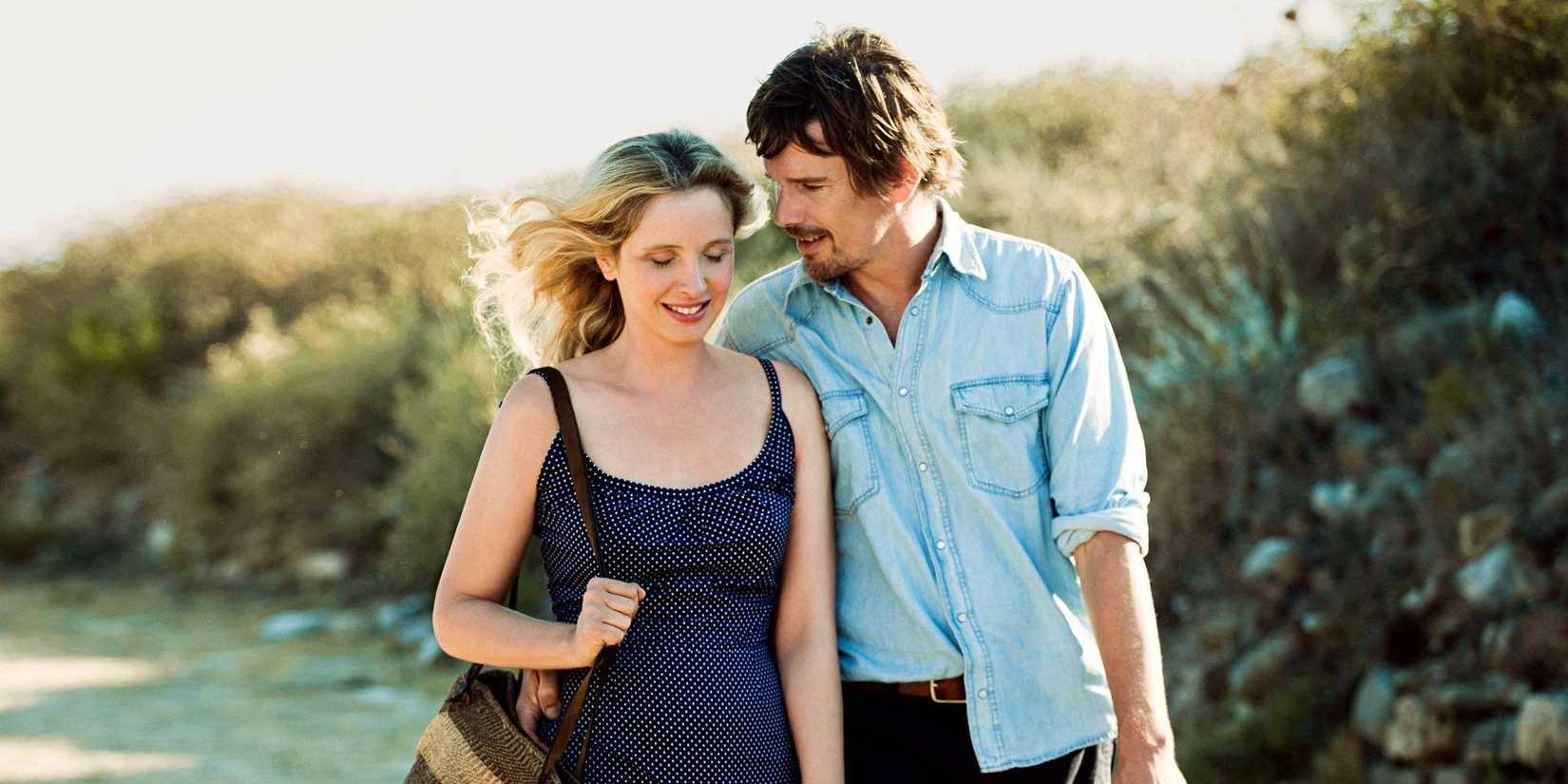
Not every brilliant trilogy has to be mainstream masterpieces. Look no further than Richard Linklater’s Before Trilogy. Co-starring Ethan Hawke and Julie Delpy as American traveler Jesse and French student Céline, the three films chronicle the 18-year evolution of a romantic relationship through long, naturalistic conversations. An honest and realistic portrayal of romance, relationships, aging, and life, the Before trilogy highlights the ups and downs, highs and lows as Jesse and Céline go from romantic happenstance to rekindled romance and ultimately the strife of marriage. Released every nine years, the trilogy includes Before Sunrise, Before Sunset, and Before Midnight.
Linklater achieves the unthinkable: the Before trilogy earns rare acclaim by depicting romance not as a fairy tale, but as an honest, real-time evolution of human connection. By showing the story every nine years, the audience ages alongside the characters, feeling like an intimate part of their journey as a couple. The films are written with such marital authenticity that it feels like you’re eavesdropping on raw, vulnerable conversations. The Before trilogy doesn’t need cinematic scale to achieve greatness. It’s an emotional trilogy that proves the power of human-driven storytelling.
3 The Cornetto Trilogy

Call it the Cornetto trilogy or Three Flavours Cornetto or even the Blood and Ice Cream trilogy, whatever you refer to it by, you know how exceptional the films are. The three British comedies by director Edgar Wright, written by Wright and Simon Pegg, and starring Pegg and Nick Frost do not share the same characters or a continuous plot. Instead, they are linked by recurring cast members, similar themes about growing up, and the specific appearance of a Cornetto ice cream— Shaun of the Dead features a strawberry-flavored Cornetto to represent blood and gore, Hot Fuzz features an original blue-flavored Cornetto to represent the police, and The World’s End features a mint chocolate chip-flavored Cornetto to represent sci-fi and aliens.
Whether you watch in release order or in an order of your choosing, the three films perfectly complement one another. They share sharp genre satire, fast-paced editing, and deep emotional stakes. Whether it’s a zombie apocalypse, a buddy-cop thriller, or an alien invasion horror story, each narrative smuggles in genuine character studies about male friendship and arrested development. The films never slip into parody territory; rather, they genuinely care about the characters and worlds they build. The Pegg and Frost dynamic carries most of the weight, but the recurring stars, including Bill Nighy, Rafe Spall, and Martin Freeman, give audiences a reason to stick with all three films. Beneath the gore and gags, there is extreme depth that elevates the comedies to great heights.
4 The Dark Knight Trilogy
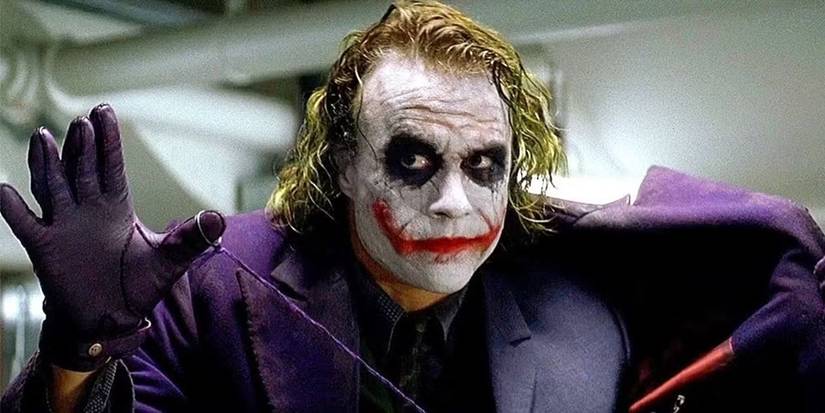
Christopher Nolan and The Dark Knight trilogy forever changed the superhero genre. Revitalizing the Batman story for the 21st century, follows the origin, rise, trials, and eventual retirement of billionaire Bruce Wayne as Batman (Christian Bale). The three films track a young Bruce Wayne who adopts the persona of Batman and battles the League of Shadows, aligns himself with Lieutenant James Gordon (Gary Oldman) and District Attorney Harvey Dent (Aaron Eckhart) to take on the anarchistic criminal mastermind known as The Joker (Heath Ledger), and takes on brutal mercenary Bane (Tom Hardy), who takes Gotham hostage and threatens the city with nuclear destruction.
Treating Batman as a flesh-and-blood human and rooted in raw psychological depth, The Dark Knight Trilogy uses fear as a weapon. The films force the titular character to confront his own mortality, and he must ultimately decide whether Batman should be a permanent symbol or a temporary tool. The films took the comic books as a basis and twisted them into brutal crime thrillers grounded in real-world themes. Unlike open-ended modern franchises, Nolan designed a closed narrative arc that brought Bruce Wayne's personal growth and retirement full circle. It inspired the superhero genre thereafter.
Collider Exclusive · 8 Questions · 2 Minutes Which Iconic Fandom Should You Join? Harry Potter · Lord of the Rings · Star Wars · Star Trek
Eight honest questions about how you actually are: what you put on when you need cheering up, how deep you go into the things you love, what you argue about, what you keep on your shelf. Answer them and we will tell you where you belong. Four of the biggest fandoms on earth are taking new members, and they could not be more different from one another.
⚡Harry Potter(Wizarding World)
💍Lord of the Rings(Middle-earth)
⚔️Star Wars(A Galaxy Far Away)
🖖Star Trek(The Final Frontier)
01
What do you put on when you need cheering up? Nobody is brave about this one.
02
How deep do you go into something you love? There is no shallow end here, only different deep ends.
03
What do you and your friends actually argue about? Every fandom has one argument it has been having for years.
04
How do you feel about a room full of strangers? Every one of these comes with a very big room.
05
Where would you rather spend a week? Pick on instinct rather than on budget.
06
What do you believe about people, mostly? All four of these stories have an answer, and they disagree.
07
What is actually on your shelf? Look over at it before you answer.
08
What do you actually want from a story? Eight questions in, this is the one that picks your fandom.
Membership Confirmed Your Fandom Is…
Four of the largest communities on the planet, and four completely different reasons to belong to one. Here is yours, what it would give you, and the argument you would be having within a week.
Harry Potter
You belong to the fandom that is really about comfort. Hogwarts works on people because it is a place rather than a plot, and the pull is not the wizard war so much as the corridors, the food, the weather and the sense that somebody is expecting you.
- You are drawn to belonging, which is why this fandom sorted itself into houses within about five minutes and has never stopped.
- This is the most social of the four, and the one most likely to know which type every single person in your life would be.
- The books are built to be reread rather than analysed, and rereading is exactly what you do with things you love.
- The new HBO series is bringing the whole thing back one book at a time, which means the arguments are about to start all over again.
Lord of the Rings
You belong to the deepest fandom on this list, the one where somebody has always read further than you and is quietly delighted to say so. Middle-earth rewards patience more than any other world in popular culture.
- You like the sense that the story you are reading is only the visible part of something enormous, which is precisely how Tolkien built it.
- This fandom takes adaptation seriously to a degree that other fandoms find slightly alarming, and it has good reasons for that.
- Your favourite thing about the books is probably the bit that is not action at all, which is the walking, the songs and the long goodbyes.
- Nobody here thinks heroism belongs to the powerful, and the whole story exists to make that argument.
Star Wars
You belong to the loudest and largest tent of the four, the one where three generations are all watching the same thing and none of them agree about any of it. That disagreement is not a flaw in this fandom, it is the main activity.
- You want something you can share with absolutely everybody, from a six year old to a grandparent, and this is the only one on the list that really does that.
- Nobody argues like Star Wars fans argue, and the argument has been running since roughly 1980 with no sign of resolution.
- The pull here is sensory before it is narrative, since it is the sound design, the score and the look of a used and dented galaxy.
- You would be first in the queue, in costume, with strong opinions and a genuinely good time.
Star Trek
You belong to the thinking fandom, the one that turns up for the argument rather than the explosion. Trek has always been a series of ethical problems in space, and the people who love it love being asked what they would have done.
- You are an optimist in a way that is currently unfashionable, and this is the only major franchise still willing to say the future might be better.
- The best episodes are the ones where nobody fires anything, which is a sentence that makes perfect sense to this fandom and to nobody else.
- Starfleet Academy brought the franchise back to a classroom in 2026, which is appropriate, because Trek has always been a bit of a seminar.
- You would want the conversation afterwards more than the episode itself, and here you will always find somebody willing to have it.
5 The Lord of the Rings Trilogy
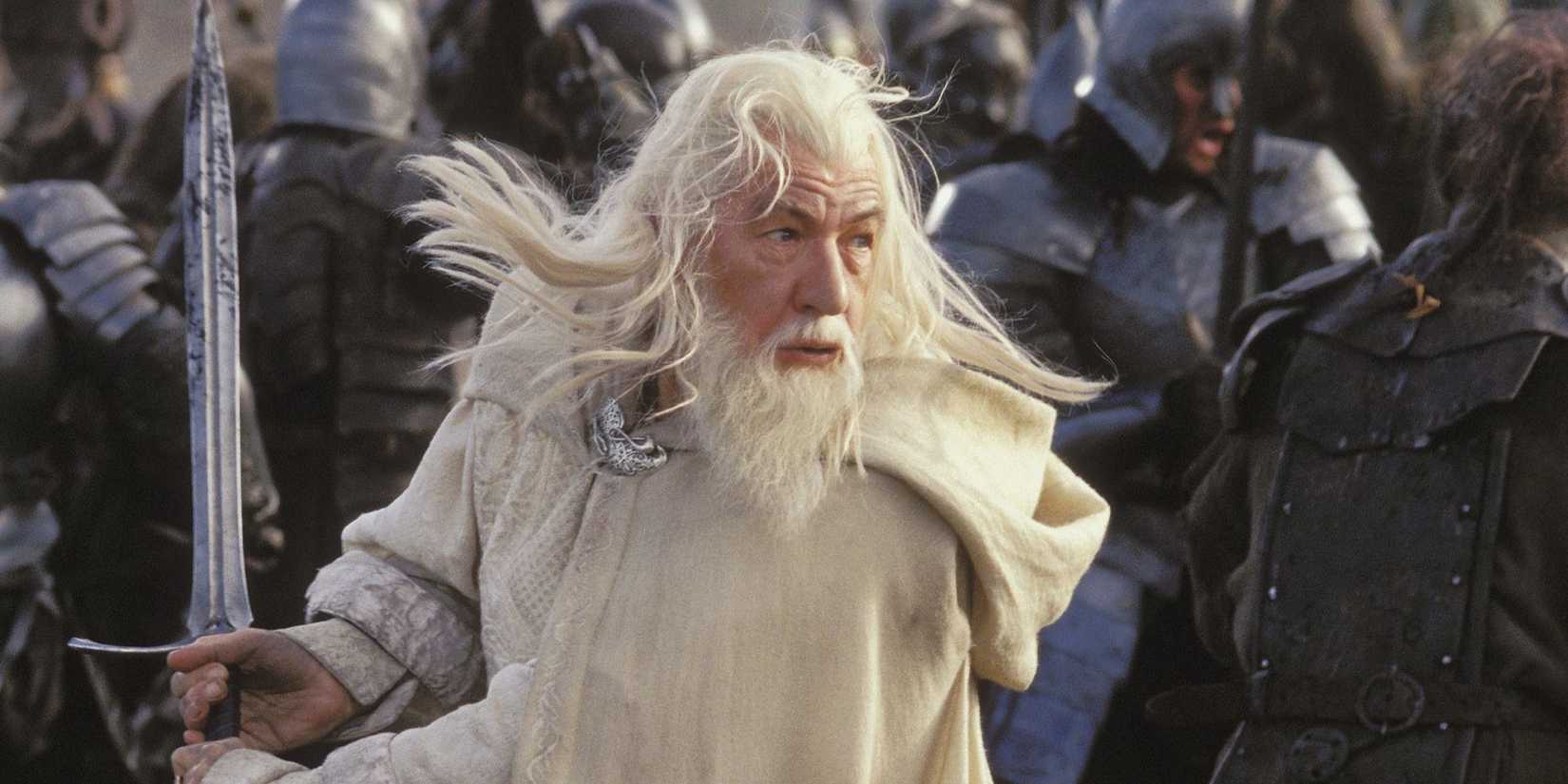
Simply for the massive scale and craftsmanship, there's simply no way to find a flaw in The Lord of the Rings trilogy. Directed by Peter Jackson, the three-part fantasy epic film series expertly lifts J.R.R. Tolkien's sprawling novel. The story follows hobbit Frodo Baggins (Elijah Wood) and the Fellowship on a quest to destroy the One Ring and defeat the Dark Lord Sauron. Getting better with each part and culminating in a legendary Academy Award sweep, The Lord of the Rings trilogy puts entertainment and emotional sincerity front and center.
Filmed at once, the entire saga was shot over 26 months to produce a strong, consistent product. With pioneering technology and unapologetic earnestness, Jackson adapted the story with fervor and courage. Though Jackson and his team streamlined Tolkien’s massive text, they sharpened the dramatic stakes, creating a tale about sacrifice and friendship. The story's moral clarity separated good from evil while still showing the deep internal struggle of flawed characters. There has never been a trilogy like The Lord of the Rings, and there likely never will be another.
6 The Original Indiana Jones Trilogy
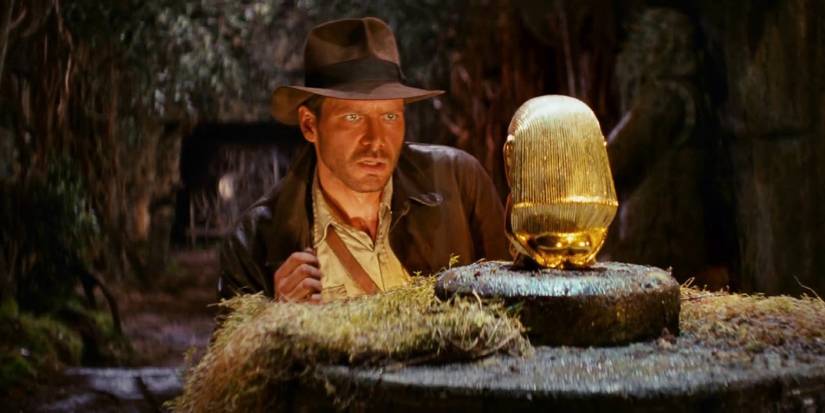
The original Indiana Jones trilogy reinvigorated the vintage action-adventure genre. Combining the peak collaborative talents of Steven Spielberg, George Lucas, and Harrison Ford, the first three films in the massive pop culture franchise brought a spark of fun and joy to blockbuster cinema. The films follow the globe-trotting adventures of Dr. Henry "Indiana" Jones Jr. (Ford), an archaeologist and professor who races against rival treasure hunters and evil regimes to recover powerful and mystical artifacts. Establishing the tone in Raiders of the Lost Ark, journeying back in time with a prequel in Indiana Jones and the Temple of Doom, and wrapping up with a buddy adventure with his father, Professor Henry Jones Sr. (Sean Connery) in Indiana Jones and the Last Crusade, the '80s were shaped by this flawless franchise.
The original Indiana Jones trilogy is widely praised for balancing the tactile excitement of Hollywood allure with a richly crafted story centered on a uniquely vulnerable, accessible hero. Indy got bruised, made mistakes, stumbled into traps, and frequently failed. Yet that was all the more reason to champion his adventures. It let each story be filled with twists, turns, and shocks. He was the ultimate Everyman hero, standing out from the decade's invincible action heroes. With practical effects and stunts and an iconic score from John Williams, the first three films were simply perfect. Perhaps they should have stayed at three.
7 The Original Toy Story Trilogy

Thanks to Toy Story, not only did we learn what happens to our favorite toys when we leave the room, but we learned that we'll always have a friend in them. The first three films were not only timeless, but they also changed animation forever. The first three films follow the secret lives of a group of toys led by pull-string cowboy Woody (Tom Hanks) and a plastic space ranger action figure named Buzz Lightyear (Tim Allen). Through each heartfelt story, Buzz, Woody, and the whole gang made new friends, embarked on daring adventures, and taught audiences important lessons about growing up and never losing our childhood spirit.
The first three films mirrored the natural, human life cycle of growing up, letting go, and passing the torch. The first film tackled the fear of replacement, the second explored identity and purpose, while the third served as a bittersweet goodbye. Toy Story is a masterpiece of artistry. The original film was the first feature-length CGI film and a technological showcase of how far Pixar could go with new animation advancements. The first three films work because they evolve naturally and end with a solid conclusion. The sequels never reinvented the wheel but simply expanded the narrative. Though Toy Story 4 and Toy Story 5 are delights, they can't match the original arc.
8 The Original Star Wars Trilogy
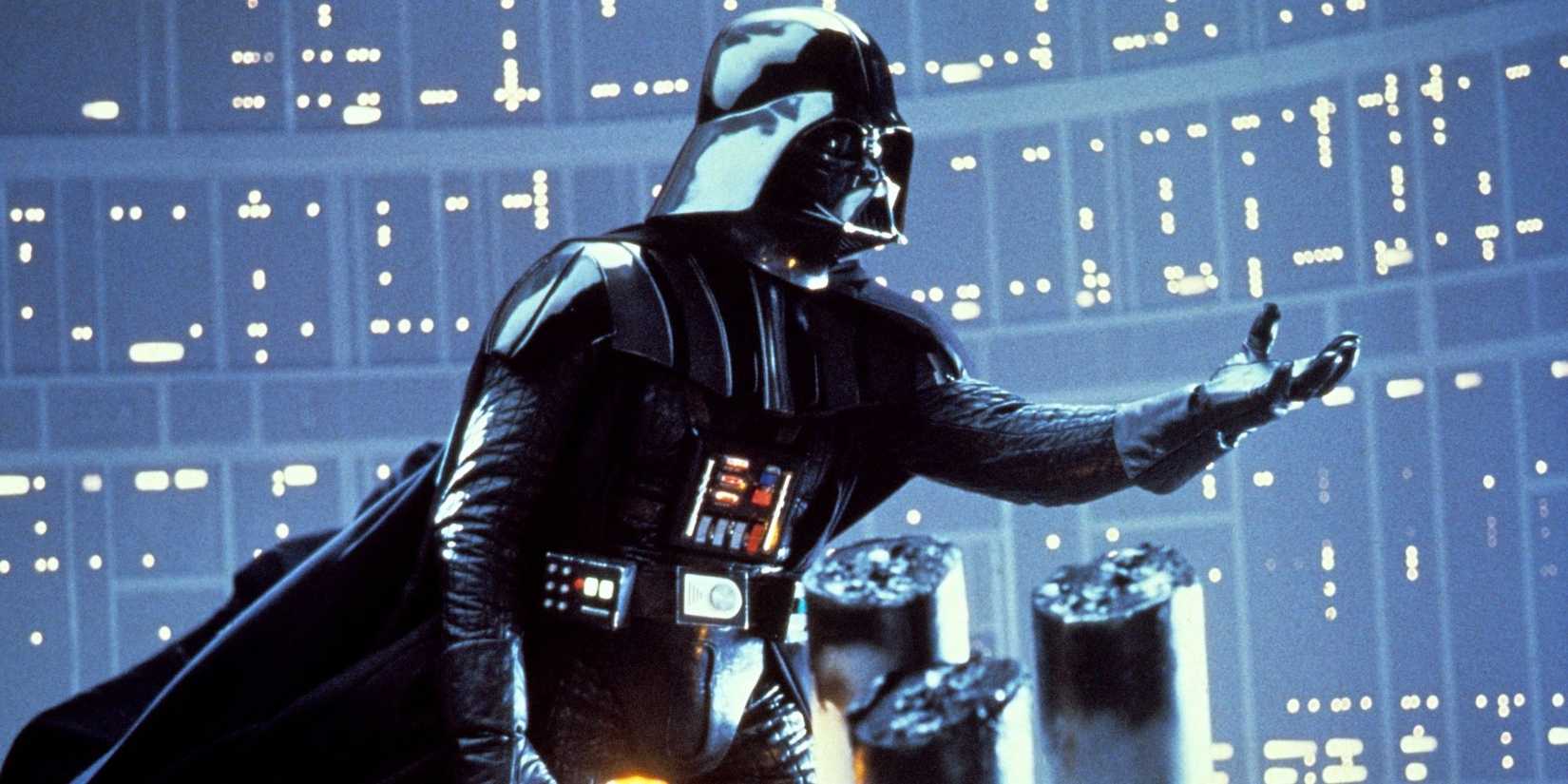
The broader Star Wars universe would never have come to fruition had the original trilogy been as successful as it was. Reshaping how science fiction stories could reach a wider audience, George Lucas' original Star Wars films are exceptional. The space operas chronicle the galactic civil war between the tyrannical Galactic Empire and the freedom-fighting Rebel Alliance. Centered on a young farm boy named Luke Skywalker (Mark Hamill), the story follows him as he learns the ways of the Force, becomes a Jedi, and takes on the evil Darth Vader (James Earl Jones). Comprising A New Hope, The Empire Strikes Back, and Return of the Jedi, we still adore the galaxy far, far away today because of these films.
A masterclass in science fiction space world-building, archetypal storytelling, and mesmerizing visual design, the original Star Wars trilogy set the tone for the larger Skywalker Saga. And, as fans know, the prequel and sequel trilogies can't hold a candle to the first three released features. Lucas' greatest achievement in these films is his ability to develop legendary storylines through exceptionally iconic characters. Through a simple good-versus-evil narrative, even non-sci-fi fans felt welcomed into the world. The films also pioneered cinematic technology that set the tone for filmmaking that followed. The first film establishes the world, the second shocks audiences with a game-changing revelation, and the third concludes with a bow, making the three films a perfect product.
KioskNews shows a cleaned-up reading view extracted from the publisher’s page — the original always lives on their site, not ours.