Monkey bites tourist eating ice cream at Chonburi’s Khao Sam Muk
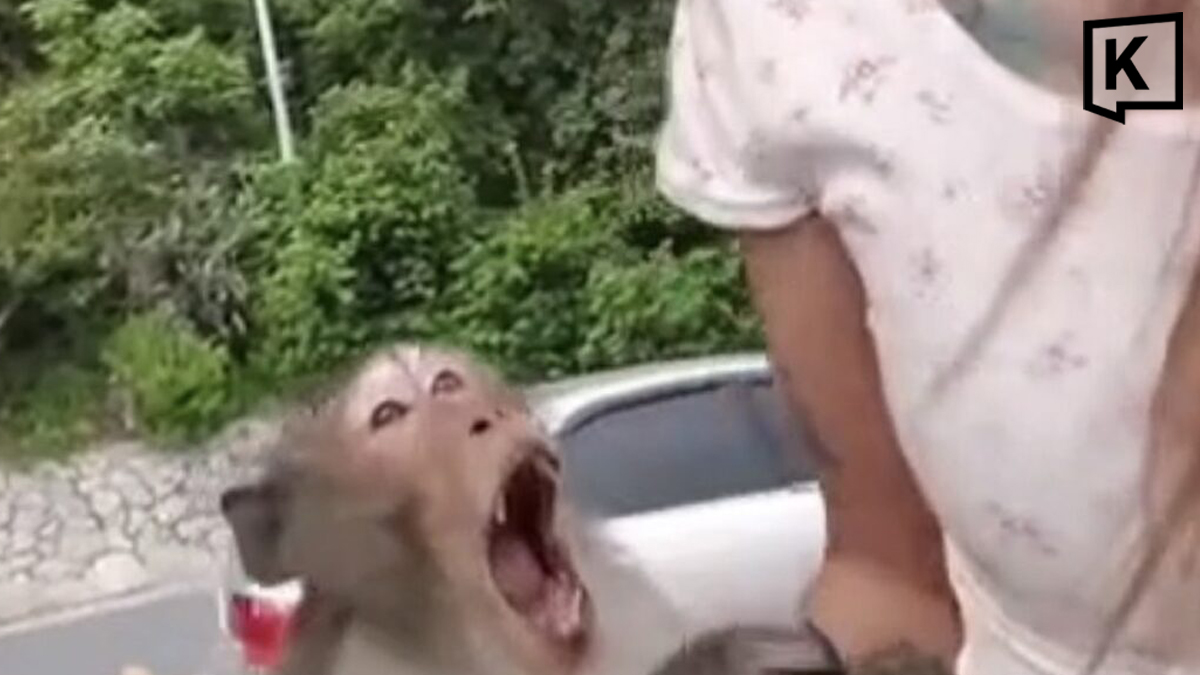
CHONBURI — 13 November 2026, A woman suffered multiple bite wounds on her arm after a monkey attacked her while she was eating ice cream with friends at Khao Sam Muk in Chonburi, prompting warnings to tourists about encounters with monkeys in the popular sightseeing area.
The incident occurred on 13 November, but a video of the attack circulated on social media on 16 November, drawing widespread attention and concern over tourist safety.
The woman, identified as Mew, said she had visited Khao Sam Muk with friends and was sitting down to enjoy ice cream while recording a video.
She said there were no monkeys nearby when they first sat down. However, she suddenly felt something touching her arm and turned to discover that a monkey was biting her.
Startled, she quickly stood up and attempted to move away.
Footage of the incident showed the monkey repeatedly biting her arm before she handed over her ice cream and gestured for the animal to leave.
She later discovered several puncture wounds caused by the monkey’s teeth.
Mew also revealed that she had been bitten by her pet cat on 21 October and had subsequently received vaccinations. She said her final scheduled injection was due on 19 November.
It was not immediately clear whether she had received additional medical treatment following the monkey attack.
Local vendor warns tourists against resisting monkeys
Following the incident, reporters visited Khao Sam Muk and found numerous monkeys living throughout the area, including family groups and solitary animals near tourist seating areas.
Ratree, a 67-year-old vendor selling monkey food, said the monkeys at Khao Sam Muk were generally not aggressive but could attempt to snatch food or belongings from visitors.
She believed the monkey involved in the incident had been attracted to the woman’s ice cream, particularly its milk and coconut ingredients.
According to Ratree, this was the first incident of its kind she had heard of in the area this year.
She advised visitors not to struggle with monkeys attempting to take food or other belongings, warning that resisting could provoke a bite.
Tourists should be particularly cautious if a monkey opens its mouth or displays signs of wanting something they are holding, she added.
Monkey bites pose infection risks
Monkey bites can cause serious infections, even when wounds appear small. People bitten or scratched by monkeys should promptly wash the affected area thoroughly with soap and running water and seek medical attention.
A healthcare professional can assess the need for rabies post-exposure treatment, tetanus protection and other infection prevention measures.
Previous rabies vaccinations following an animal bite do not automatically eliminate the need for medical assessment after a new exposure.
Visitors to areas with free-roaming monkeys are advised to avoid feeding or approaching them, keep food out of sight and avoid attempting to retrieve items directly from an animal.
KioskNews shows a cleaned-up reading view extracted from the publisher’s page — the original always lives on their site, not ours.