In Malaysia, a shadow trade in DIY weight-loss jabs takes hold

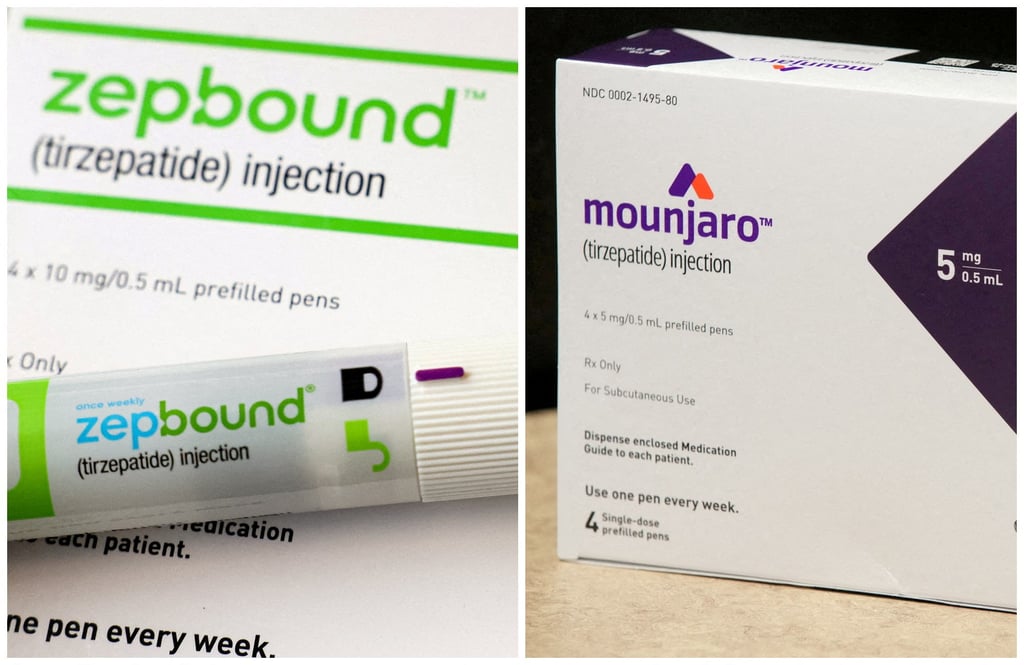
When her prescription for Mounjaro became too expensive, Bey* did what a growing number of Malaysians are doing: she found a cheaper vial online.
The 34-year-old from Kuala Lumpur started on the weight-loss drug about a year ago and hasn’t looked back since.
“I didn’t feel like eating, I didn’t feel hungry,” she said, recalling flying to Jakarta for a “food trip” recently during which she barely ate.
Reviews on Threads and TikTok led her to online sellers offering “tirzepatide”, Mounjaro’s active ingredient, for a fraction of the price of her doctor’s prescription – so she bought it and started administering the drug herself.
A search by This Week in Asia across several platforms found “weight-loss injections” advertised for as little as 60 ringgit (US$15) per jab in Malaysia.
Over five months, with exercise and calorie control, Bey shed 30kg (66lbs) and was so pleased with her progress that she even began recommending the unregulated injections to a friend.
When one seller raised prices she simply switched to another; when a shop was banned from the e-commerce platform she used, she began looking for a different brand.

Mounjaro and Ozempic, which were originally developed to treat diabetes, belong to a class of drugs that mimic gut hormones to curb appetite and regulate blood sugar.
Demand is high in Malaysia, where the most recent National Health and Morbidity Survey, released in 2023, found that 54.4 per cent of the adult population were overweight or obese.
The price of thin
A month of prescribed Mounjaro used to cost Arun* 1,500 ringgit. The 37-year-old began treatment after being told he was prediabetic, meaning his blood sugar was raised but below the threshold for diabetes, and had a fatty liver.
He then moved to grey-market products, sold outside regulated channels and advertised as tirzepatide and retatrutide for about 400 ringgit a month. Retatrutide is an experimental drug. Its developer, the US pharmaceutical company Eli Lilly, said in October that no regulator in the world had approved it.
Arun said he sourced from sellers who used Chinese manufacturers he considered reputable. He checked laboratory reports, batch numbers and other buyers’ reviews before injecting.
“Peptides have changed my life, for the better,” he said, using the umbrella term popular in online fitness communities for these synthetic hormone-mimicking compounds. “Energy levels are great.”
However, Arun conceded that he had also experienced anhedonia – a reduced or complete inability to derive pleasure from activities you would normally enjoy – which he believed was linked to the injections.
“Who do you become when you are no longer hungry?” he asked.
This Week in Asia spoke to one seller in Johor Bahru, the Malaysian city closest to the Singapore border, who advertises a 10mg vial of retatrutide for 100 ringgit, with mixing liquid, syringes, alcohol pads and instructions. Also for sale in the seller’s online shop are products marketed for performance, skin health and longevity.
The seller, who requested anonymity, said the stock came from China and buyers chose to use “Reta”, a slang term for the drug, because it was affordable.
“I explain that Reta hasn’t received FDA approval. I don’t do my own lab tests, I only use the lab tests the supplier provides,” the seller said, referring to the US Food and Drug Administration.
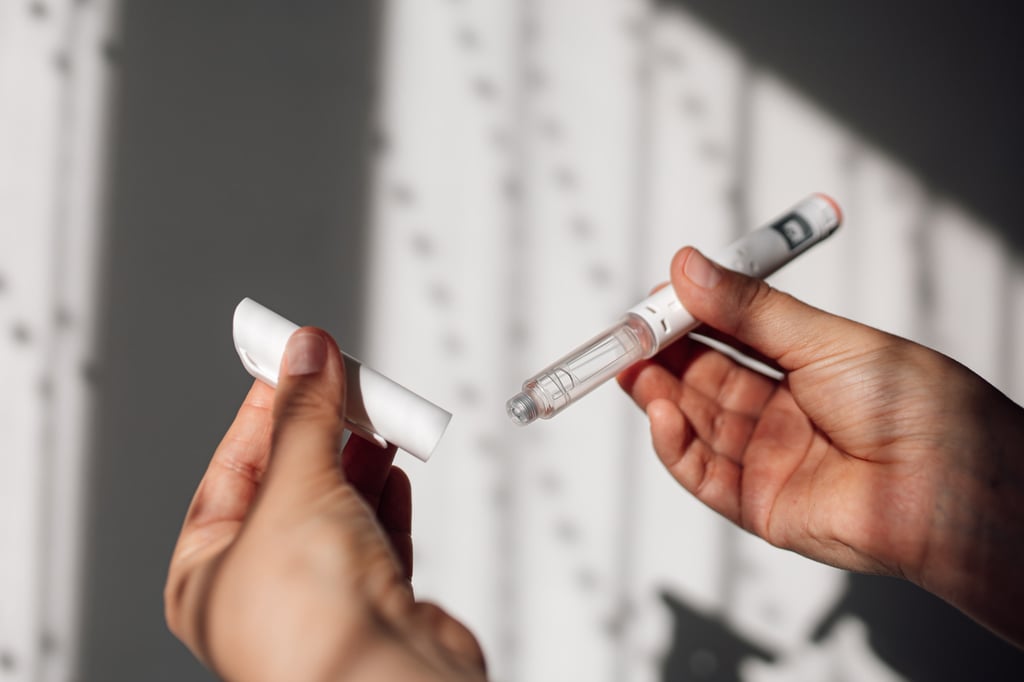
Repeat customers were happy with the product and reported no unusual side effects, the seller added, putting this down to their guidance on starting with low doses.
Similar offers circulate through social media posts and private messages across Malaysia. In March, local outlet Sinar Daily reported that buyers could easily obtain prescription injections online without medical screening or follow-up care.
The risks, if not already self-evident, were illustrated by a recent case in Australia. In September, the country’s Therapeutic Goods Administration reported that a person who used a product sold as retatrutide suffered uncontrollable vomiting and a torn oesophagus, requiring hospital treatment.
Testing found no retatrutide in the vial. Instead, it contained semaglutide, the active ingredient in Ozempic, at about eight times the concentration in legitimate prescription brands the regulator had assessed.
You may develop side effects … [that] present as a life-threatening risk
Dr Sharifa Ezat Wan Puteh, a public health specialist at the National University of Malaysia, warned that laboratory reports and batch numbers could be forged or copied from genuine products.
“The dose can be inaccurate and you may develop side effects,” she said, citing allergic reactions, diarrhoea and other complications such as pancreatitis from unsupervised use. “They may present as a life-threatening risk.”
Sharifa called for wider access to clinically appropriate treatments through public facilities and insurance arrangements, alongside medical advice on exercise, diet and existing conditions.
Malaysian Health Minister Dzulkefly Ahmad told parliament on Monday that officers had seized 341,000 ringgit (US$83,800) worth of unapproved retatrutide products in 12 raids between January 2025 and September this year. Seven additional raids on illegal Ozempic sales yielded products worth 64,170 ringgit.
Dzulkefly said Malaysia’s latest national budget contained no specific allocation for medicines such as Ozempic and Mounjaro, although he noted that patients could apply for treatment through a special approval mechanism.
Between January and September, 240 applications for treatment were approved at a cost of 2.56 million ringgit (US$629,000).

Following the money
The weight-loss trade extends across Southeast Asia. In September, Thai authorities announced the seizure of unregistered peptide products and equipment worth more than 52 million baht (US$1.5 million) after investigating a social media seller in Nonthaburi, north of Bangkok.
TRM Labs, a San Francisco-based firm that analyses blockchain transactions, has identified more than 150 Chinese chemical manufacturers accepting cryptocurrency, roughly three-quarters of which advertised both peptides and fentanyl precursors – the chemicals used to make the potent synthetic opioid.
Payments to vendors selling both product lines rose from US$28.2 million in 2023 to US$37.3 million last year, according to an October report from TRM. The figures cover multiple products and cannot show how much was spent on peptides alone.
“We have not traced Malaysian buyers to these suppliers, so we can’t say this applies to any specific purchase,” said Xue Peh, a senior analyst at TRM. “On-chain data shows how much was transacted, not what was bought.”
05:23
Indonesia battles teen obesity as problem becomes double burden along with poor nutrition
While cryptocurrency allowed suppliers to easily accept cross-border payments, public blockchains still left a digital trail, Peh said.
“Authorities can follow the flow of funds to connect transactions to suppliers, not just seller accounts,” she said, adding that issuers of stablecoins – cryptocurrencies pegged to conventional fiat currencies – could freeze assets and crypto exchanges could screen payments to known supplier wallets.
For Bey, the loss of her latest supplier has changed little. She credits the slimming injections with suppressing her appetite and helping her lose weight, alongside exercise and eating less.
Her latest dose was a week before she spoke to This Week in Asia and she was already weighing up the pros and cons of switching to another brand. “I have to buy it again,” she said.
KioskNews shows a cleaned-up reading view extracted from the publisher’s page — the original always lives on their site, not ours.