UN 'blacklist' increasingly used as legal weapon against Israeli firms since Oct. 7 - study
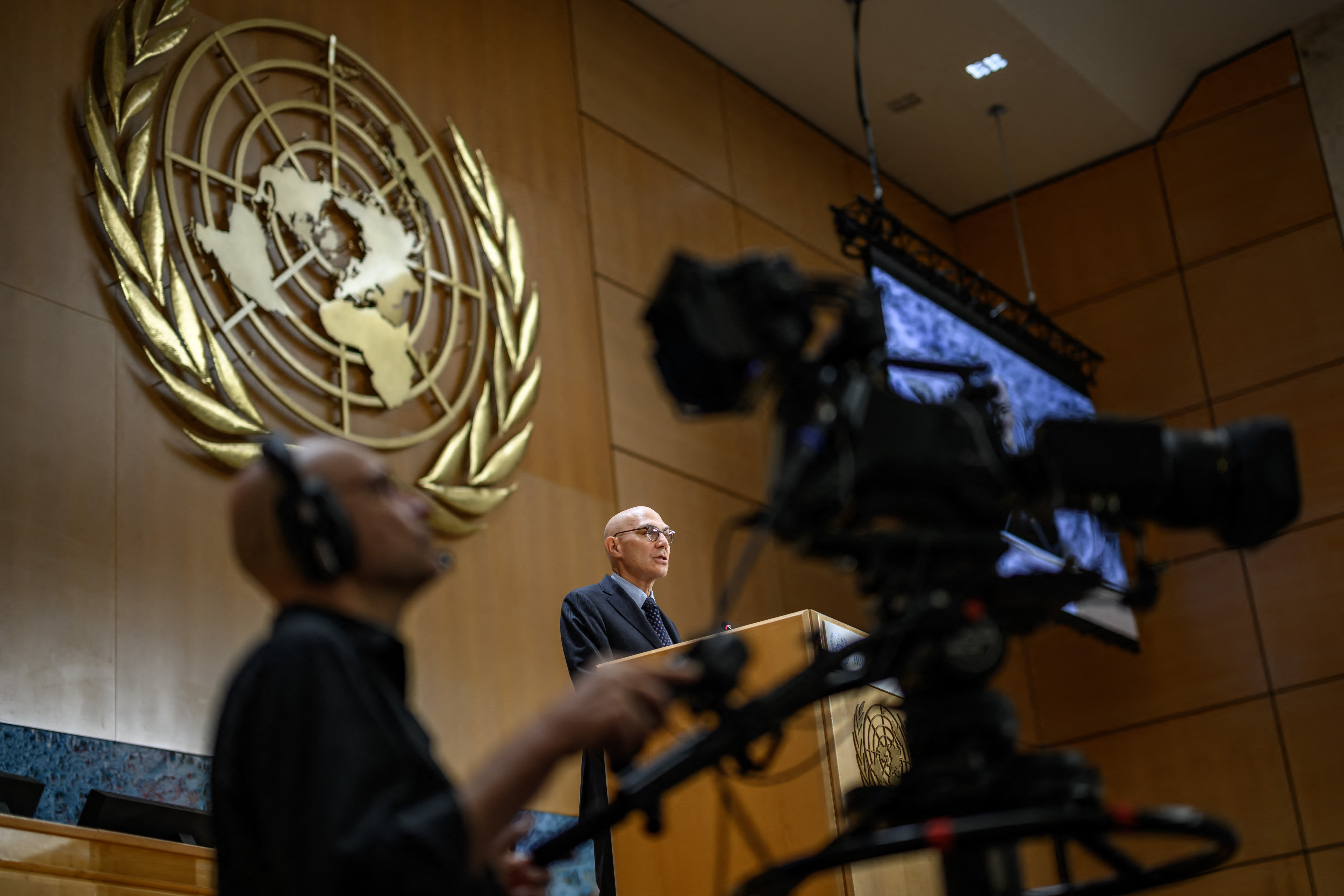
Since October 7, the UN ‘blacklist’ has become a legal tool used against Israeli and international companies with ties to Israel, a new study has found.
The study was carried out by Repshield, a company specializing in risk intelligence and management for international businesses.
The UN Blacklist is a database compiled by the UN Office of the High Commissioner for Human Rights (OHCHR) listing companies operating in or supporting Israeli settlements in the West Bank and east Jerusalem.
Between its initial publication in February 2020 and its latest update in September 2026, 238 companies have appeared in the UN database at any point. Some of the 'blacklisted' companies are Israeli banks (e.g. Bank Hapoalim, Bank Leumi, Discount, Mizrahi Tefahot), telecommunications (e.g. Partner and Pelephone) and supermarkets (Shufersal, Rami Levy).
Between February 2020 and October 2023, Repshield researchers identified just one legal action that cited the UN blacklist.
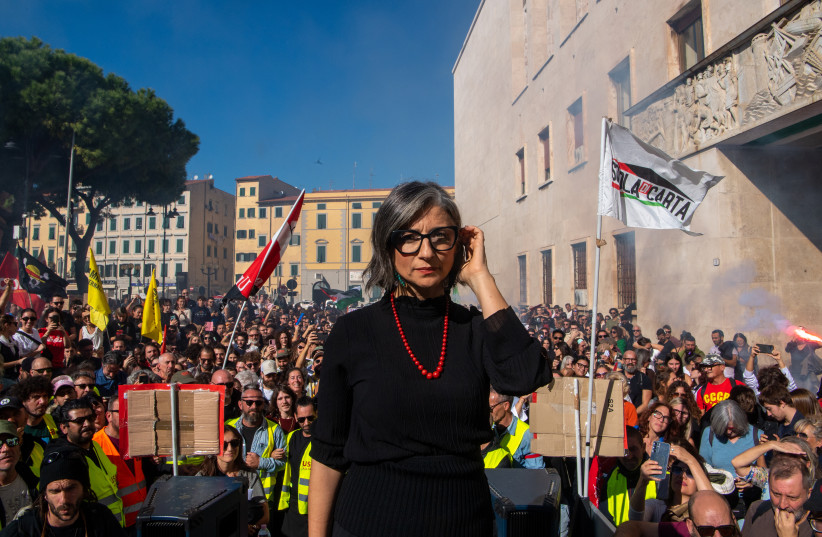
Many legal, regulatory actions target companies referenced on UN database
However, since the October 7, 2023 Hamas attacks, they documented at least ten legal and regulatory actions and proposed shareholder resolutions targeting companies on the list or their business partners. All ten explicitly referenced the UN database.
The ten actions documented since October 2023 took place in eight countries: the Netherlands, Spain, France, Ireland, Norway, Italy, Germany and Chile. They included three criminal complaints, a civil lawsuit, regulatory complaints, complaints filed with the OECD's National Contact Points, and proposed resolutions at shareholder meetings.
The study also uncovered a growing effort to target companies' business partners, rather than just the companies appearing on the list themselves. This, Repshield argued, suggests that pressure can spread beyond listed businesses to other companies with commercial ties to them, creating additional risks for businesses operating internationally.
Additionally, the study found that companies with international operations (such as Booking.com and Airbnb) were roughly 11 times more likely to face activist campaigns than those operating exclusively in Israel: 34.6% compared with 3.2%.
In 91% of cases, the campaigns began before the companies were added to the UN database. The list, in other words, did not trigger most of these campaigns, but it may later serve as another means of applying legal, public and financial pressure.
The most frequently targeted sector among businesses included in the UN database was online travel and accommodation companies. Five of the seven companies in this category faced activist campaigns, compared with four of 11 in banking and financial services.
Campaigns were also documented against seven of 47 companies in agriculture and food, three of 20 in real estate, three of 17 in transportation, and two of 46 in construction and building materials.
Significant shift since October 7 in utilization of UN blacklist
Tzahi Gavrieli, CEO of Repshield and former Director General of Israel's Ministry of Strategic Affairs, said: "The UN blacklist has been around for years, but since October 7, we have seen a significant shift in how it is being used against companies."
"The fact that more actions are now being directed at overseas business partners should be a wake-up call for every Israeli company operating internationally. Companies that identify these threats early can prepare for them, rather than discovering them only when they have already become a crisis."
In response to the findings, Good Vision, a company that specializes in corporate responsibility and ESG risk management, announced that it is introducing a practical guide to help Israeli companies identify potential threats early and respond to boycotts, sanctions and international activist campaigns.
The guide sets out four steps: identifying risks and threats; monitoring international organizations, rankings and initiatives; strengthening internal policies and preparedness, including human rights policies and risk mitigation plans; and engaging with stakeholders while reporting transparently on company activities.
Good Vision is also launching a dedicated hotline offering initial consultations to Israeli companies seeking to assess their exposure and prepare before potential threats escalate into a crisis.
"Since October 7, many Israeli companies have faced both overt and less visible attacks, ranging from reputational damage to actual sanctions," said Ivri Verbin, CEO of Good Vision.
Verbin said the study shows how a campaign against a company "can move from the streets to the courts, regulators and investors, and even affect its business partners abroad."
Despite this, Verbin noted that many affected companies choose to remain silent, making it harder for other businesses to learn from their experiences and prepare. It is for this reason that Good Vision - alongside Israel Advanced Technology Industries (IATI) - decided to hold a conference on November 16 focused on helping companies identify threats early and address them before they become a crisis.
"Today's geopolitical reality requires Israel's high-tech and innovation industries to prepare for new threats," said Karin Mayer Rubinstein, CEO of IATI.
"Israeli companies operating globally face not only business challenges and competition, but also legal, regulatory and public pressure that could affect their operations and relationships with international partners."
KioskNews shows a cleaned-up reading view extracted from the publisher’s page — the original always lives on their site, not ours.