Netanyahu’s Macbeth complex: Ex-spy chief exposes a leader consumed by paranoia
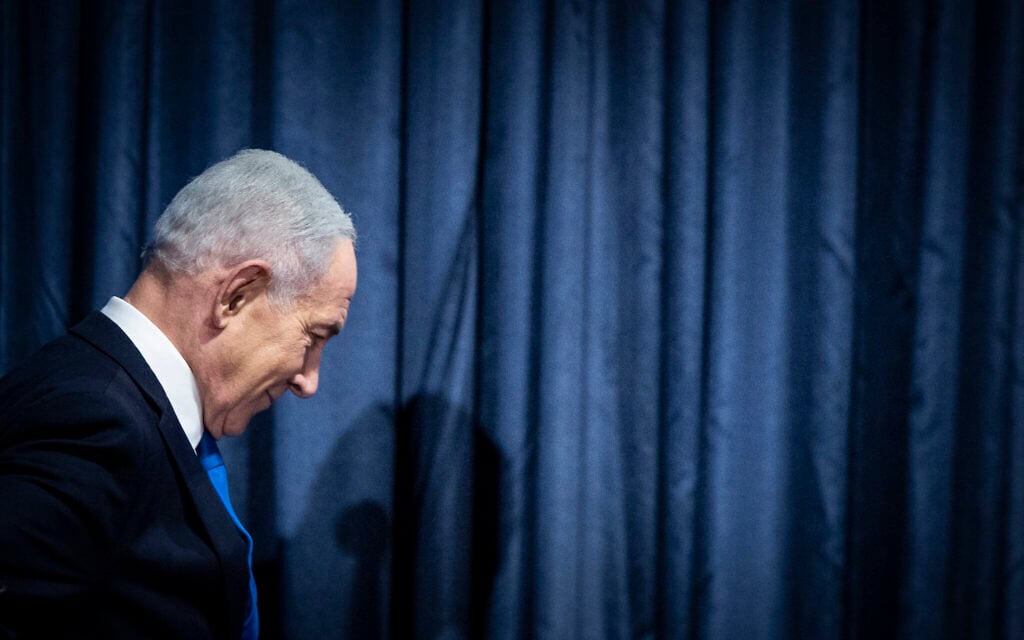
The explosive defamation lawsuit filed on Wednesday by former Shin Bet chief Ronen Bar exposes the sheer depth of the chasm that had opened between Prime Minister Benjamin Netanyahu and the heads of Israel’s security establishment well before the October 7, 2023, Hamas invasion and massacre.
The detailed legal filing paints a deeply disturbing picture of profound mistrust, open hostility, and a complete breakdown in communication between the political and security leadership of the country.
It showcases a leader seemingly driven by suspicion and paranoia, entrenched in the struggle for his own political survival, and entirely unwilling to listen to the professional assessments of the officials formally entrusted with the nation’s security.
0:00 / 0:00
Promoted: JPPI, Bret Stephens

To understand the gravity of Bar’s claims, one must look back to the political climate preceding the October 7 assault.
The acrimonious relations, which began the moment Netanyahu returned to power in December 2022 and launched his highly controversial judicial overhaul, were not limited to the IDF chief of staff and the head of the Shin Bet internal security agency.
Get The Times of Israel's Daily Edition by email and never miss our top stories
By signing up, you agree to the terms
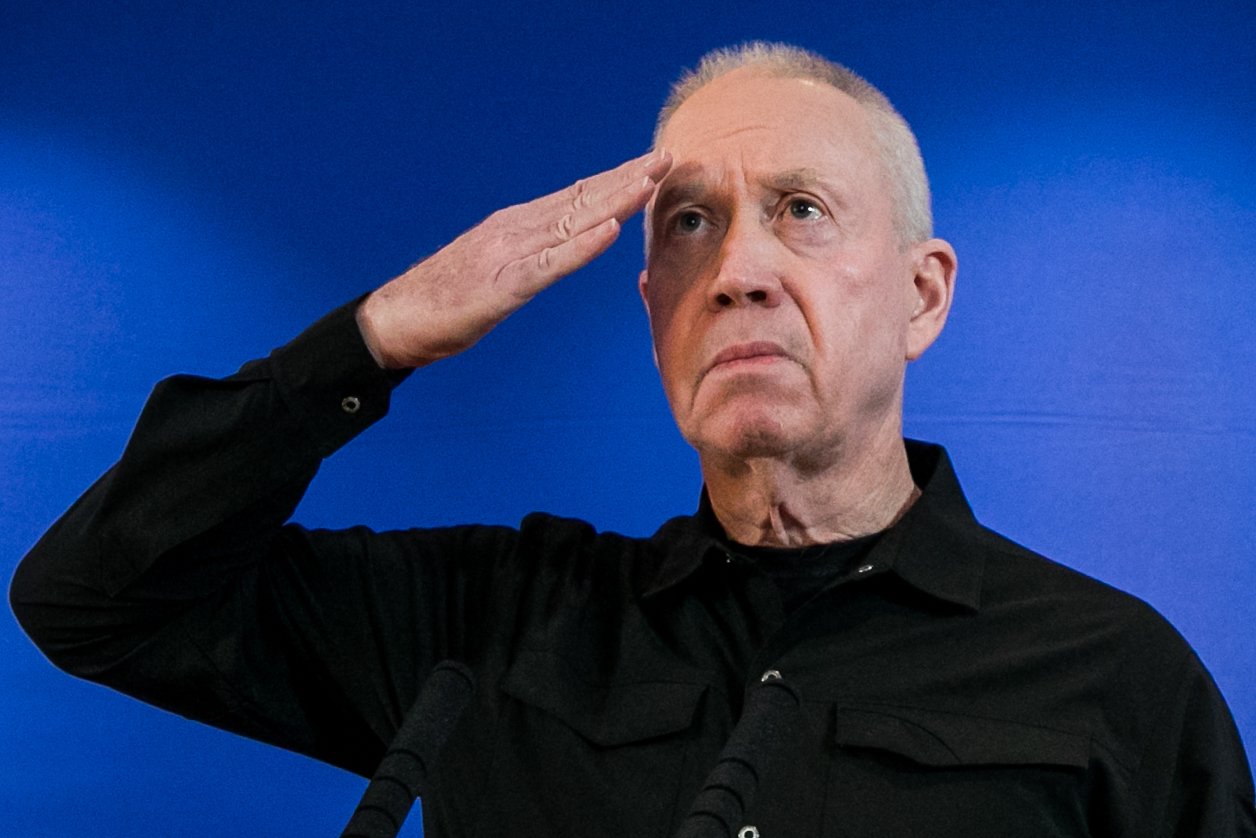
Then-defense minister Yoav Gallant also found himself in a prolonged, bitter confrontation with the prime minister over the damage the overhaul was doing to military readiness. And, as we learned just last week, even Netanyahu’s own military secretary did not have his trust.
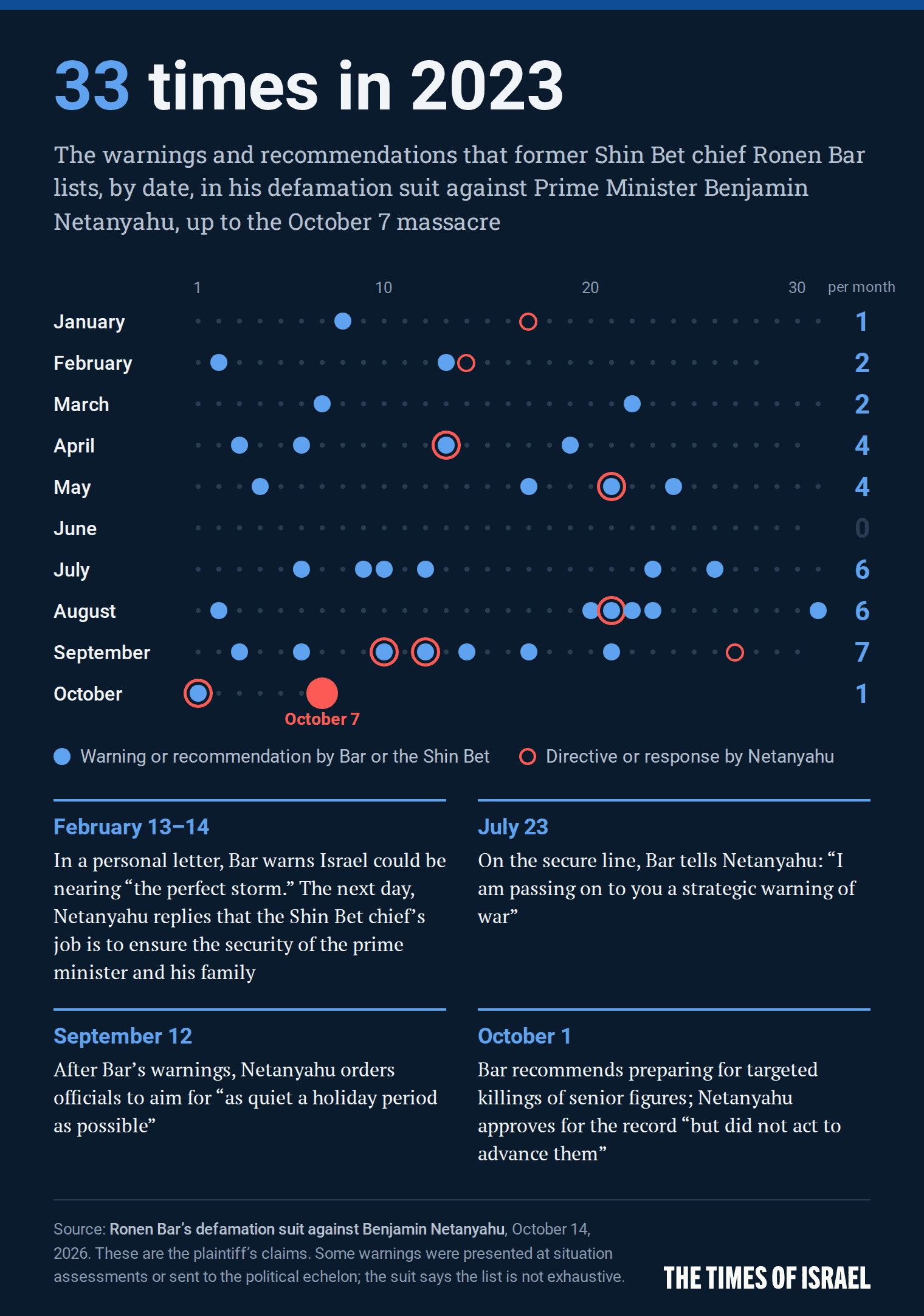
The lawsuit offers little that is factually new to those who have closely followed the inner workings of the government, but reading the allegations in chronological sequence reveals a leader who closes his ears to warnings and has absolutely no interest in hearing inconvenient truths.
Netanyahu continues to insist, even three years later, that he was never warned and knew nothing of the massive Hamas threat approaching Israel. But it is difficult to claim you were not warned when you consistently refused to listen to the people actively warning you.
It was amid this toxic reality — in which the head of the Shin Bet was reduced to seeking an audience with the prime minister via Netanyahu’s media confidant, Channel 14 pundit Yaakov Bardugo (as revealed by Channel 12 news), and the entire security leadership was mired in a swamp of suspicion — that Israel suffered the most brutal and devastating attack in its history.
Perhaps Netanyahu wanted the security chiefs to simply fall into line with his political positions, and perhaps even to publicly support him on the deeply divisive judicial overhaul. He would have vastly preferred that they not warn him of the deepening fractures in Israeli society, and that they turn a blind eye to the hundreds of thousands of Israelis protesting in the streets every week.

Netanyahu may have expected then-IDF chief of staff Herzi Halevi to take an iron-fisted approach toward the thousands of military reservists who threatened to stop volunteering for duty in protest of the government’s actions. But Halevi feared that an overly harsh response to those veteran officers and pilots would double or even triple the number of personnel refusing to volunteer, severely damaging the military’s operational readiness.
And what did Netanyahu do in the face of all this in the months before the invasion? He kept publicly blaming senior IDF and security officials instead of addressing the political, social and military crisis that was worsening by the day. Did he fail to see that reality, too? Did he need a specific, localized intelligence warning about the societal collapse unfolding right in front of him?
Had he exercised even basic judgment instead of constantly searching for someone to blame, had he managed to lift his head for a moment from his obsessive preoccupation with his own political future and ongoing corruption trials, he might have been able to contain the crisis.
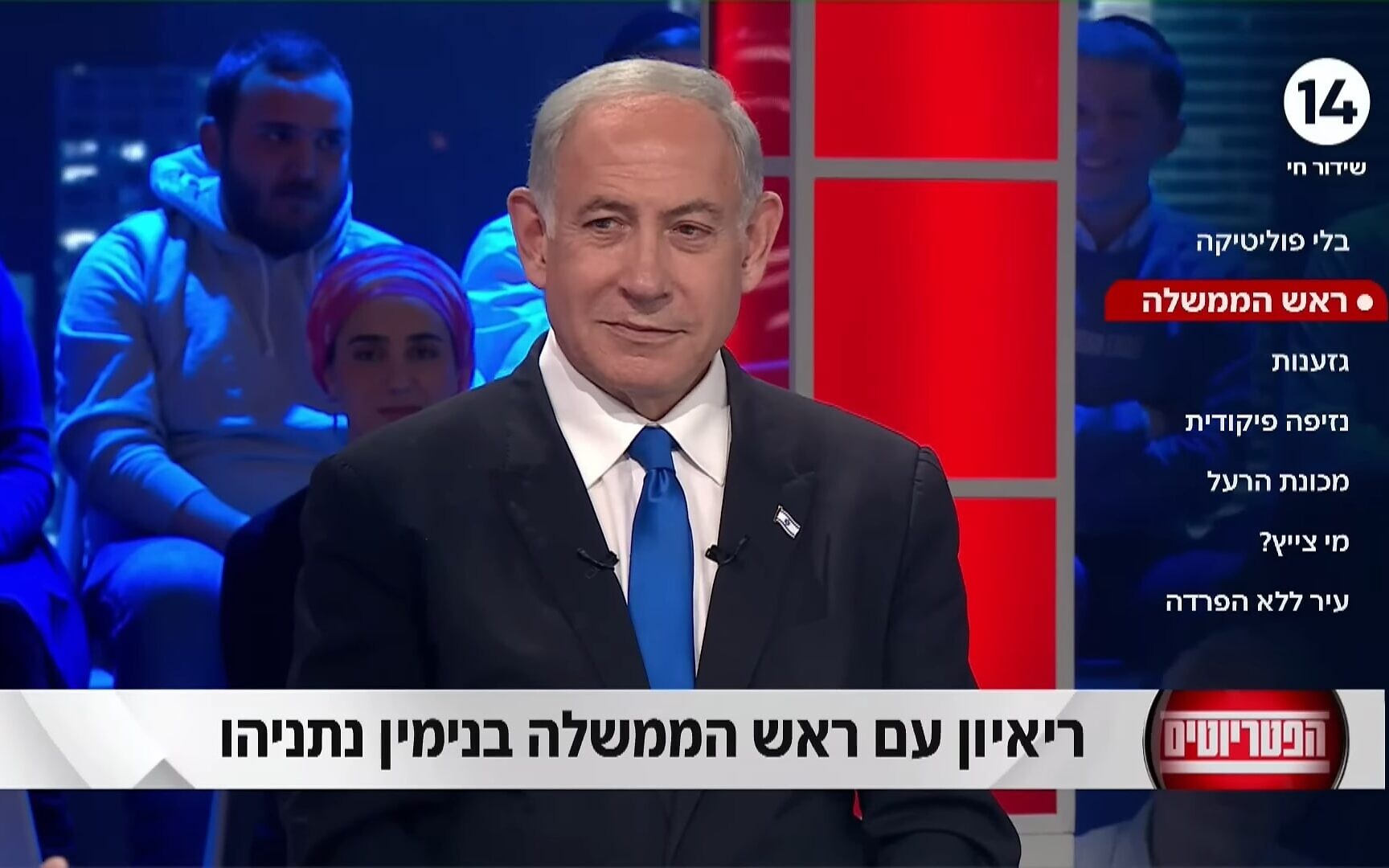
At the very least, Netanyahu could have examined the dire strategic warnings placed before him more closely. But the prime minister remained unmoved. “I think there’s some exaggeration here,” he said dismissively in April 2023 in a Channel 14 interview, when asked explicitly about the threats the security establishment was warning him about.
And so, the Hamas-led terrorists burst in and carried out mass murder, with Israel’s political and security leadership deeply divided and at odds, and the prime minister having zero confidence in the senior officials of his own security establishment.
The Israeli public sent its sons and daughters into battle, while Netanyahu continued, from the very beginning of the war, to attack the commanders responsible for directing the fighting, for working to save the lives of the hostages, and for the safety of the soldiers in the Gaza Strip.
It is difficult to forget the infamous late-night tweet Netanyahu posted on October 29, 2023, blaming the military intelligence leadership and the Shin Bet for the massacre. A few hours later, following a massive national uproar and a public rebuke from his war cabinet partner Benny Gantz, Netanyahu deleted the tweet and issued a rare apology. But the mask had slipped.
Even in the face of a ruthless enemy, Netanyahu’s instinct was to attack the commanders of his own security forces. With such a profound crisis of confidence, is it any wonder that his promised “total victory” was never achieved?
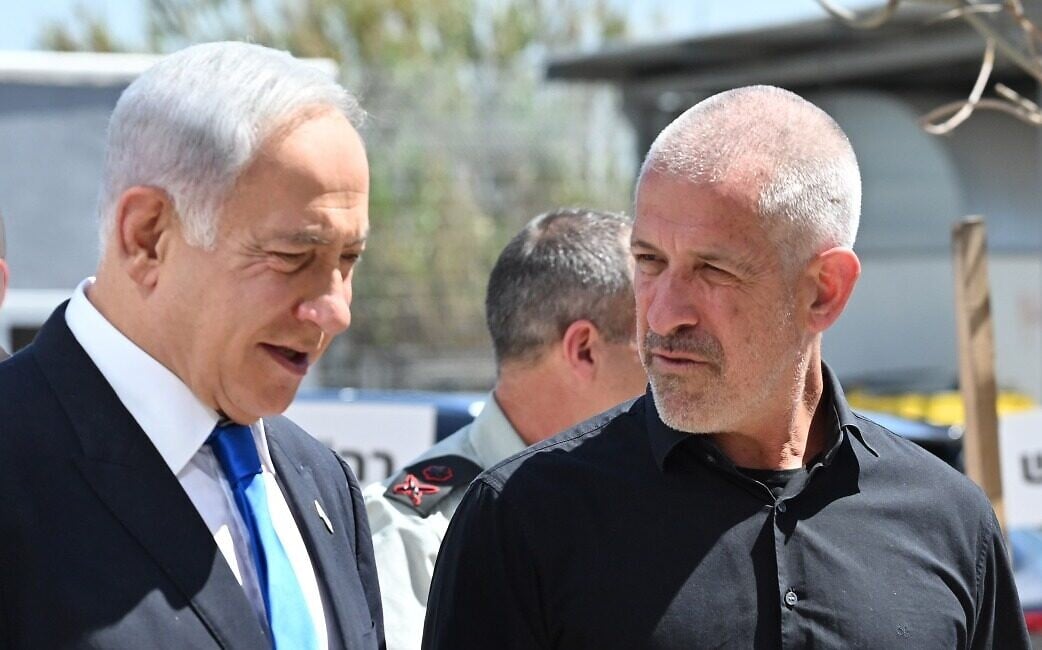
Throughout the war, Netanyahu’s hostility toward the security chiefs persisted. Instead of rebuilding trust and conveying a message of responsibility and unity to a traumatized public during an unprecedented national emergency, he continued to level petty accusations and deepen the rift.
The infighting culminated in ugly dismissal announcements: first, the firing of Gallant as defense minister on November 5, 2024 — timed precisely on the day of the US presidential election, presumably so that the extraordinary dismissal would attract less attention — followed by the attempted firing of Shin Bet chief Bar in March 2025.
Bar’s lawsuit against Netanyahu should therefore be read as a public indictment of the destructive relationships at the very top of the Israeli government. Every line and paragraph sounds an alarm regarding a prime minister who does not trust raw intelligence, who has no confidence in the senior officials around him, and who is convinced that the “deep state” has joined forces in a grand conspiracy to harm him politically.
Instead of immersing himself in biographies of Winston Churchill, as he famously so often does, Netanyahu would do well to pick up Shakespeare’s “Macbeth” — the tragic story of a ruler consumed by blind ambition and paranoia regarding those around him, until he is left without a single person he can trust, simply because he himself trusts no one.
Bar filed the lawsuit following statements posted by Netanyahu on X on September 28 this year, in which the prime minister viciously disparaged the former Shin Bet chief.
Netanyahu accused Bar of actual “crimes,” claiming that although Bar had held numerous urgent telephone conversations on the night of October 6-7 regarding suspicious Hamas activity, he decided “not to call and update the prime minister, not to warn the local emergency response squads and IDF forces in the field, not to evacuate the Nova festival, and only to dispatch a small Tequila team (which proves he knew there was a real danger).”
The “Tequila” team is the Shin Bet’s elite rapid-response counter-terrorism unit. Bar famously dispatched a small team to the Gaza border on the eve of the massacre due to troubling intelligence.
Of course, the Shin Bet is not responsible for transmitting warnings to civilian emergency response squads, issuing operational instructions to IDF forces in the field, or ordering the evacuation of the civilian music festival, where over 360 young people were later murdered.
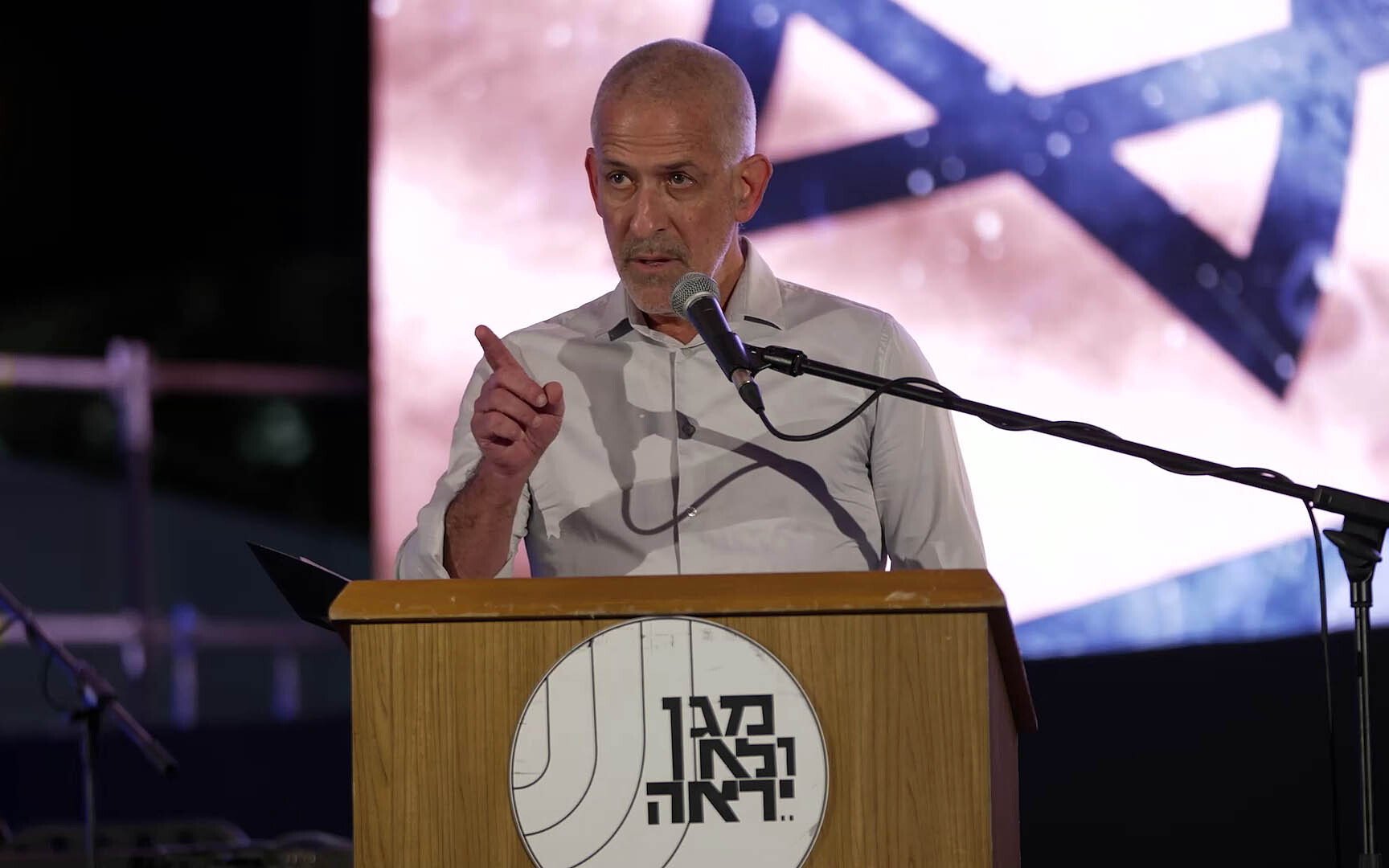
According to Netanyahu’s narrative, Bar knew about the impending slaughter and deliberately chose not to issue a warning. But Israeli security chiefs fundamentally failed to anticipate anything remotely akin to a large-scale invasion.
This is not merely the case of a prime minister deflecting and reassigning responsibility for a systemic failure; it is an accusation that a dedicated public servant consciously decided to abandon civilians and soldiers to their fate.
The dark conspiracies embedded in Netanyahu’s remarks are directly connected to the baseless accusations recently made by his wife, Sara Netanyahu, against Yair Golan.
Golan, a former IDF deputy chief of staff and current leader of the left-wing Democrats party, famously drove to the Gaza border on the morning of October 7 of his own volition, repeatedly entering the fire zone to rescue trapped civilians.
Yet Sara Netanyahu bizarrely claimed that Golan was “dressed” in his uniform in advance — a vile insinuation heavily promoted in right-wing echo chambers implying that Golan, and by extension others opposed to Netanyahu, had prior knowledge of the impending attack.
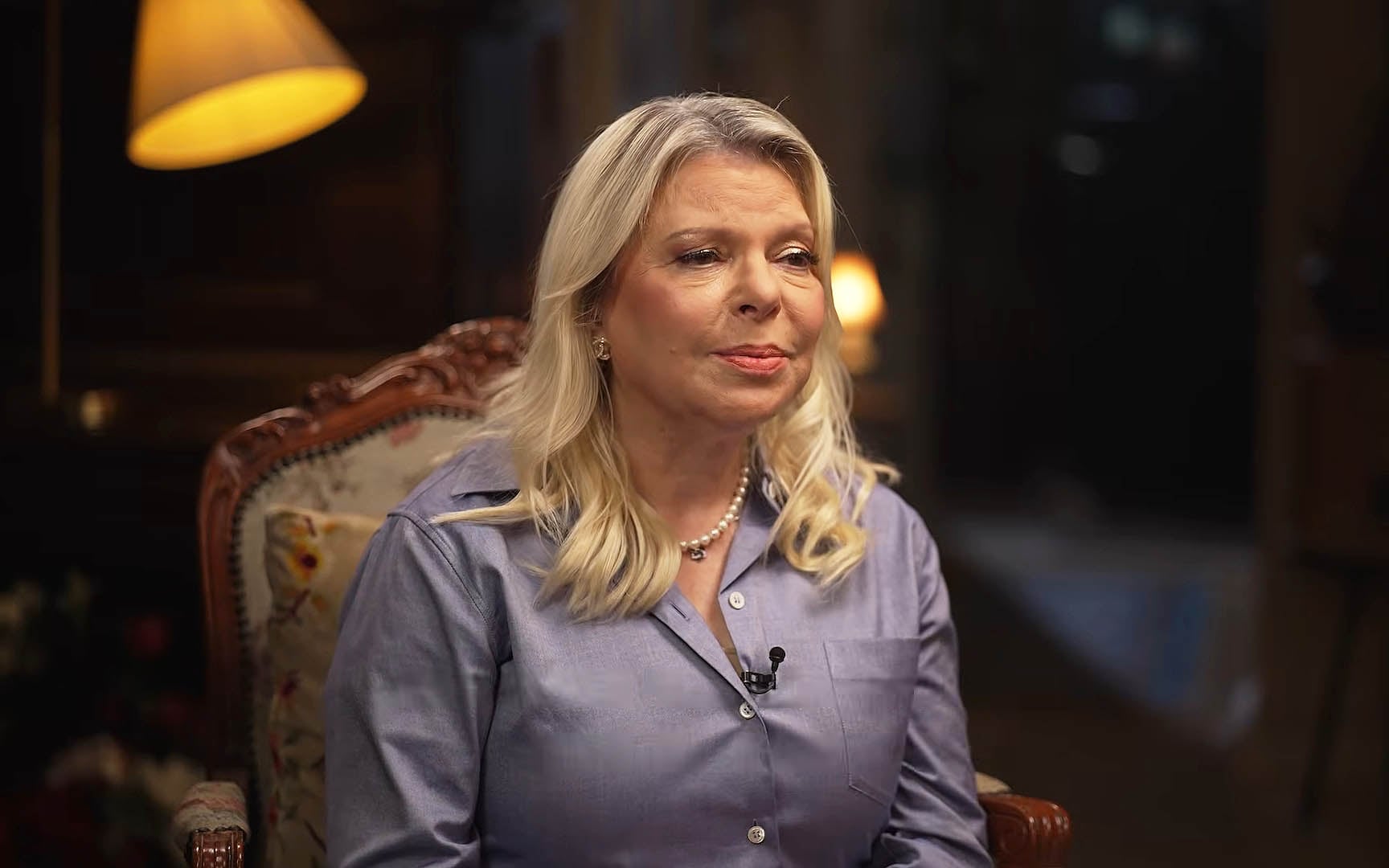
The conspiracy theories routinely spread by the Netanyahu family are not disconnected from the deep suspicion that characterized the prime minister’s relations with senior security officials even before the war. Precisely the same pattern resurfaced this week in Netanyahu’s interview on Channel 14’s pro-government program, “The Patriots.”
Netanyahu claimed that information was being deliberately concealed from him, this time concerning the identity of whoever allegedly met with Egypt’s intelligence minister, Abbas Kamel, whose plane purportedly landed in Israel just days before October 7.
“Want to see our deep state? For God’s sake, I am the prime minister of Israel,” Netanyahu ranted on the broadcast. “There was an Egyptian intelligence minister here. He spent 59 minutes on the ground here. I want to know who he met with. I don’t know who met with him.”
“I turn again to the security agencies, law enforcement. All the agencies. There are cameras. There are recordings. I want to know who he met with. I want to know the truth. Because someone met with him and is trying to pin it on me,” Netanyahu concluded.
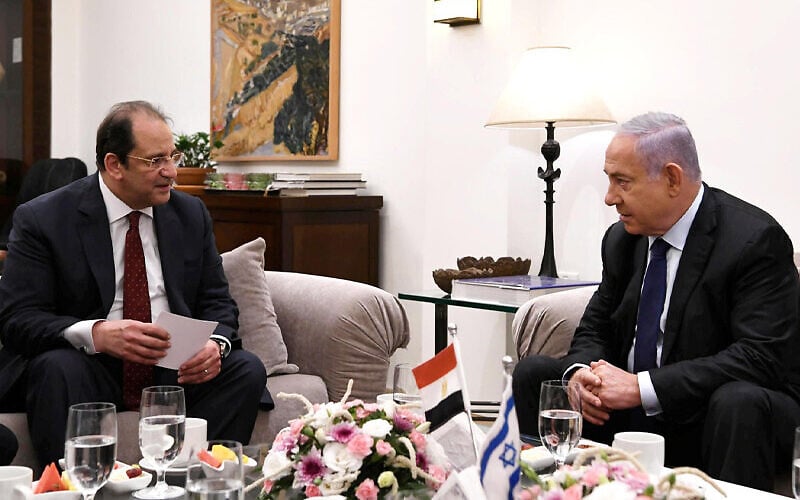
On Wednesday, the Kan public broadcaster reported that the aircraft in question was not used by Egypt’s intelligence minister after all, but rather carried two Egyptian businessmen. It remains unclear which of the reports is correct, but Netanyahu had authoritatively declared that Kamel was aboard, in what amounted to a coordinated plot against him.
As Israel’s prime minister, Netanyahu could have easily established the facts through the appropriate authorities. Instead, he chose to publicly portray the affair as yet another piece of “evidence” that shadowy deep-state forces are working against him and attempting to frame him.
What will happen if, should he remain in office after the next election, Netanyahu also loses confidence in current IDF Chief of Staff Eyal Zamir, Mossad chief Roman Gofman, or Shin Bet chief David Zini? We have already seen him turn his back on senior officials he himself appointed — such as former police commissioner Roni Alsheich and former attorney general Avichai Mandelblit, both of whom oversaw his criminal corruption indictments and were immediately labeled by the prime minister as part of the “deep state.”
What will happen if the current security chiefs present him with assessments he simply does not like? There is no end to paranoia. Will he accuse them, too, of concealing information, conspiring against him, or trying to bring his government down?
KioskNews shows a cleaned-up reading view extracted from the publisher’s page — the original always lives on their site, not ours.