China busts ‘Breaking Bad’-style drug racket led by retired chemistry professor
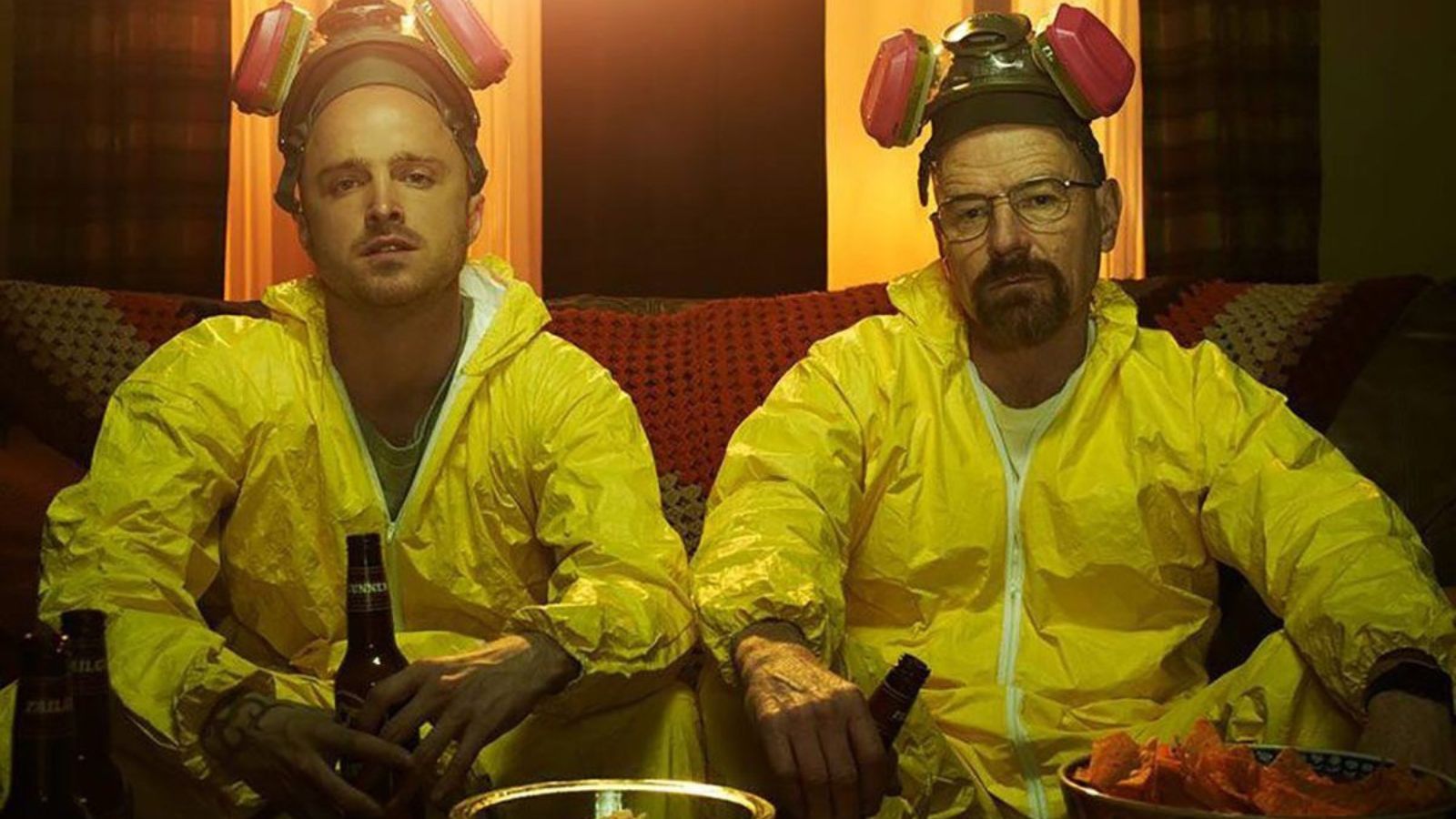
The operation led to 71 arrests and the seizure of 73 kg of etomidate and more (Photo: A scene from Breaking Bad as representational image)
Chinese authorities have busted a cross-border drug-trafficking network run by a retired chemistry professor and a man with a master’s degree in chemistry. The gang is accused of producing precursor chemicals used to manufacture etomidate, a controlled substance illegally used in e-cigarettes known as “zombie vapes”.
According to the South China Morning Post, the operation spanned China, Cambodia, Vietnam, and Thailand. The police arrested 71 people and seized 73 kg of etomidate, five tonnes of active ingredients, and laboratory equipment, state broadcaster China Central Television (CCTV) reported.
The case has drawn comparisons with the American crime drama Breaking Bad, with social media users calling it “China’s Breaking Bad”. The series follows Walter White, a chemistry teacher who turns to drug manufacturing and teams up with a former student.
How the drug network was uncovered
The investigation began in 2024 when the police inspecting a pharmaceutical technology company in China’s Shandong province noticed that it had purchased unusually large quantities of six chemicals used to manufacture etomidate.
The purchases were traced to Huang, a man with a master’s degree in chemistry who had spent years selling e-cigarettes in Shenzhen. He had worked at the company for just three months before resigning.
The police suspected Huang had procured the chemicals to manufacture etomidate. During the investigation, they discovered that he frequently travelled between Zibo in Shandong and Shenzhen, where he spent several days at a time with Wu, who had retired as a chemistry professor at a local college.
Investigators later identified Wu as the mastermind. He is accused of designing and refining the manufacturing process and using his connections to secure laboratory space in factories across five Chinese cities. The facilities were ostensibly used to develop new medicines.
Story continues below this ad
Another suspect, Wang, an e-cigarette seller who owned an international logistics company, allegedly arranged for the chemicals to be transported in small quantities and helped move manufacturing equipment between locations, the report added.
Network operated across four countries
According to investigators, the gang manufactured precursor chemicals in China before shipping them to Vietnam, Thailand, and Cambodia, where they were converted into the finished drug. The arrangement was allegedly intended to minimise the network’s exposure to legal risks in China.
The police said the group used its technical expertise to improve production methods and exploit regulatory loopholes.
The police said dismantling the entire network simultaneously was essential to securing enough evidence to prosecute its members. The discovery of precursor chemicals alone in China would not have been sufficient to establish a crime or make arrests, investigators said.
Story continues below this ad
Gathering evidence and coordinating with law enforcement agencies in Vietnam and Thailand took nearly two years. In March and April, the police dismantled seven bases operated by the network across Cambodia, Vietnam, and Thailand.
The operation led to 71 arrests and the seizure of 73 kg of etomidate, five tonnes of active ingredients, and several pieces of laboratory equipment, CCTV reported.
KioskNews shows a cleaned-up reading view extracted from the publisher’s page — the original always lives on their site, not ours.