Taking antibiotics? Your morning milk, coffee or alcohol could interfere with them
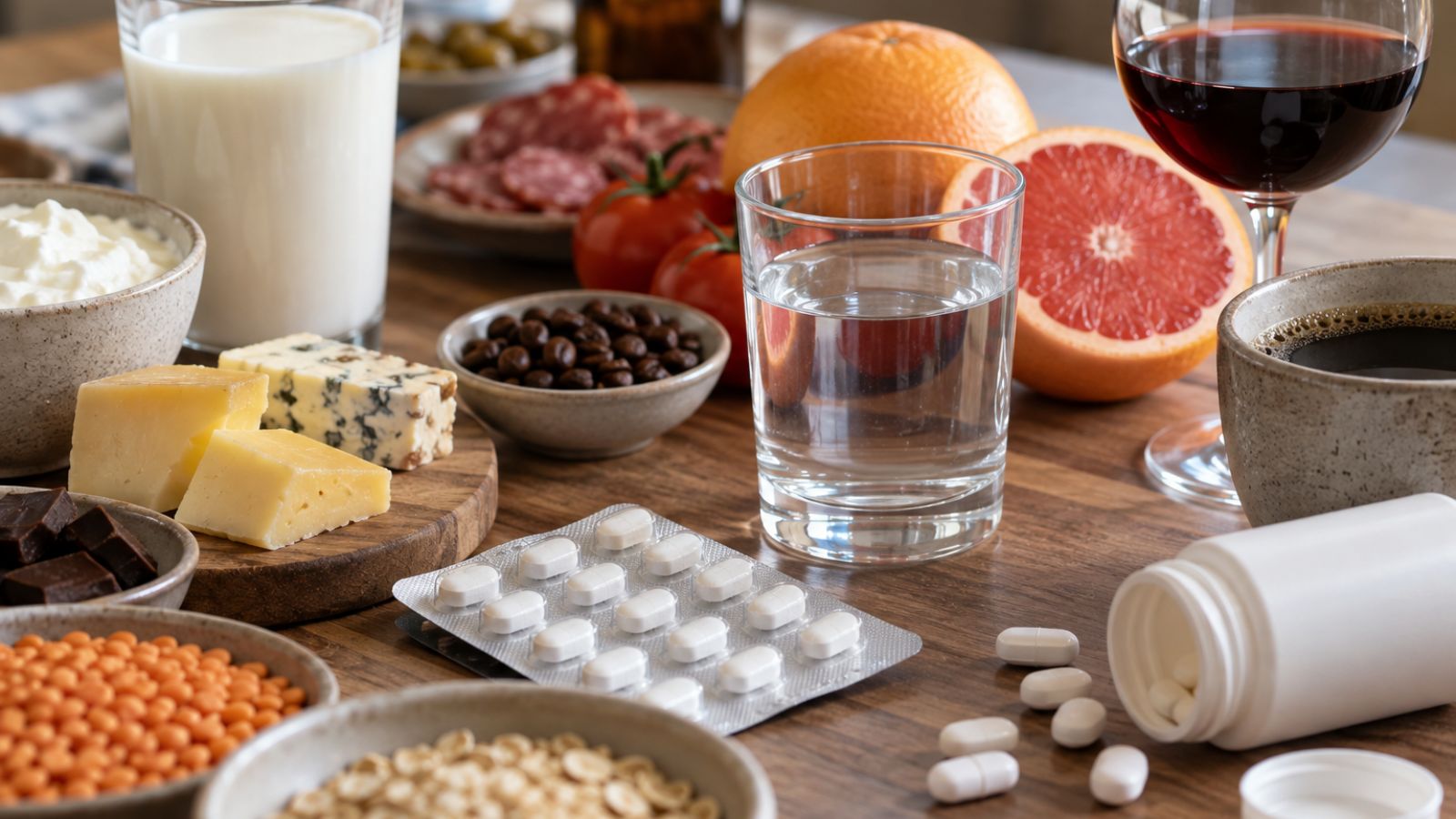
You take an antibiotic on time, with a glass of water, and assume the medicine will simply do its job. But sometimes, what comes with that tablet matters too. The milk in your morning tea, a bowl of curd, your regular cup of coffee or even a glass of wine can interact with certain antibiotics. These interactions can affect how much of the medicine the body absorbs, how it is broken down or how strongly its side effects are felt.
This does not mean every antibiotic needs to be taken on an empty stomach or that patients need to change their entire diet. The interaction depends on the specific antibiotic. Knowing which food or drink matters can, however, help the medicine work as intended.
Dairy and calcium-rich foods can be a concern with certain antibiotics, particularly tetracyclines such as doxycycline and tetracycline, and fluoroquinolones such as ciprofloxacin and levofloxacin. Calcium can bind to these antibiotic molecules in the digestive tract and form a compound that the body cannot absorb easily. As a result, less of the medicine reaches the bloodstream.
This applies not only to milk, cheese and yogurt but also to calcium-fortified juices, tofu and calcium supplements. The medicine may need to be taken separately from these foods, depending on the antibiotic prescribed.
Grapefruit and pomelo can interfere with the way certain medicines are processed in the body. With erythromycin and certain other macrolides, grapefruit can affect enzymes involved in drug metabolism, potentially changing antibiotic levels in the blood. This is why patients should check whether their particular antibiotic has a grapefruit or pomelo warning rather than assuming all fruits are safe with every medicine.
High-acid foods and juices, including citrus fruits and tomatoes, are also sometimes discussed with penicillins such as penicillin V and ampicillin because acidity can affect the stability of some medicines. However, this interaction is not the same for every penicillin or every formulation, so the specific prescribing instructions should be followed.
Some food and drink interactions do not primarily affect absorption. Instead, they can increase the risk of unwanted effects. Linezolid, an oxazolidinone antibiotic, acts as a mild monoamine oxidase inhibitor (MAOI). As a result, consuming large amounts of tyramine-rich aged, cured and fermented foods may cause a rise in blood pressure in some patients. Foods of concern can include aged cheese, soy sauce, salami, tap beer and red wine.
Story continues below this ad
Ciprofloxacin, a fluoroquinolone, can slow the breakdown of caffeine in the body. Excessive coffee, energy drinks or dark chocolate may therefore lead to stronger caffeine effects, including jitteriness, anxiety, insomnia or heart palpitations.
Alcohol needs particular caution with metronidazole and tinidazole. The combination can produce a reaction, which may cause severe nausea, vomiting, flushing, rapid heart rate and intense headaches.
Foods such as lentils, beans and whole grains are an important part of a healthy diet but high-fibre meals can affect the timing and absorption of some oral medicines. Fibre can slow stomach emptying and, depending on the antibiotic and formulation, may delay how quickly the medicine enters the bloodstream.
The answer is not to stop eating fibre or nutritious foods whenever an antibiotic is prescribed. Instead:
Story continues below this ad
* Check whether the antibiotic should be taken with food or separately from meals.
* Ask about dairy, calcium, iron and magnesium supplements.
* Check whether caffeine, alcohol, grapefruit or pomelo need to be avoided.
* Follow the specific instructions for the antibiotic rather than applying the same food rule to every medicine.
There is no single “antibiotic diet.” The important point is to understand the particular medicine being taken. A small change in timing or an avoidable food interaction can sometimes make the difference between getting the intended benefit from an antibiotic and getting less than expected from the treatment.
Story continues below this ad
(The author is senior consultant, Internal Medicine, Indraprastha Apollo Hospitals, Delhi)
KioskNews shows a cleaned-up reading view extracted from the publisher’s page — the original always lives on their site, not ours.