New law could see children taught how to stop ‘life-threatening bleeding’ after stabbings and car crashes
Schoolchildren could be taught how to treat severe bleeding following stabbings or car crashes if a proposed new law successfully passes through Parliament.
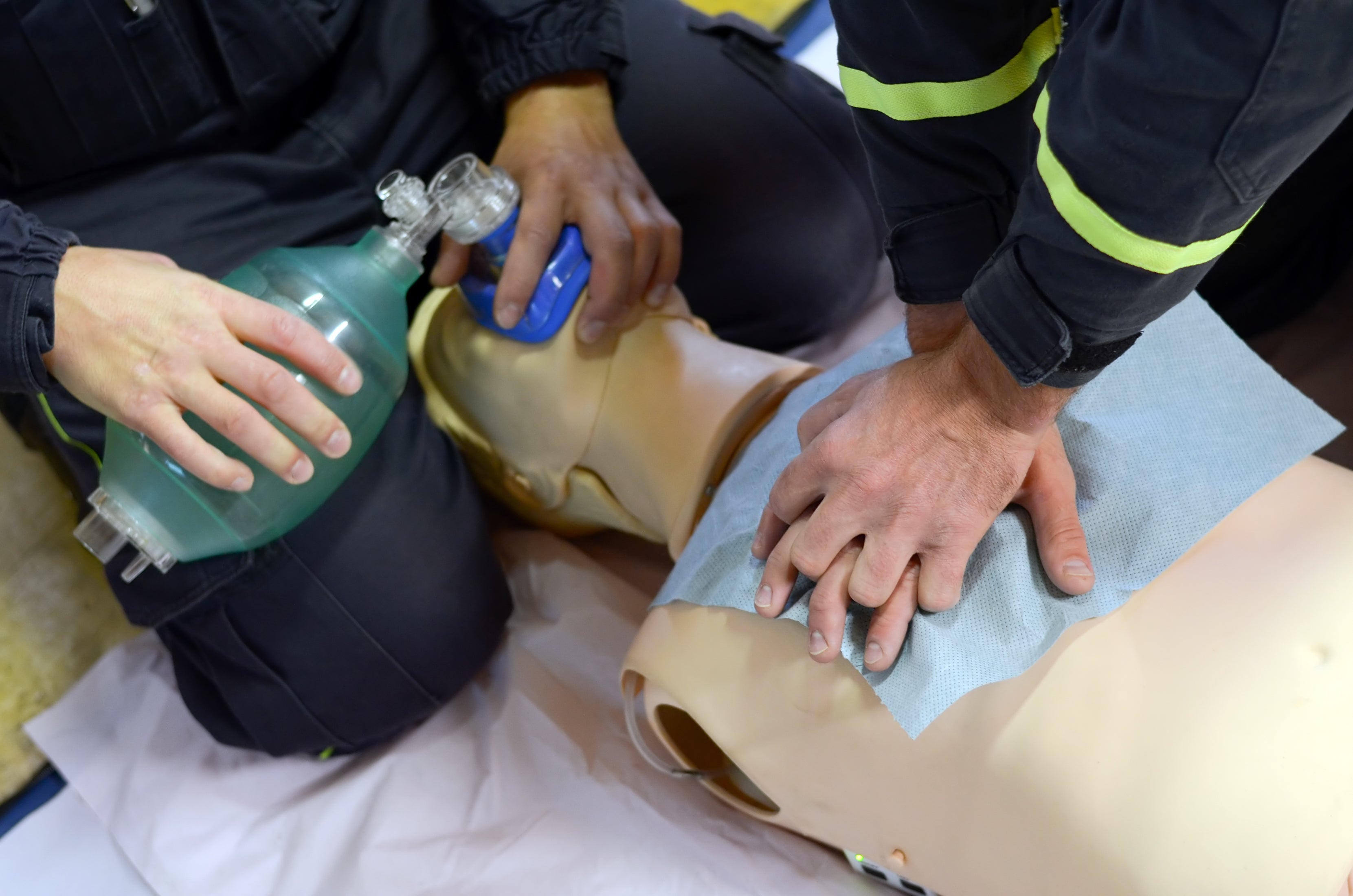
Under the legislation, pupils would be taught how to recognise "life-threatening bleeding" and administer emergency treatment, alongside learning how to effectively respond during a crisis.
The Emergency and Life-Saving Skills (Schools) Bill is scheduled to be debated in Parliament on Friday, but will need government support to pass.
The Bill, put forward by Conservative MP Neil Shastri-Hurst (Solihull West and Shirley), aims to expand upon the life-saving skills currently taught in schools, which already include CPR.
Mr Shastri-Hurst is a former British Army major who also previously served as an honorary consultant trauma co-ordinator at Queen Elizabeth Hospital in Birmingham.
He said: “It’s about stop the bleed training. In a similar way that we have created a critical mass of individuals who know how to do CPR when somebody has a cardiac arrest, and that is in one way, shape or form embedded in the curriculum. Kids leave school knowing that.
“If we can train a critical mass in terms of how to recognise catastrophic bleeding and how to deal with it, that is going to save a huge number of lives, because the average time for, even in an emergency, an ambulance to come is about eight-and-a-half minutes. But you can bleed out in four.”
He added: “I would see people coming into a major trauma centre at the QE in Birmingham, one of the regional trauma centres that we have in this country, in the most acute extremis and if some of those individuals had intervention at the scene prior to an ambulance arriving and that paramedic or pre-hospital care being delivered, it is entirely foreseeable that some of those individuals who didn’t survive, may have survived.
“It would have given them a fighting chance.
“This is literally one of those scenarios where minutes matter.”
The Conservative MP said the charity Citizen Aid had already trained 1,000 children in a school in a single day between him and a couple of volunteers.
Citizen Aid was founded by consultant trauma surgeon Sir Keith Porter and Major General Tim Hodgetts, the former surgeon general for the armed forces.
Mr Shastri-Hurst said the skills could be applied in the aftermath of a range of incidents, from a car crash to a sporting injury or terror attack.
He said the key thing to do in the immediate aftermath if there is serious bleeding would be to apply pressure to stem it.
If that does not work, make a tourniquet with anything appropriate, from a belt to a tie, to a shoelace, and twist it to build enough tension to stop blood flow.
Mr Shastri-Hurst said: “It’s giving people the confidence not just to know what to do, but have the confidence to put that into action.
“It’s a low-tech set of training, you can do most of it with a drainpipe, a bit of foam and, as I say, a tie or a bandage or a handkerchief and a spoon.
“You can do the basic training on stop the bleed in about 10-15 minutes. They then go and explain it to their families, and all of a sudden you are building up a critical mass of individuals who know how to do it.”
He added: “It’s around building up our national resilience, and part of that national resilience is having a society that knows how to respond in an emergency.”
KioskNews shows a cleaned-up reading view extracted from the publisher’s page — the original always lives on their site, not ours.