US stocks drop to their worst day since July as inflation worsens
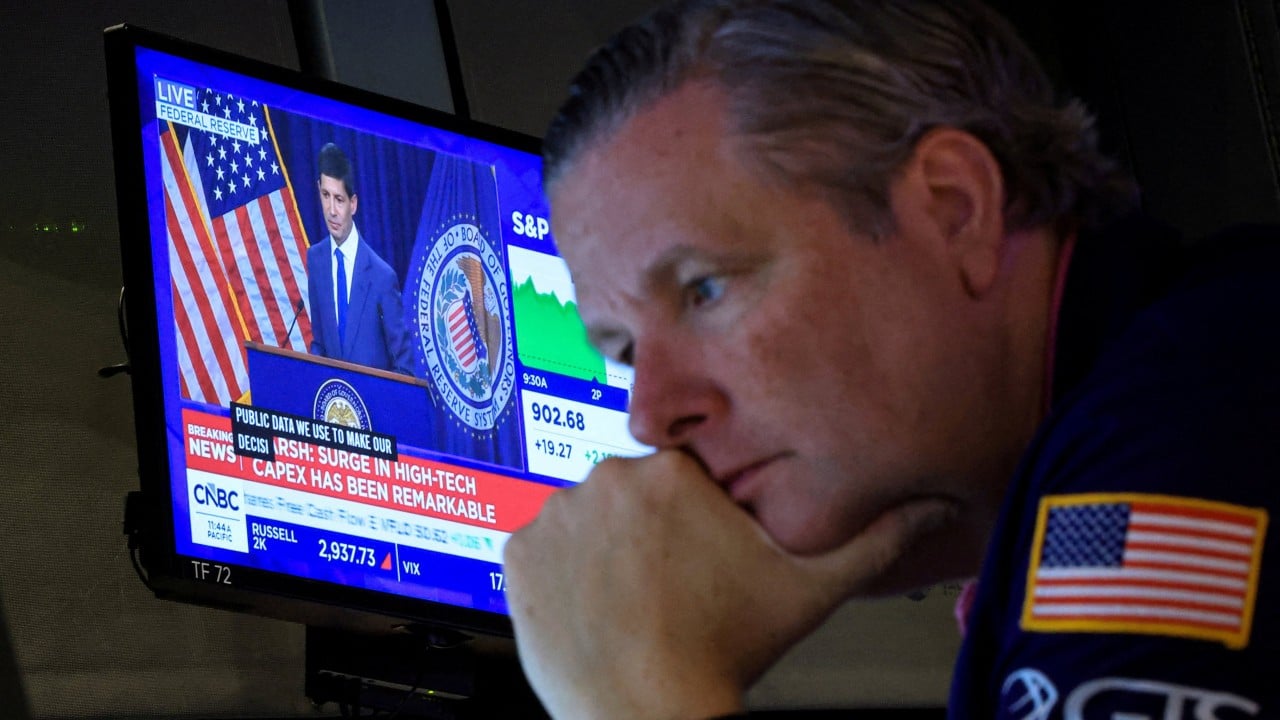
US stocks dropped to their worst day since July on Wednesday, following the latest signal that inflation is getting worse.
The S&P 500 sank 1.1 per cent for a fifth loss in the six days since setting its all-time high. The Dow Jones Industrial Average fell 48 points, or 0.1 per cent, and the Nasdaq composite slid 1.9 per cent as stocks in the artificial-intelligence industry led the way lower.
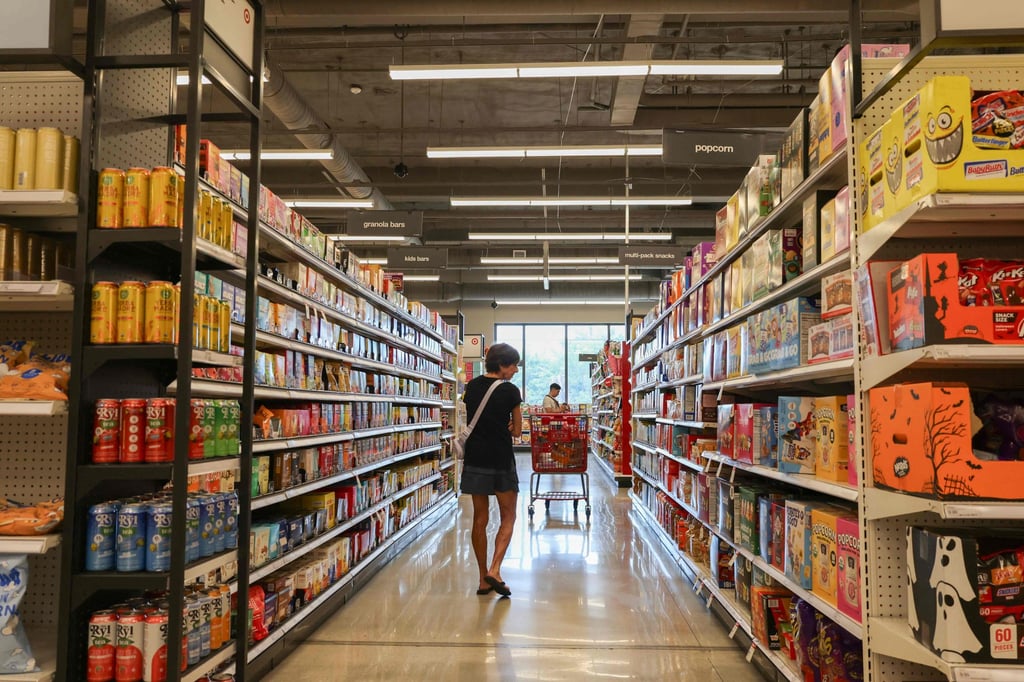
Stocks felt pressure from rising yields in the bond market, where worries grew after a report said US consumers had to pay prices for fuel, food and other costs of living last month that were 3.7 per cent higher overall than a year earlier.
That means inflation accelerated from its 3.4 per cent rate in August and was worse than the 3.6 per cent that economists expected.
Inflation has remained more painful than anyone would like since the economy catapulted out of the crevasse created by the Covid-19 pandemic. It has accelerated recently in part because of jumps in fuel prices caused by the war with Iran, and the price for a barrel of Brent crude added 0.4 per cent Wednesday to US$106.06.
That has added to the long-standing worries about fast-rising debt loads for governments, signals that the US economy is still growing and other factors that have sent bond yields to their highest levels in years.
The centrepiece of the US bond market, the 10-year Treasury, saw its yield briefly jump above 5.32 per cent from less than 5.17 per cent just before the inflation report’s release. It eventually gave back much of the gain.
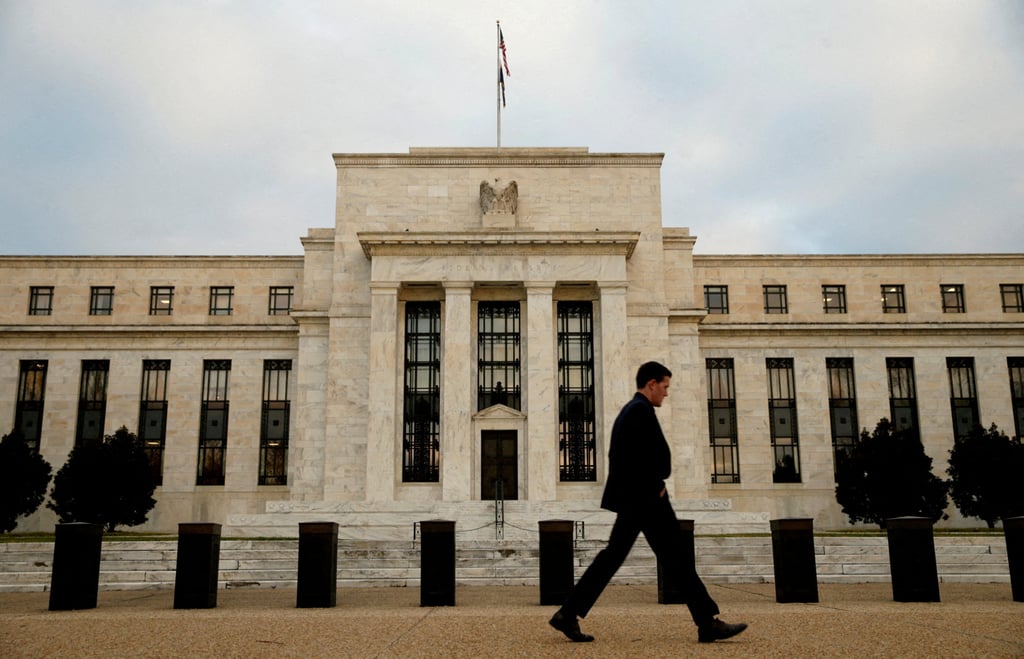
Yields on shorter-term Treasurys had even bigger leaps as traders raised their expectations for coming hikes to interest rates by the Federal Reserve, though they also moderated as the day progressed.
The Fed recently raised the interest rate that it controls, which affects very short-term loans, for the first time in three years in hopes of reining in inflation. Higher rates do that by making it more expensive for everyone to borrow money and slowing the overall economy.
Traders now see a nearly 35 per cent chance the Fed will raise the federal funds rate at its next meeting in two weeks, up from the 22 per cent probability seen a day earlier, according to data from CME Group.
Part of what is keeping inflation high is that Americans overall are continuing to spend, which encourages businesses to keep raising prices for their products and services.
As Americans become more “price-sensitive” and the economy also benefits from greater productivity by workers, Vanguard Senior Economist Adam Schickling said inflation should slow, but “patience will be required”.
Much of Wall Street’s pain on Wednesday was due to drops for companies riding the AI frenzy to huge profit growth and stellar stock gains.
Higher bond yields making borrowing money more expensive could make it more difficult for companies to raise cash to build data centres and fill them with AI chips. Drops of 3.2 per cent for Nvidia, 3.1 per cent for Broadcom and 5.7 per cent for Advanced Micro Devices were among the day’s heaviest weights on the S&P 500.
CoreWeave, which offers AI computing power to customers over the cloud, tumbled 15.5 per cent for its worst day since February. GE Vernova, which is hoping to electrify power-hungry data centres, dropped 6.2 per cent, and Oracle sank 8.8 per cent.
Smaller companies also feel the bite of higher interest rates because many need to borrow to grow. The Russell 2000 index of the smallest US stocks fell 1.9 per cent.
Higher yields in the bond market push downward on prices for all kinds of stocks, and the main way companies can offset that is by delivering bigger profits. That is exactly what analysts are expecting, and it is how the S&P 500 has been able to set records despite the many challenges weighing on Wall Street.
But the high expectations also mean companies are likely to get punished if they fall short of targets for growth.
Bank of America dropped 4.8 per cent after reporting weaker profit and revenue for the summer than analysts expected. The profit would have failed to meet expectations even if the US Treasury Department had not announced US$1.2 billion in fines late on Tuesday for alleged violations of anti-money-laundering and sanctions laws by the bank.
State Street sank 4.1 per cent after reporting weaker revenue for the latest quarter than analysts expected, even though its profit was slightly above their forecasts.
All told, the S&P 500 fell 86.51 points to 7,718.94. The Dow Jones Industrial Average dipped 48.62 to 51,621.48, and the Nasdaq composite sank 511.51 to 26,692.87.
In stock markets abroad, indexes ticked higher in Europe following a weaker finish in Asia. They rose 0.7 per cent in London and fell 0.9 per cent in Shanghai for two of the world’s bigger moves.
KioskNews shows a cleaned-up reading view extracted from the publisher’s page — the original always lives on their site, not ours.