Gen Z and the politics of spontaneity are here to stay
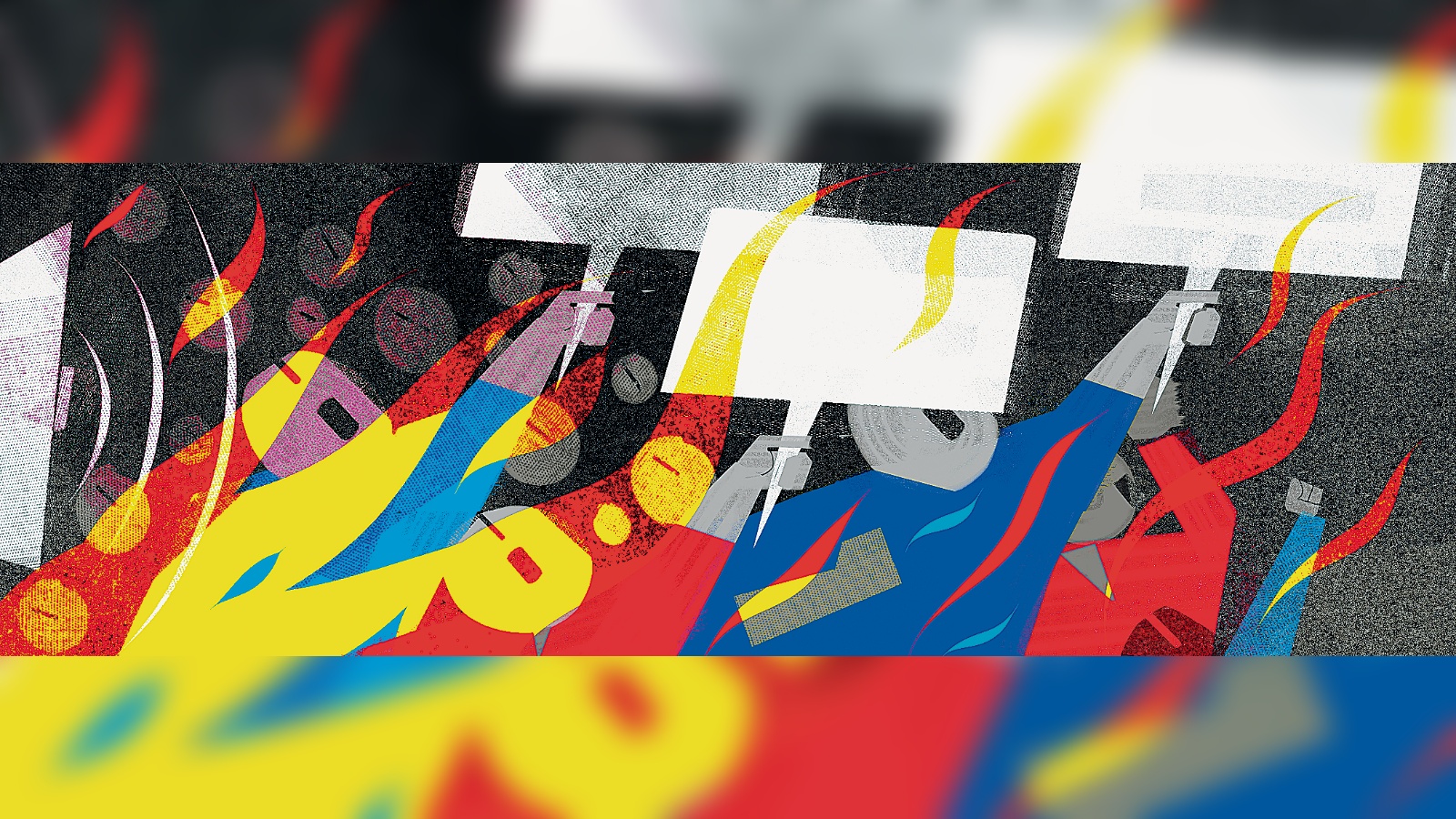
Out of protest and agitation, a new grammar of politics has been born. Two defining images capture this shift. On her visit to Delhi to join the INDIA rally at Ramlila Maidan, former Bengal Chief Minister Mamata Banerjee, a street fighter for five decades, made it a point to meet Abhijit Dipke of the Cockroach Janta Party and applaud the Gen Z activists. During the Opposition protests, 29-year-old CPI(ML) leader Neha Bora strode out in front with Rahul Gandhi. India’s democracy has discovered the power of a young and impatient demographic that no party can afford to ignore.
Today, Gen Z — at least one in every four eligible voters will be aged 18-29 in 2029 — is helping shape the political conversation and even, as seen in Tamil Nadu, determining election outcomes. Chief Minister Vijay may have benefitted from his superstar appeal but his defining badge was his freshness, a leader who wasn’t weighed down by family legacy, divisive rhetoric or ideological dogmas. Simple messaging through Insta reels trumped the traditional Dravidian pitch.
Indian politics has always belonged to the veterans. With a few exceptions, it has been a closed-door, senior establishmentarian club, and youthful leaders have been viewed with suspicion. The young have been followers, youth have mostly waved flags, filled maidans and shouted zindabad. Every party has a youth outfit, but these have not usually taken leadership roles.
A 76-year-old prime minister, Narendra Modi, talks of “yuva shakti” but his cabinet has only one minister under the age of 40. Even when Modi addresses a college-going audience, he uses the youth as a mute backdrop to strut his own personality cult. In 2014 when Modi first stormed to power, first-time voters chose the BJP over Congress by two to one. Twelve years later, a generation that has come of age under Modi is out on the streets. The young are India’s most restless constituency.
Some political figures have given youth their due. Sanjay Gandhi bears a contested legacy, but was the pioneer of youth politics, putting the Youth Congress at the centre of power. Rajiv Gandhi, PM at 40, encouraged young leaders and lowered the voting age to 18. Yet the true precedent of youth activism was Mamata Banerjee, a Youth Congress firebrand who, at 29, defeated the Left stalwart Somnath Chatterjee in Jadavpur in 1984.
Today more and more public space is being seized by younger voices. Why? The first reason is the media revolution. Instagram and the new media have democratised the public square. In an era of “hyper politics” and “hyper media” — where communication and activism connect with individuals rather than mass audiences, a meme travels faster than an old-style rally. The online world is lively, young and free of gatekeepers. Neha Bora as well as the CJP are Instagram sensations. On NEET, the cockroaches captured the pulse because they gave students a new language, a new identity and a new way to claim the power of citizenship. Be a cockroach, be fearless, challenge the mighty and laugh a lot. Satire and laughter are subversive, liberating devices. Staid public discourse is helpless against their power.
The second reason is that issues have changed. Old-style politics is all too often trapped in debates that don’t resonate. It is jobs, examinations, and the right to free expression that define young lives. The examination is a life event and a leaked paper is a fundamental betrayal. These are issues that are slowly cutting across the old divides. Caste and religion remain important, but they can no longer be assumed. A leaked paper does not check your surname. Identity politics alone cannot reassure a generation whose anxieties rise above it.
The third reason is the rise of the politics of spontaneity. The trope that the youth always follow the leader is collapsing. The long, rambling speech is dying. Communication must be quick, authentic and real. This is politics without hierarchies. The young want leaders who do not talk down to them, but are with them.
This cannot be achieved through choreography of the Modi kind. At the SRCC centenary in September, Modi arrived by Metro, and called the college’s alumni “OG”. In July, Modi’s midnight vertical video became a meme by morning. That brand of politics is, at heart, anti-young: The audience is expected to watch, never to talk back or ask questions. A generation raised on filters can recognise a filter when it sees one.
The energies of the young are indispensable to the Opposition’s campaign for the restoration of democracy. Yet spontaneity also needs deliberation. A meme can remove a minister but winning a constituency takes organisation. That is what the established parties can still offer when they share the ticket and the stage. The new grammar has a simple first lesson for the old guard. Stop talking. Start listening. It’s done, Bro. Gen Z and the politics of spontaneity are here to stay.
KioskNews shows a cleaned-up reading view extracted from the publisher’s page — the original always lives on their site, not ours.