Kylian Mbappe and the other celebrities and brands blacklisted by China
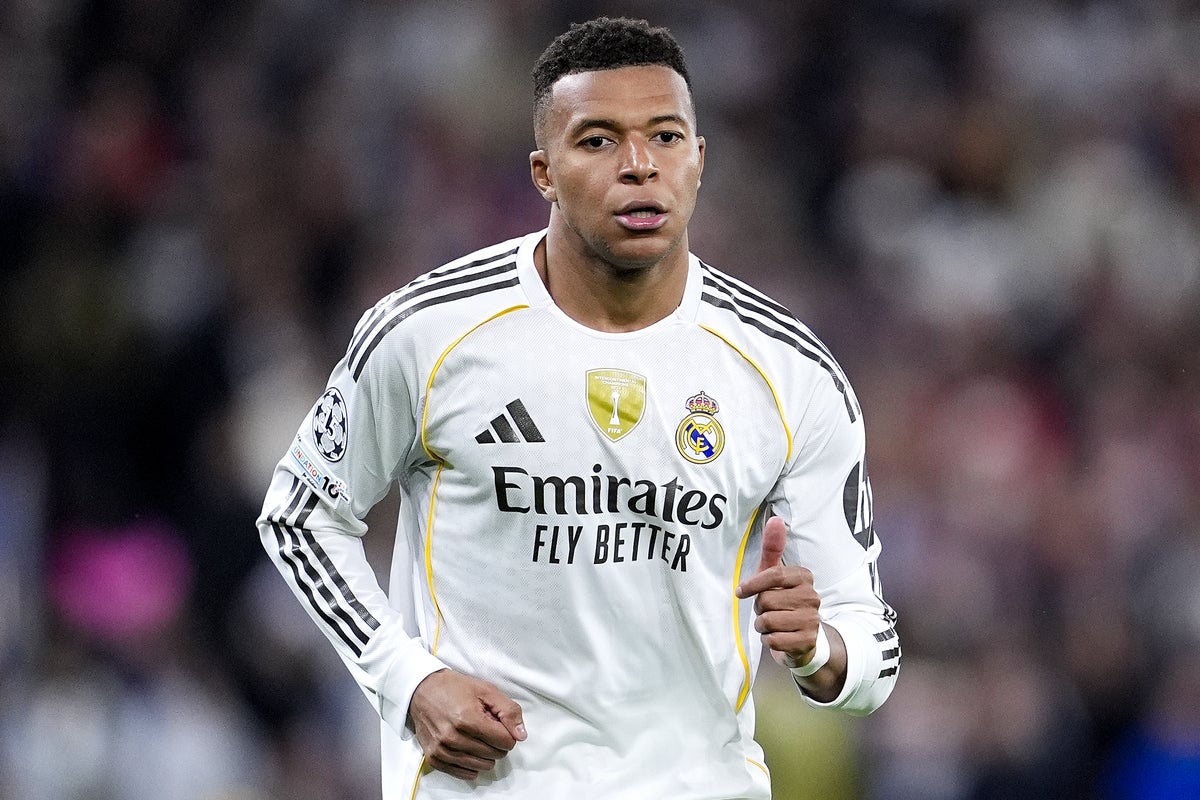
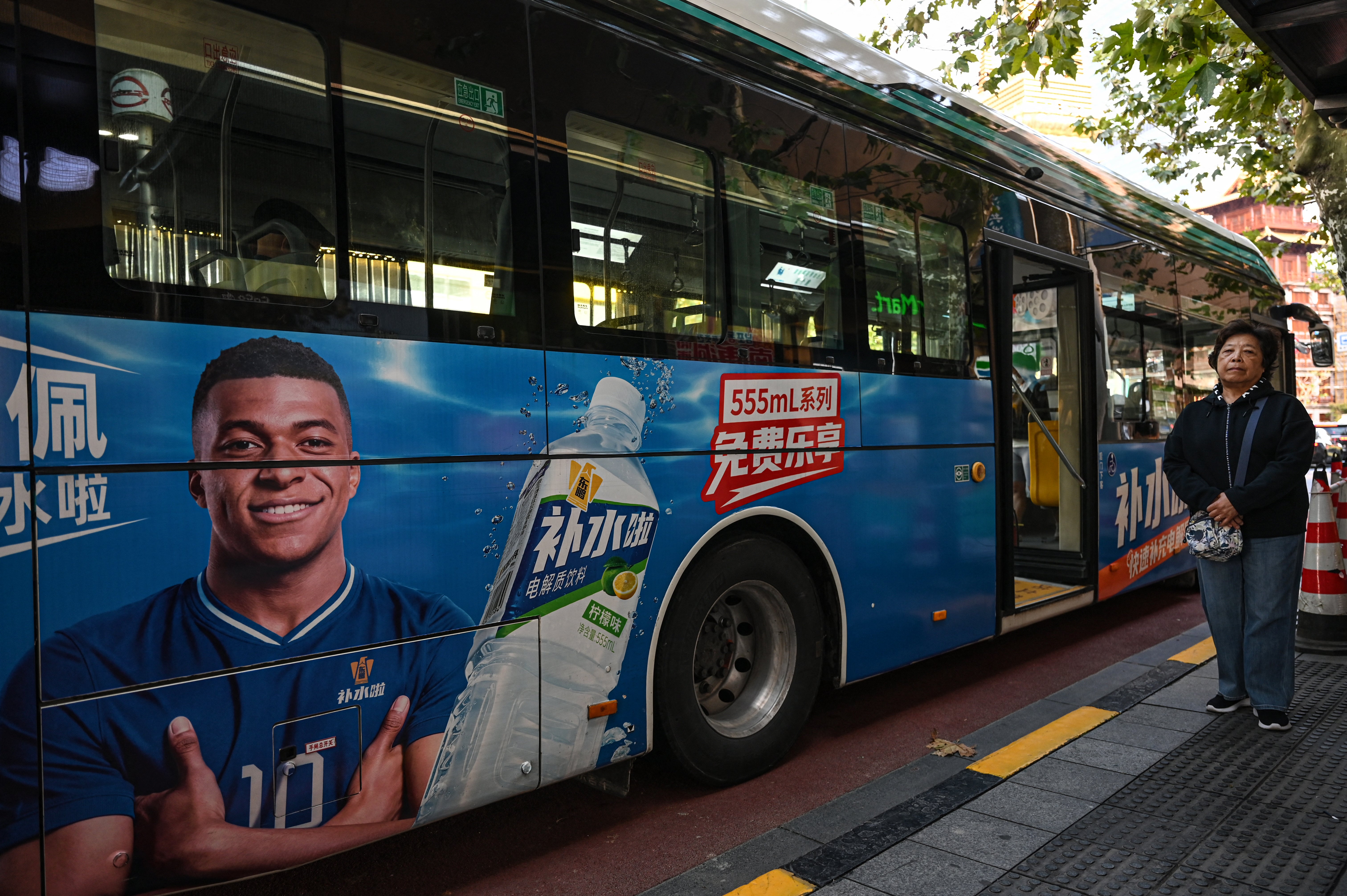
Kylian Mbappe has become the latest in a long list of people and brands to be blacklisted by China after facing significant backlash.
The French footballer was recently dropped by a number of Chinese brands for apparently joking about Mao Zedong in a video that has since gone viral.
The offending video shows Mbappe saying that the funniest internet meme he had ever seen involving him was of his face photoshopped onto that of “some guy - I think he’s a Chinese dictator”, referring to his face superimposed onto an image of Mao.
As well as the brand drops, there were also signs of bigger consequences as state-run Chinese digital newspaper The Paper reported that public TV has been suspended from broadcasting La Liga matches, which Mbappe is involved with as a Real Madrid player.
Some of the most notable brands that have faced significant backlash in China over their ads or views on geopolitical and human rights questions include:
Dolce & Gabbanna
The fashion brand cancelled a Shanghai show in 2018 after a backlash from Chinese celebrities and on social media over ads that showed a Chinese woman struggling to eat pizza and spaghetti with chopsticks.
Swatch
The watchmaker in August 2025 apologized and took down ads featuring an Asian male model pulling the corners of his eyes up and backwards in a "slanted eye" pose.

Coach and Givenchy
Chinese brand ambassadors of fashion labels from Coach and Givenchy cut ties with the companies in 2019 over products they said went against China's sovereignty by identifying Taiwan and Hong Kong as countries.
Marriott
Marriott apologized in 2018 after a customer questionnaire listed Tibet, Hong Kong, Macau and Taiwan as separate countries, provoking an outcry and triggering an investigation by Shanghai authorities.
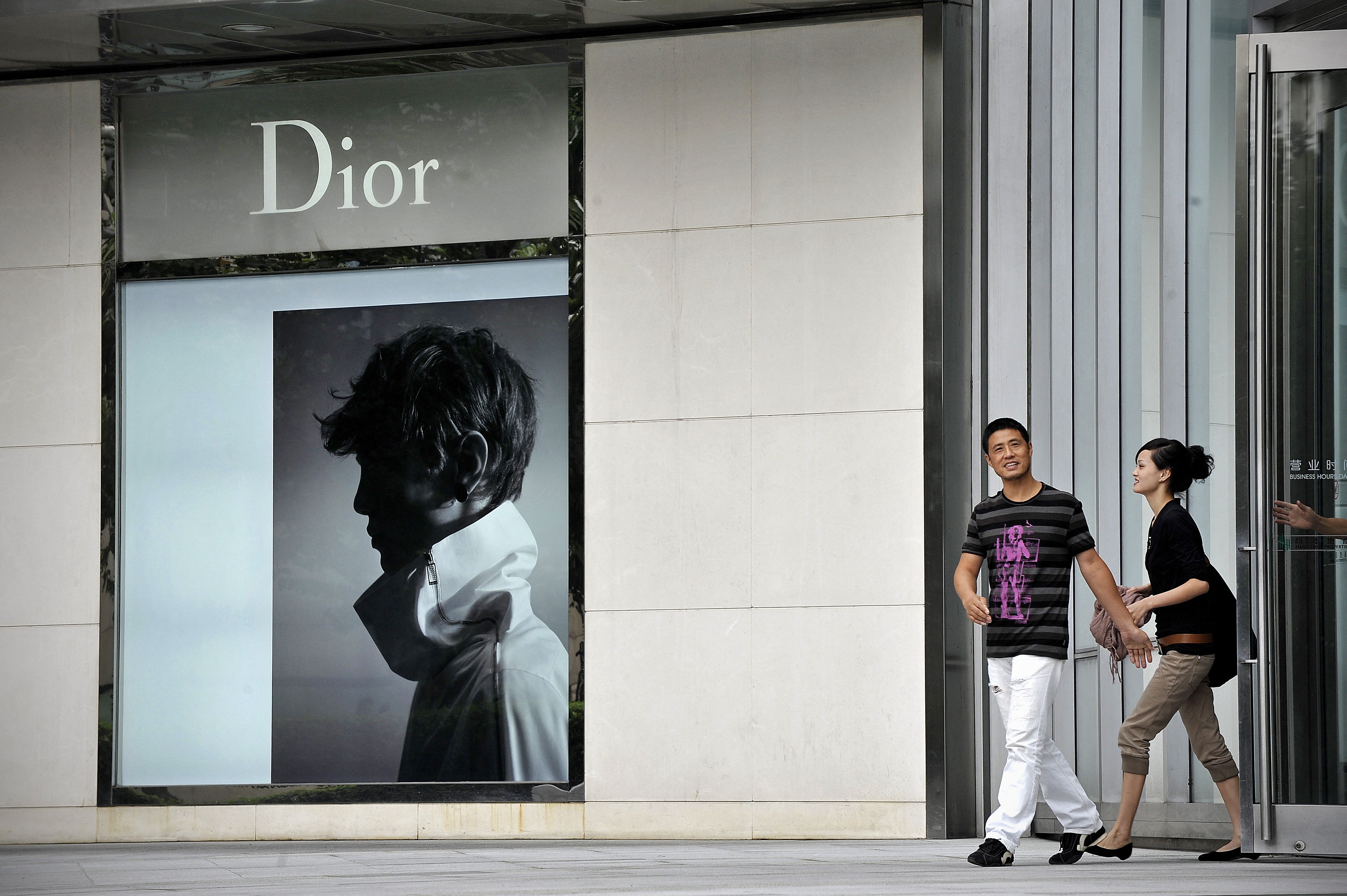
Christian Dior
An image shown during a Dior presentation that excluded Taiwan from a map of China sparked criticism on social media in 2019. The luxury brand apologised and reaffirmed its support for the "One China" principle.
Versace
Brand ambassador Yang Mi ended her partnership with the luxury group in 2019 after a Versace T-shirt was widely criticized for identifying Hong Kong and Macau as countries. The group said it had stopped selling and destroyed the T-shirts.
Victoria’s Secret
In 2017, model Gigi Hadid and singer Katy Perry were unable to attend the underwear brand's Shanghai fashion show following criticism over their actions seen as supportive of Taiwan.
Mercedes
The carmaker apologised to Chinese people in 2018 after quoting the Dalai Lama in an Instagram post alongside one of the brand's luxury cars.
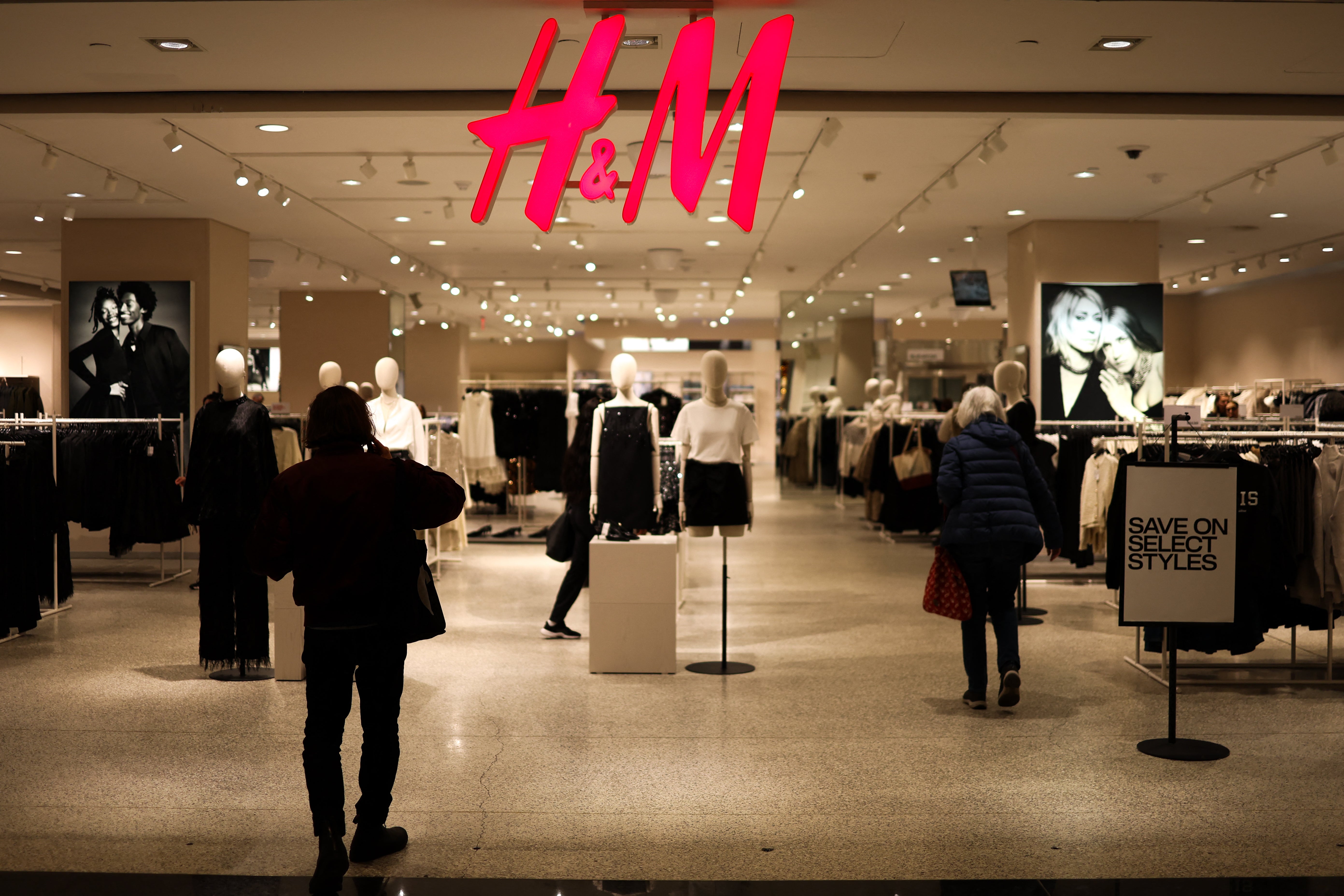
Burberry, Adidas, Nike and H&M
In 2021, fashion giants were caught up in online attacks and boycotts of Western brands over past statements saying they would not source cotton from Xinjiang after reports of human rights abuses against Uyghur Muslims.
Beijing denies any such abuses. Burberry lost a brand ambassador and its hallmark tartan design was scrubbed from a popular video game, while H&M became the focal point of the consumer boycott and was removed from major Chinese online platforms.
Chinese actor Wang Yibo ended his collaboration with sportswear brand Nike, while sales of rival Adidas were also hit by boycotts.
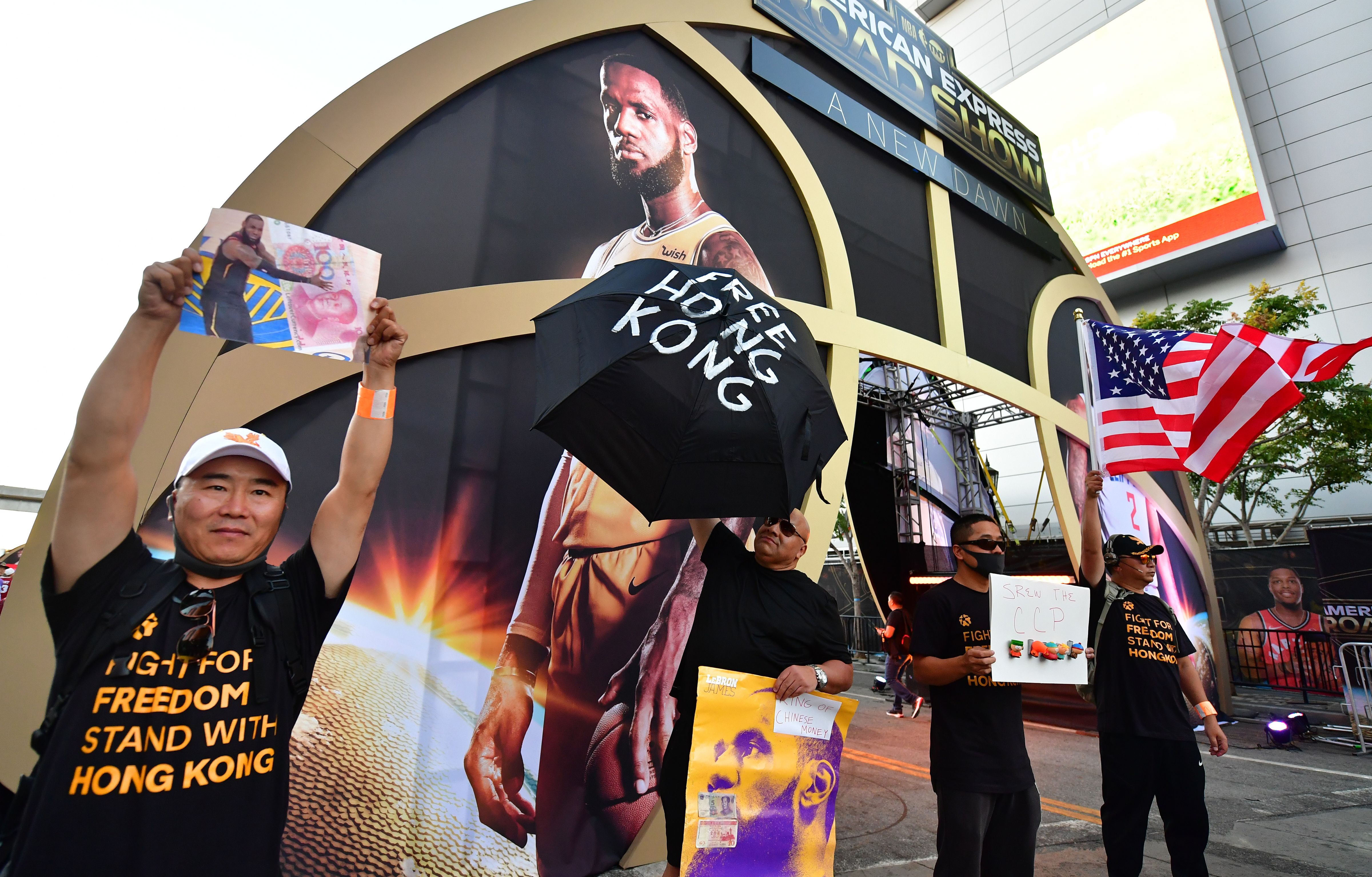
NBA
In 2019, a Houston Rockets official posted a tweet in support of Hong Kong democracy protests, angering Beijing, Chinese fans and the team's partners in a key market.
The NBA said in a statement it regretted the tweet, which sparked criticism in the US over what some US senators called censoring of free speech.
The incident rocked the NBA's decades-long partnership with Chinese state broadcaster CCTV, leading to an 18-month blackout that ended in 2022.
The league had also staged several preseason games in China but the saga forced that tradition into a six-year hiatus, with the league returning to play in Macao in 2025.
KioskNews shows a cleaned-up reading view extracted from the publisher’s page — the original always lives on their site, not ours.