Hardly any buyers for Singapore luxury condos seized in money-laundering case
More than 60 people crowded into a room in Singapore to watch seven properties seized in one of the world’s biggest money-laundering cases go under the hammer. Their opening prices totalled more than S$43 million (US$33.6 million). But when bidding began for a luxury unit at Gramercy Park, an upscale condominium near the city state’s Orchard Road shopping district, not a single hand went up.
Next came a 2,658 sq ft (247 square metres) marble-clad unit with a private lift for S$7.55 million. Seven minutes of awkward silence passed before someone offered S$4 million. The room erupted in laughter and the bid was quickly rejected. An hour later and all seven properties remained unsold.
Three years after a S$3 billion money-laundering case stunned Singapore, the government is selling more than 80 properties and over 1,000 designer purses and jewellery forfeited from 10 convicted China-born launderers and other foreign nationals linked to the gang.
The auctions have drawn interest from a public keen for a glimpse into the criminals’ lavish lifestyles. Yet the unsold properties point to a softening of Singapore’s luxury housing market, where government policies have thinned the pool of wealthy foreign buyers while local bidders prove reluctant to meet the sellers’ asking prices.
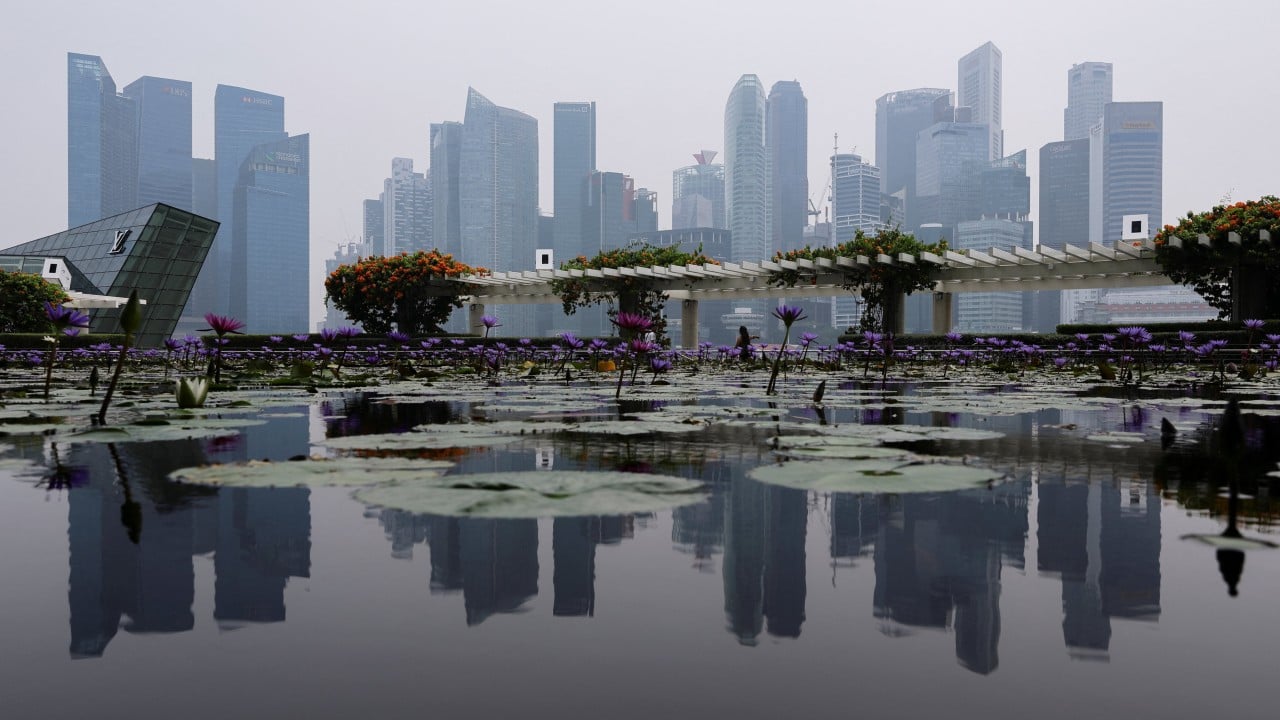
Of the over two dozen properties offered at auction in recent weeks, only four luxury flats have sold via that format. Two units at Martin Modern, near the Singapore River, fetched S$2.12 million and S$2.08 million, close to their previous transaction prices. Two units at Wallich Residence, which occupies the upper floors of Singapore’s tallest skyscraper in the downtown business district, sold below their opening prices for S$6.6 million and S$5.48 million.
“People often go to auctions with the mindset of ‘I’m looking for a bargain’,” said Nicholas Mak, chief research officer of Mogul.sg, a local property portal. With reduced transaction volumes in the luxury property sector, bidders are more likely to hold out for a good deal, he said. “It’s becoming a buyer’s market.”
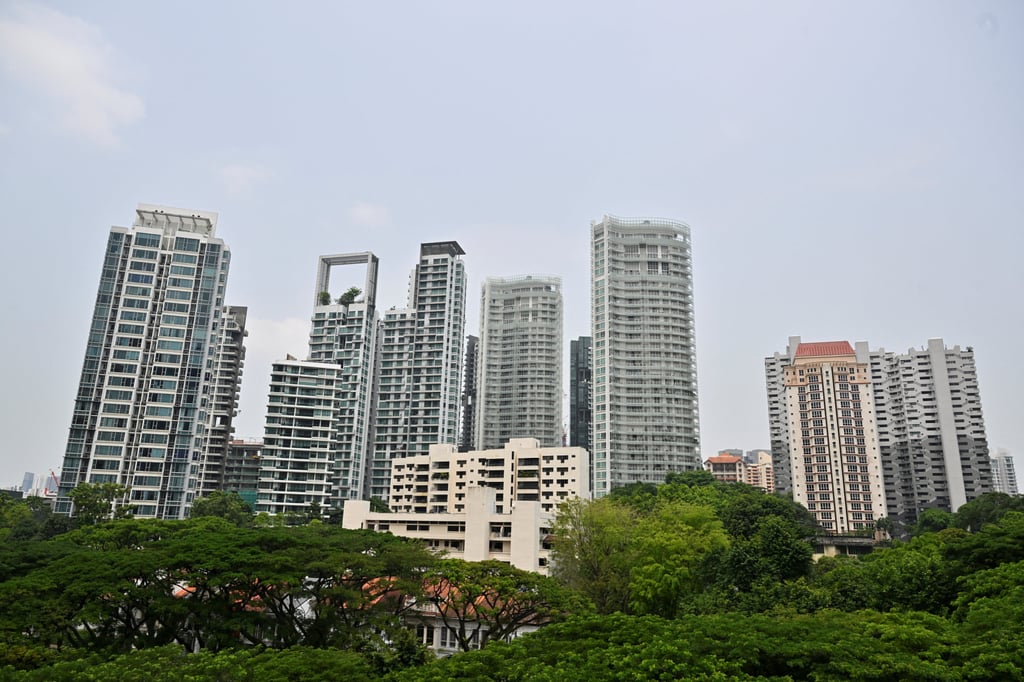
Part of the problem is that the pool of possible buyers is limited. Most foreigners in Singapore face a 60 per cent additional buyer’s stamp duty on residential purchases, one of the most extreme examples of a slate of government efforts to calm soaring housing demand in recent years. Meanwhile, fewer local buyers can afford homes priced in the eight figures, Mak said.
Auctioneers are betting on the fact that Singapore’s private property market continues to attract a fair bit of interest despite the curbs, with a price index for private property prices accelerating at the fastest quarterly pace since 2024.
Sales during the quarter declined by about 30 per cent from the preceding three months. That is also coming up against pockets of weakness in some major luxury districts the gang bought heavily into. On the resort island of Sentosa, for example, unit prices of villas in the enclave have fallen by around 11 per cent in the last decade through 2025.
That has reflected in some properties already advertised at lower prices. Lin Baoying, one of the people convicted in the case, paid nearly S$29 million for two detached houses in Sentosa in 2021. A property broker is offering them at a combined guide price that is more than S$6 million cheaper, according to marketing materials seen by Bloomberg News.
Deloitte’s Singapore unit, which is overseeing the liquidation, is releasing assets in phases through mid-2027. Repeated failures to sell may encourage buyers to wait for further cuts, Mak said. But lowering prices too quickly presents its own difficulty. “The sellers may have to be a bit more dynamic, but they cannot be seen to be desperate to sell,” he said.
More than 200 properties, many situated in prime locations like Orchard Road and Sentosa, were seized by authorities after over 400 police officers conducted raids across the island in 2023.
The launderers became known as the “Fujian Gang”, as all of the convicted individuals hail from that southern province in China. The scandal also embroiled some of the biggest financial institutions in Singapore. Nine firms, including Credit Suisse, United Overseas Bank and Citibank, being ordered to pay a combined S$27.45 million in penalties for breaches of anti-money laundering requirements linked to the saga. The case’s notoriety has proved part of the attraction for buyers chasing the smaller spoils.
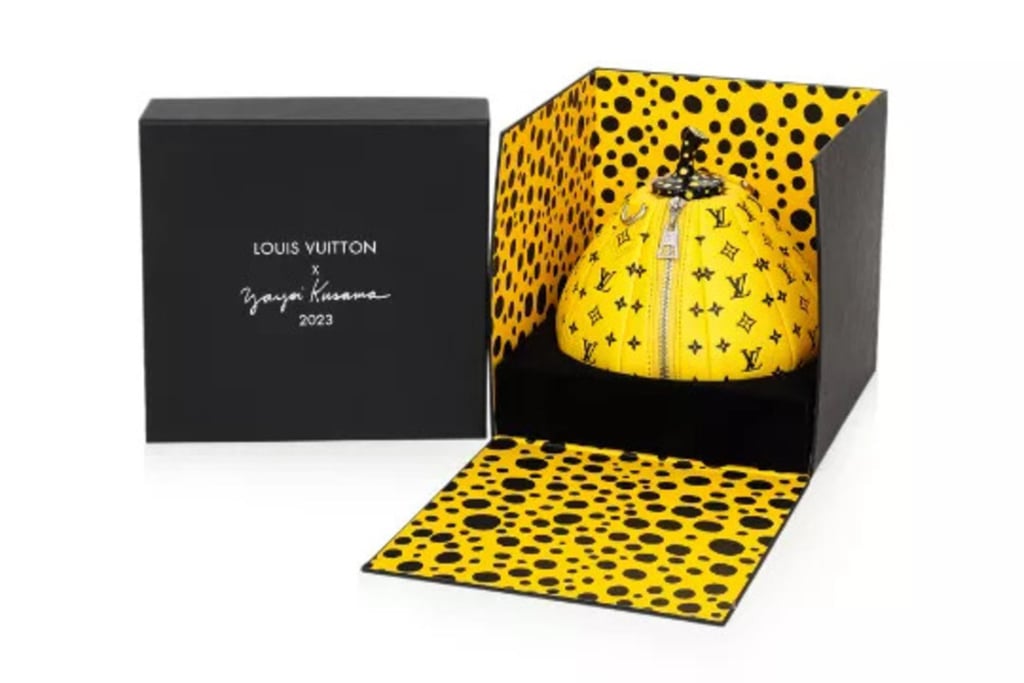
At a sale run by auction house Hotlotz, every luxury goods lot found a buyer. A limited-edition Louis Vuitton bag shaped like a pumpkin, designed in collaboration with the late Japanese artist Yayoi Kusama, had been estimated at S$12,000 to S$16,000. It drew 81 bids and sold for S$87,000.
Sue Jean Tay, 38, had placed an online bid of S$3,600 for a butterfly-shaped Graff ring set with diamonds and emeralds. By the time she inspected it in person days later, 15 other bidders had joined in and the price had reached S$8,000.
A jewellery enthusiast who is professionally trained in grading diamonds, Tay said part of what makes jewellery interesting is the story behind each piece. She had already pictured herself explaining the ring’s provenance: “Oh, you know, just from the biggest money laundering case in Singapore.”
A rare luxury product can prompt buyers to act in an auction because they do not know when another will appear, said Olivier Gergele, EY-Parthenon’s Asean and Singapore consumer products and retail leader. By contrast, property markets tend to be more anchored to valuation, he added. “Even if there is significant buyer interest, they typically stop bidding once the price exceeds their assessment of fair value.”
So far, about S$1.4 billion in cash and proceeds from assets already sold has gone into the government’s consolidated fund – the equivalent of its bank account – according to police figures through the end of March. That is more than the roughly S$1.07 billion the government allocated for cost-of-living vouchers for citizens in the last financial year. Maintaining and managing the seized assets cost police S$5.26 million over the three financial years through March 2026.
Another 14 Hotlotz auctions are planned, with the next one scheduled for November. Coming rounds will feature Hermes handbags and watches from Patek Philippe, Richard Mille and Rolex. Dozens of properties also remain. The question for their sellers is whether the buyers will meet the prices.
“There has been a lot of hype generated,” Tan Tee Khoon, Knight Frank Singapore’s head of auction and sales, said after the first seven properties failed to find buyers. “Some of them literally tell me, ‘I just want to come and see.’”
KioskNews shows a cleaned-up reading view extracted from the publisher’s page — the original always lives on their site, not ours.