111 lawmakers switched sides after elections in 2022-2026, says ADR report
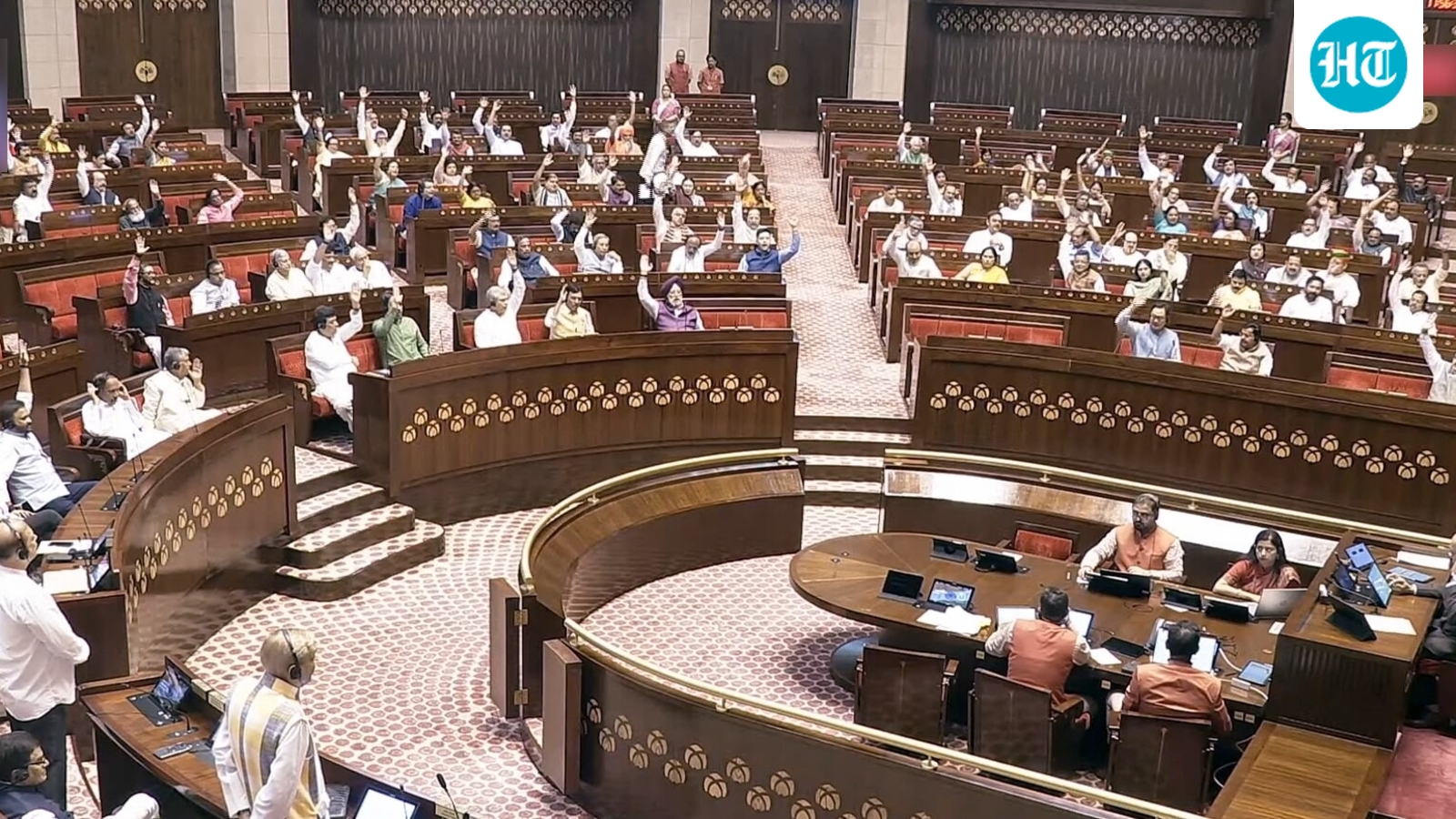
At least 111 sitting lawmakers across Parliament and state assemblies switched political parties after winning elections between 2022 and 2026, a report by the advocacy group Association for Democratic Reforms said
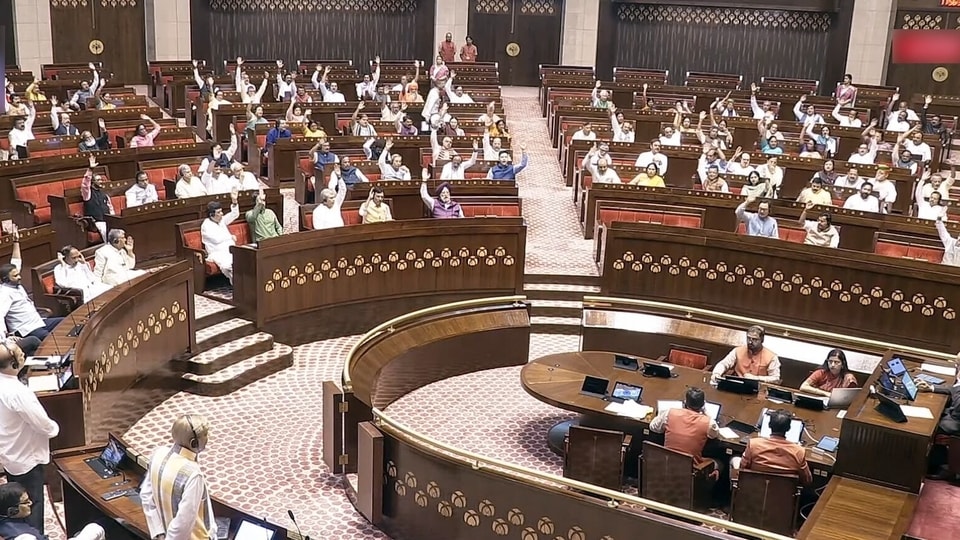
The report said the 111 elected representatives included 26 members of the Lok Sabha, 7 members of the Rajya Sabha, and 78 state legislators.
Nagaland recorded the highest number of political realignments, with 32 lawmakers (29%) switching sides, largely driven by regional realignments. West Bengal followed with 20 switches (18%), while Telangana saw 9 lawmakers change affiliations.
Also Read | ‘Ghar wapsi won’t save you’: SC upholds disqualification of MLA who quit BRS
The Nationalist Democratic Progressive Party (NDPP) of Nagaland saw the largest exodus, with 25 lawmakers (23%), followed by the All India Trinamool Congress (AITC) with 20 (18%) and the Congress with 19 (17%).
Together, these three parties accounted for nearly 58% of lawmakers switching parties. The list includes 20 Lok Sabha MPs elected on tickets of the Mamata Banerjee-led Trinamool Congress, who have claimed to have merged with the little-known Nationalist Citizens Party of India (NCPI). Lok Sabha speaker Om Birla is yet to rule on the merger request.
Other parties included the Bharat Rashtra Samithi (9), Aam Aadmi Party (7), Nationalist Congress Party (7), and Shiv Sena (UBT) (6).
Also Read | 17 NCPI MPs to join BJP before Durga Puja: Rebel TMC MP's big claim
ADR said that while the principles of democracy rely upon ‘government of the people, by the people and for the people’ where ‘interest of citizens’ is of paramount importance, this fundamental principle has been skewed by the failing standards of ethical and moral propriety in India’s parliamentary democracy.
“The ‘Aaya Ram, Gaya Ram’ syndrome and the never- ending ‘hunger for power and money’ have become a common practice amongst our legislators and political parties,” the group said in a statement.
Also Read | Anti-defection law: Why 20 Trinamool leaders joining a party with no MPs is a constitutional puzzle
Seeking changes to the existing anti-defection provisions, ADR recommended a bar on appointment of turncoats to public offices, requiring the President rather than the presiding officer to decide disqualification requests for defection on the advice of the Election Commission and designating political parties as public authorities under the right to information law.
KioskNews shows a cleaned-up reading view extracted from the publisher’s page — the original always lives on their site, not ours.