Trump said weighing who to scapegoat for Iran war as he clashes with PM over renewed attack
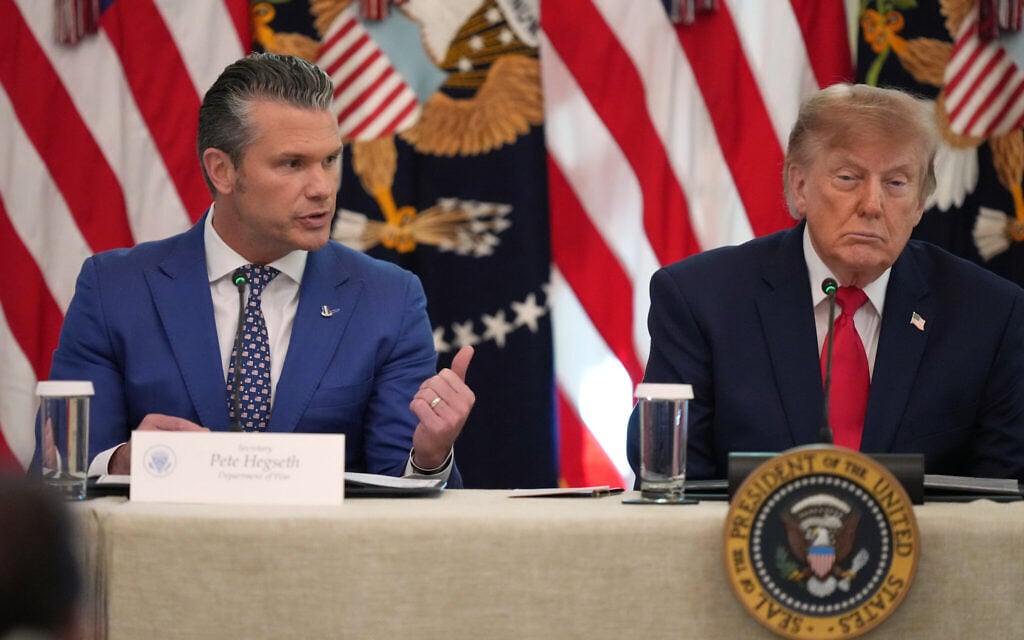
US President Donald Trump may scapegoat his defense and military chiefs for the state of the Iran war, according to a Sunday report, even as he considers resuming attacks on the country following the US midterm elections on Tuesday.
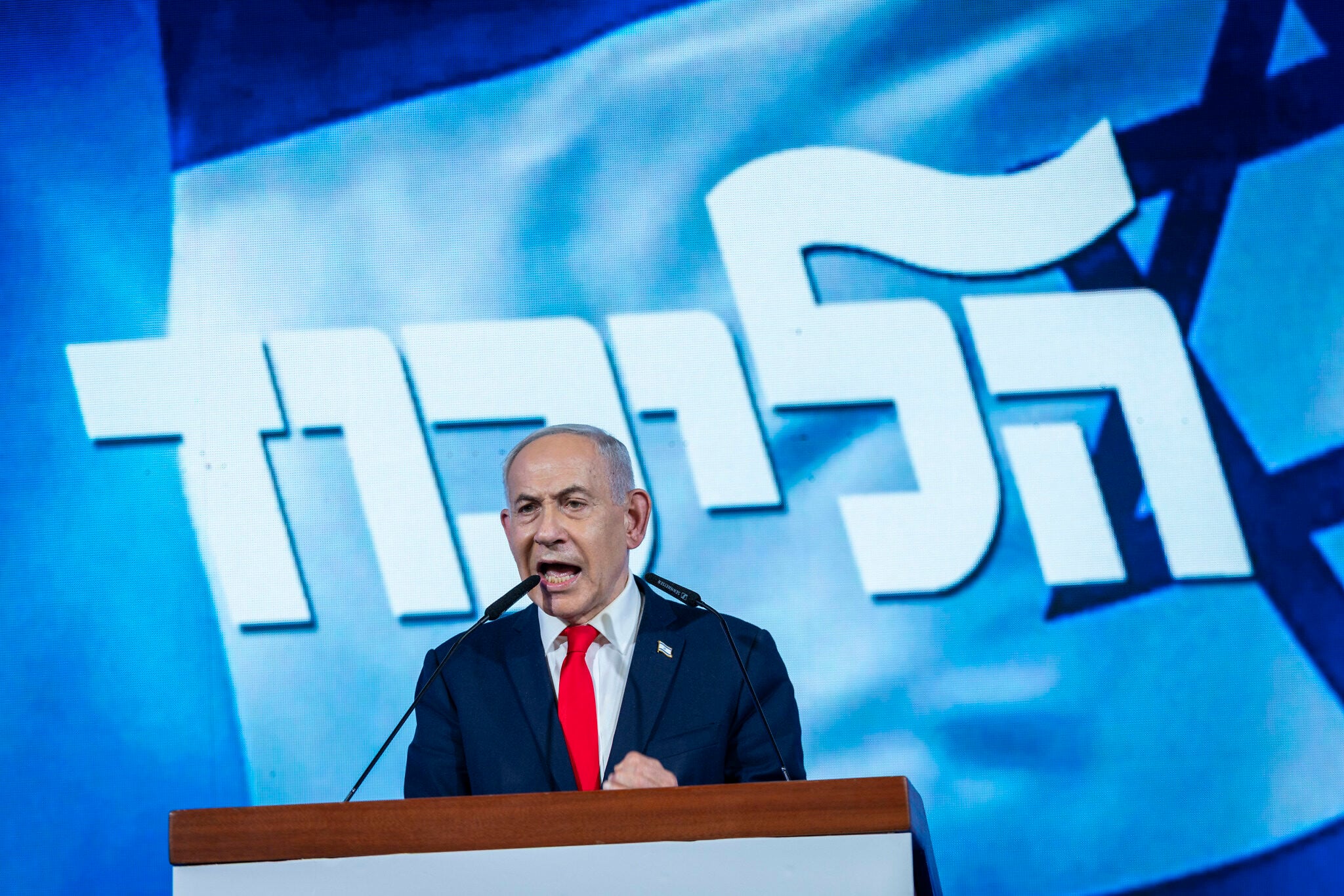
Trump reportedly clashed with Prime Minister Benjamin Netanyahu over that question in a phone call over the weekend, the latest in a series of disagreements they have had about whether to attack. The premier — who is in a precarious position after losing his majority in the Knesset in Tuesday’s election — was said to have pushed for a return to strikes, while Trump favors giving more time to negotiations.
The war is deeply unpopular in the United States, and with no resolution to the conflict in sight, is expected to hurt Trump’s Republican Party in Tuesday’s votes for the US Congress. Oil prices have risen as Iran continues to obstruct shipping in the Strait of Hormuz.
0:00 / 0:00
Promoted: American Technion Society

Against that backdrop, according to The Atlantic magazine, Trump is looking for someone to blame for the course of the war and is speaking with advisers about Defense Secretary Pete Hegseth and Gen. Dan Caine, chair of the US Joint Chiefs of Staff. Both have been leading advocates of the war.
Trump’s anger has reportedly grown since his advisers mistakenly assured him ahead of the war’s start in late February that it would be over long before the midterms.
Get The Times of Israel's Daily Edition by email and never miss our top stories
By signing up, you agree to the terms
Citing two unnamed sources outside the administration who are close to Trump, the report said Trump is asking about Hegseth and Caine’s job performance, though it did not indicate that he is on the verge of firing either. The report added that Hegseth is unpopular in the White House and has been providing Trump with rosy assessments of the fighting.
“Hegseth is good at telling the president what he wants to hear,” one of the outside advisers told The Atlantic.
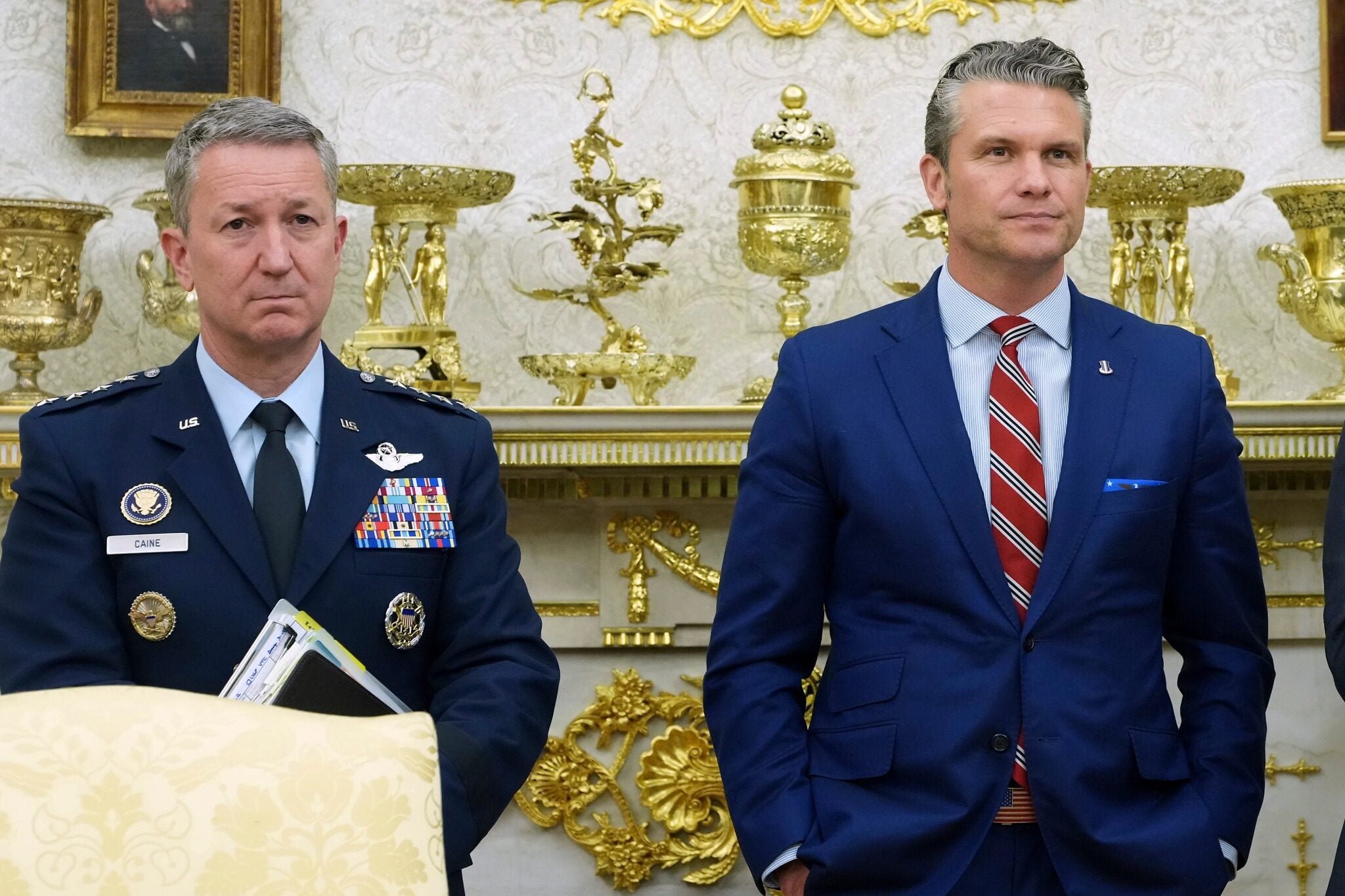
Hegseth has also fired the Pentagon’s top military planner, Army Lt. Gen. Brett Sylvia, with Caine’s office appearing to be out of the loop by first issuing a statement thanking him for his decades of service, only to say later that the previous statement “did not appropriately reflect the full circumstances.”
Trump, Netanyahu clash on ‘tough’ phone call
At the same time, however, Trump is still publicly floating a return to strikes on Iran after the midterms. In a phone call on Saturday, he once again clashed with Netanyahu over whether to renew attacks, Axios reported.
In a conversation sources described as “tough” and “direct,” Netanyahu pushed Trump to restart the campaign, while Trump wanted to allow more time for negotiations over the war to play out.
Trump, on Sunday, confirmed having a “very good talk” with Netanyahu but declined to divulge what they talked about, beyond confirming that Iran was among the topics. Earlier reports did not indicate any disagreement between the two leaders during the call.
A day earlier, speaking to reporters, Trump said negotiations with Iran were “going fine” but that the Islamic Republic was “not very reliable.”
“We still have to take care of, I would say, one or two sites, but we can do that in 10 minutes,” he said. “You probably could look at Pickaxe Mountain, and you have to take care of that.”
Pickaxe Mountain has been flagged by Western intelligence as a site likely used to store nuclear material, and has not been struck yet by the US in the war.
Throughout the war, Trump has mused publicly about resuming attacks on Iran, including hitting Pickaxe Mountain, and has repeatedly threatened major attacks, only to later back down. Last week, he indicated that the US and Israel could resume the strikes, saying prior to the election that they must “finish the job.”
Netanyahu reportedly pushed for strikes prior to the election, but Trump, as well as IDF Chief Eyal Zamir, pushed back. For now, according to a Channel 12 report on Sunday, Trump wants Israel to refrain from interfering with the diplomatic effort.
Qatari mediators have held talks with Iranian officials in Doha for three consecutive days while maintaining direct contact with US Vice President JD Vance and Trump’s top envoys Steve Witkoff and Jared Kushner, the report added. The prime minister is wary of the talks, the network said, fearing they could lead to a dramatic easing of pressure on Iran.
The White House and Prime Minister’s Office declined to comment on the report.
World’s energy supply buffers eroded — UAE oil exec
Meanwhile, conflict is continuing in the Strait of Hormuz, which Iran has sought to obstruct since the beginning of the war. The US has blockaded Iranian ports in response.
Iran’s Islamic Revolutionary Guard Corps Navy said two oil tankers “exploded” after striking mines while traveling through an “unauthorized route” in the strait, Iranian state media reported on Sunday.

Iran has imposed restrictions on vessels seeking to pass through the strait and has attacked ships it says violate those restrictions, as it seeks to assert control over the strategic waterway and exert pressure on the US.
On Monday, the CEO of Abu Dhabi’s state-owned oil company ADNOC said the world has eroded its supply buffers by draining nearly 1 billion oil barrels from global inventories since the war began.
The cost of shipping and logistics has risen to 30 percent of the cost of a barrel, from 5% before the Iran war, Sultan Al Jaber added at the UAE’s ADIPEC conference.
Diesel stockpiles in some areas are at 35-year lows for this time of the season, while others face an LNG supply gap of 600 billion cubic feet, he said.
Prices of diesel in many markets have surged to record highs, boosted by wartime supply disruptions and pose inflation and cost-of-living threats to governments and consumers.
“We need expanded strategic storage, larger stockpiles of products, and flexible refining capacity closer to consumer markets,” Al Jaber said. “Infrastructure must be built before it is needed and enabled by advanced logistics.”
Last month, the International Energy Agency agreed to release more than 20 million barrels of diesel to the market and any oil remaining from a record emergency reserves release pledged in March to boost supply and cool soaring prices.
KioskNews shows a cleaned-up reading view extracted from the publisher’s page — the original always lives on their site, not ours.