Define a ‘resolved’ nafkah case, says SIS
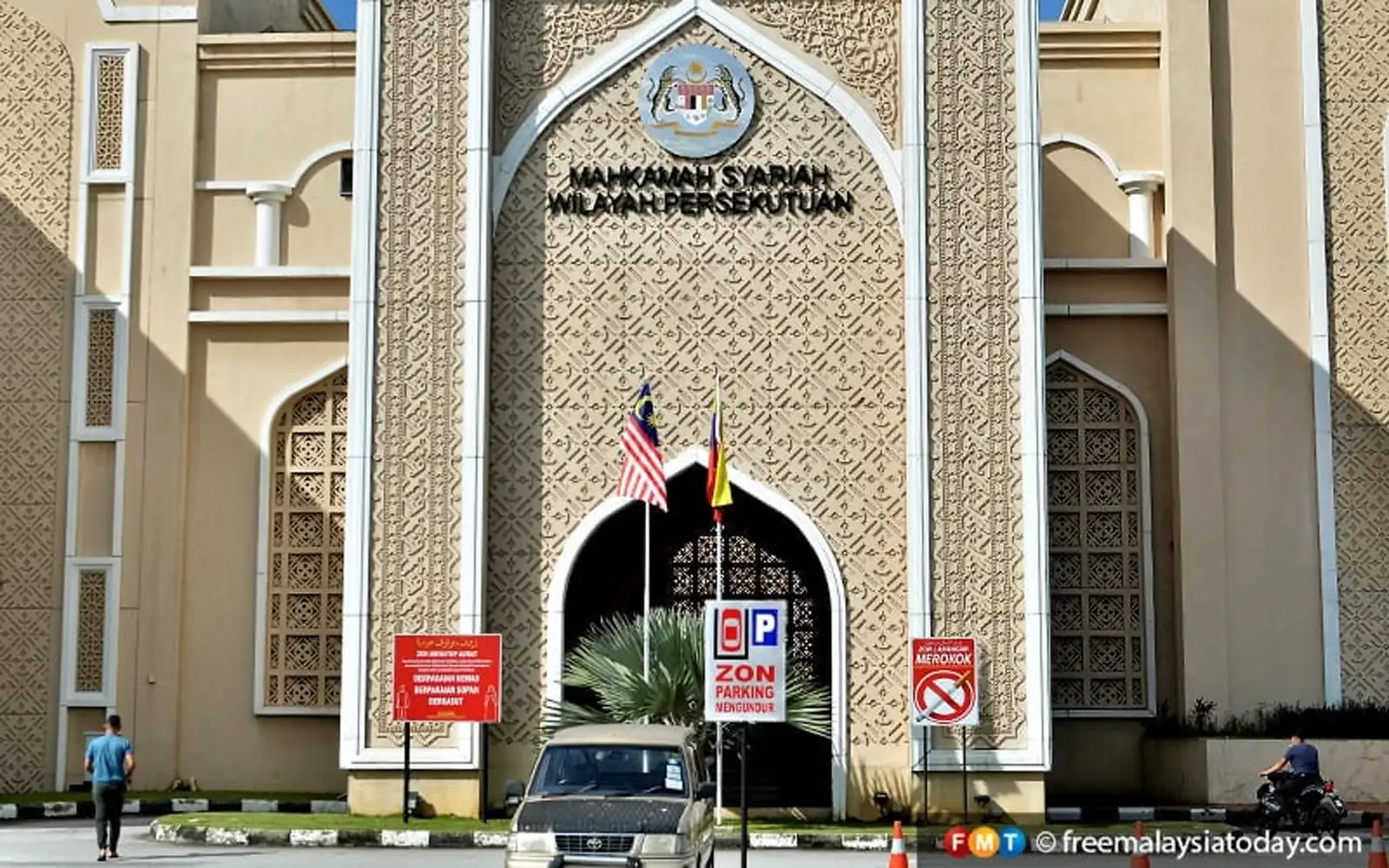
Women’s rights group SIS Forum (Malaysia) has called on the shariah judiciary department (JKSM) to define what constitutes a “resolved” case of unpaid nafkah, or maintenance payments.
Under Islamic family law, nafkah refers to the financial support a man is legally required to provide for a spouse, former spouse or children, depending on the circumstances. It covers basic needs such as food, housing and other living expenses.
Responding to JKSM’s goal of resolving at least 75% of unpaid nafkah cases annually, SIS executive director Rozana Isa urged the department to clarify the benchmarks for resolved cases and provide updates on the cases in question.
“Does a resolved case mean that proceedings have concluded, an enforcement order has been issued, or the outstanding maintenance has actually been paid?” she said in a statement.
Rozana said “resolved” cases must mean that the women and children involved actually receive what they are owed.
“The success of these reforms must be measured by whether maintenance is actually paid, not simply whether a case has been closed.
“JKSM should publish the number of cases resolved, the amount of nafkah recovered and the time taken for recipients to receive the first payment.
“It should also report whether payments continue regularly and whether arrears are being reduced,” Rozana added.
She said SIS’s legal advisory service, Telenisa, had uncovered the difficulties women faced in obtaining maintenance payments, even after securing court orders.
From 2016 to 2025, it handled 869 child and 170 spousal maintenance cases.
Rozana said the lack of transparency in maintenance cases left women in the dark about when, or if, they would receive the nafkah they are owed.
“At our September seminar on women’s rights in the family, a single mother of four asked how she could claim child maintenance owed since 2017,” she added.
On Oct 26, deputy religious affairs minister Marhamah Rosli said Putrajaya was planning legal changes to make it easier for shariah courts to act against those who evade orders to pay nafkah to their wives and children.
Subscribe to our newsletter and get news delivered to your mailbox.
KioskNews shows a cleaned-up reading view extracted from the publisher’s page — the original always lives on their site, not ours.