High fuel prices choke South Cotabato commuters, drivers
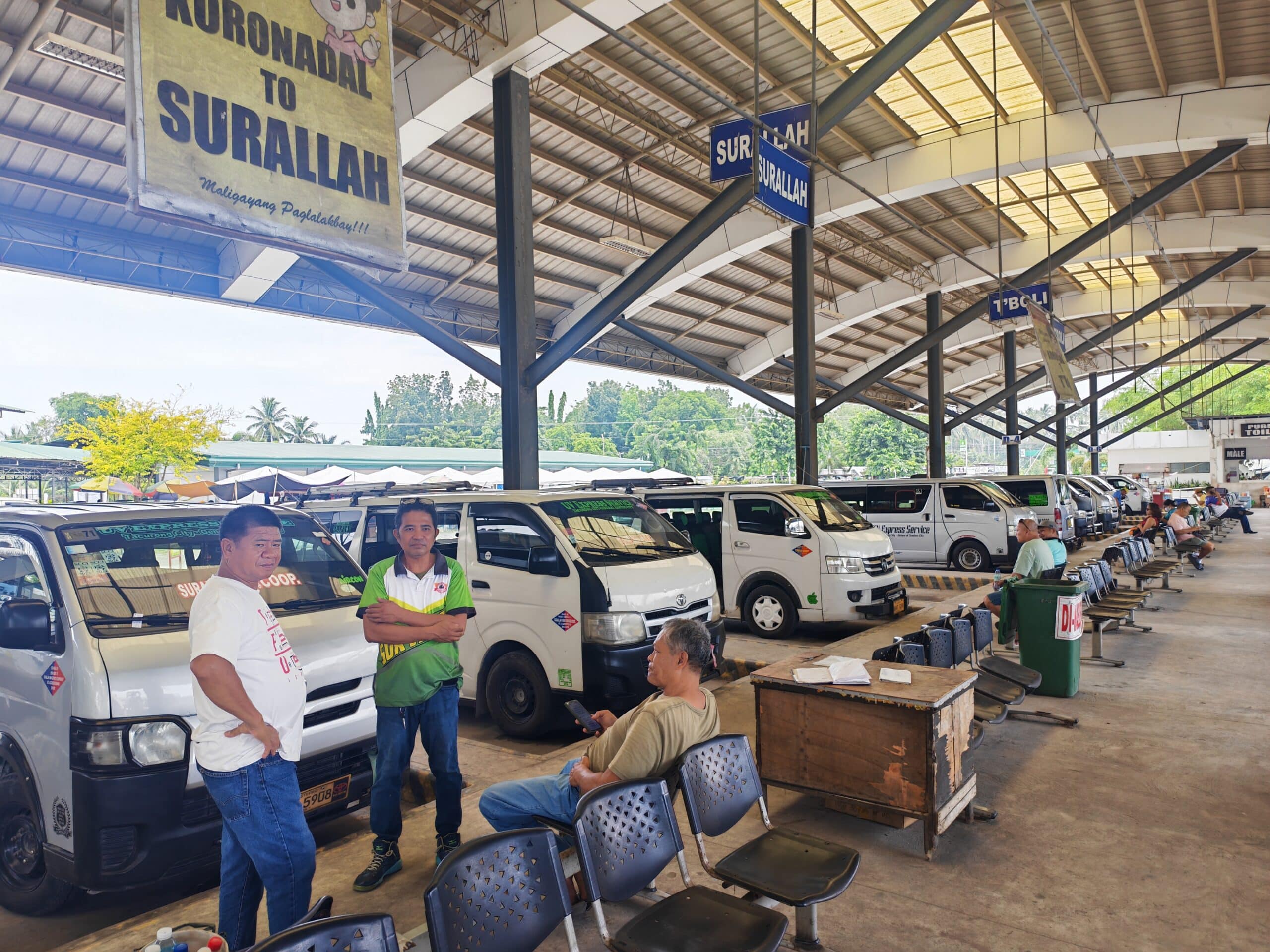

KORONADAL CITY — Commuters in South Cotabato are feeling the pinch of higher public transport fares that took effect on Monday, forcing some to adjust their daily budgets as drivers say the increase barely covers rising operating costs.Among them is Tessie Larroza, a resident of Sto. Niño, South Cotabato, who works in Koronadal City and regularly travels between her hometown and the city for work.“We already have a lot of expenses, and now transportation fares increase, too,” Larroza said.
READ: LIST: LTFRB releases approved fare hikes for buses, TNVS“It’s difficult for commuters when fares go up, especially when minimum wages are not increasing,” she added.The fare adjustment covers buses, jeepneys, vans, taxis, and transport network vehicle services, said Land Transportation Franchising and Regulatory Board (LTFRB) Region 12 director Atty. Pablito Benedian Jr.In a radio interview, Benedian said the fare increase was approved after the transport sector sought relief from rising fuel prices.The government had initially responded to calls for higher fares by providing subsidies to the transport sector amid concerns that a fare increase could add to inflation, he said.But with fuel prices rising again, the provisional fare increase was eventually allowed.Benedian stressed the adjustment is not permanent and could be reviewed if fuel prices return to normal levels. Any reduction, however, would still have to undergo a review and approval process.
Larry, a van driver plying the Banga-Koronadal City route and vice versa, said the increase provides some relief but remains insufficient to cover their expenses.“It’s still not enough,” Larry said, still thankful for the adjustment.For Yellow Bus Line Inc. (YBL), the adjustment translated into higher fares on several routes in Soccsksargen and neighboring areas.Bernard Bolanio, consultant for YBL operations, said the fare for an air-conditioned super deluxe bus from Koronadal to General Santos City increased from P133 to P159.The Koronadal-Tupi fare rose from P54 to P65, while Koronadal-Polomolok went from P92 to P111.The Koronadal-Surallah fare increased from P45 to P54.
Article continues after this advertisement
These localities are all within South Cotabato province.
FEATURED STORIES
NEWSINFO
NEWSINFO
NEWSINFO
READ: Fare relief for commuters up to LGUs – PCL chief
Bolanio said the transport industry had been struggling with fuel costs, prompting operators and workers to find ways to keep services running while protecting jobs.
He acknowledged that higher fares mean additional expenses for passengers, but said transport companies also need enough income to continue operating./coa
KioskNews shows a cleaned-up reading view extracted from the publisher’s page — the original always lives on their site, not ours.