Country diary: One of Britain’s oldest surviving traditions – and it’s all over in four minutes | Doc Rowe
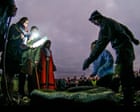
Before sunrise on 11 November, while most people are still sleeping, representatives of 25 Warwickshire parishes gather on Knightlow Hill to observe one of Britain’s oldest surviving customs.
The wroth silver ceremony is at least 850 years old, first appearing in written records in 1170, and requires payment of annual rent to the landowner, the Duke of Buccleuch. Despite misty rain this year, more than 60 people attend amid the noise of traffic from the A45.
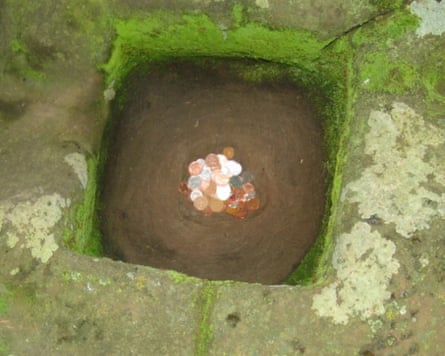
The duke’s appointed agent reads a charter listing the parishes, whose representatives step forward, one at a time in the darkness, and drop their coins into a hollowed stone known as the Knightlow Cross, saying, “Wroth silver.” Members of the public join in too with their own coins. Tenants are reminded that the traditional penalty for non-payment is “a white bull with red nose and ears”, or a “fine of 20 shillings for every penny owed”.
The ceremony itself lasts only around four minutes, and the rents, unchanged for centuries, range from a mere halfpenny to eleven-and-a-half pence (a grand sum that elicits ironic “Oohs”). The duke still receives the rent that is raised, in the equivalent in new money, this year to the tune of £16.22.
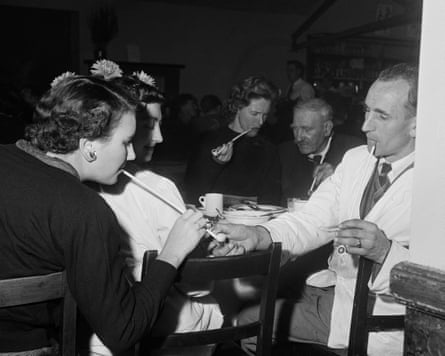
Wroth silver is unique among our ancient traditions, and while others attract much attention from folklorists, it has continued largely unnoticed, perhaps due to its brevity and the unsociable hour. For many attenders, the real attraction lies in the fellowship. The ceremony is followed by breakfast at the Royal Oak pub in Brandon, which had opened at 6am to fortify the early risers with rum and hot milk. Breakfast is followed by speeches and a poem. Although churchwarden pipes are still distributed, the invitation, “You may now smoke,” has long disappeared.
Some change has been inevitable. Decimalisation ended the halfpenny, which artificially altered the payments, and rising costs are affecting the accompanying celebrations. A more significant change, however is the personnel – David Eadon of Rugby, whose family maintained the ceremony for more than 150 years, has retired and handed responsibility to William Waddilove.
Having attended for nearly 50 years, I find there is something reassuring about standing among old friends and first-timers to repeat the age‑old cry: “Wroth silver!”
KioskNews shows a cleaned-up reading view extracted from the publisher’s page — the original always lives on their site, not ours.