Dak Prescott Opens Up About Marshawn Kneeland's Death As The Dallas Cowboys Take A Powerful Step Forward
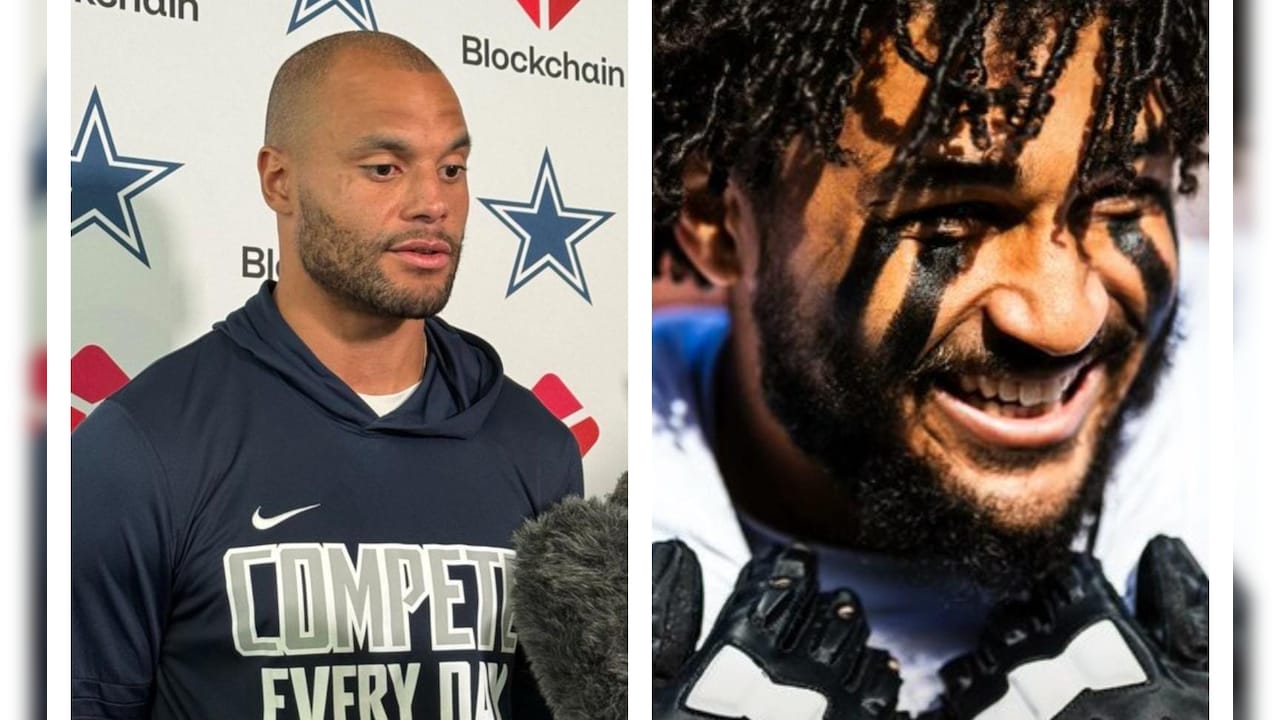
Dak Prescott and the Dallas Cowboys honor Marshawn Kneeland one year later through Huddle 94© Image via: X/@Dallas Cowboys
Dallas Cowboys quarterback Dak Prescott spent the first anniversary of Marshawn Kneeland's death on Friday talking about a locker room project, not a memory. Kneeland, a 2024 second-round pick and defensive end, died at 24 on November 6, 2025. The team has since launched Huddle 94, a player-led program named after the number he wore. Prescott backs it, and teammates say it fills a real need. Boston University CTE Center researchers later found Stage 1 CTE in Kneeland's brain, and CeeDee Lamb and Tyler Smith are still speaking openly and often about what his loss exposed.
Dak Prescott And The Dallas Cowboys Launch Huddle 94 After Marshawn Kneeland's Death
The Cowboys already offered mental health resources before Huddle 94 arrived. What changed is who runs the room. Players organize small roundtables about life, pressure and the stress that follows them home from the facility, and team clinician Dr. Heather Twedell helped the club put it together. The design is deliberate. A player who would never book an appointment may still open up to the guy who sits beside him at lunch.
Eloquent thoughts from Dak Prescott as team approaches the first anniversary of teammate Marshawn Kneeland's death.
— Ed Werder (@WerderEdNFL) November 5, 2026
Prescott sees the roundtables as a way to turn a painful date into something useful. "Just trying to honor him by creating those conversations, by creating that group," Prescott said. Football gives him a ritual too, and he does not skip it. "Every time I step on that field, I say a prayer and I end with, ‘God allow me to do this for Marshawn and people that can't do it any more.'"
CeeDee Lamb And Tyler Smith Speak Up For The Dallas Cowboys Locker Room
The medical findings arrived in July. The Concussion & CTE Foundation announced that Kneeland had Stage 1 CTE, the earliest stage of the disease, and that he died by suicide. Dr. Ann McKee, who directs the Boston University CTE Center, did not sound shocked. "Unfortunately, I was not surprised to find CTE in the brain of Mr. Kneeland, because we have found this progressive brain disease in nearly half of the athletes we've studied who have died before the age of 30," McKee said.
Inside the locker room, the loss still feels personal. Kneeland was the first teammate Lamb ever lost, and the wide receiver believes fans and media often forget that athletes are people first. "Mental health, in general, is often blindly being ignored," Lamb said. Smith made a similar point about the pressure that comes with playing at the top. "People fight a lot of invisible battles, especially when you're at the highest echelon of what you do," Smith said.
Prescott kept his own message plain. "Life is delicate, and we should never take these moments that we have, no matter if it's football or whatever we do in life, for granted," Prescott said.
KioskNews shows a cleaned-up reading view extracted from the publisher’s page — the original always lives on their site, not ours.