Senate report claims Iran is using Tether's stablecoin to evade sanctions
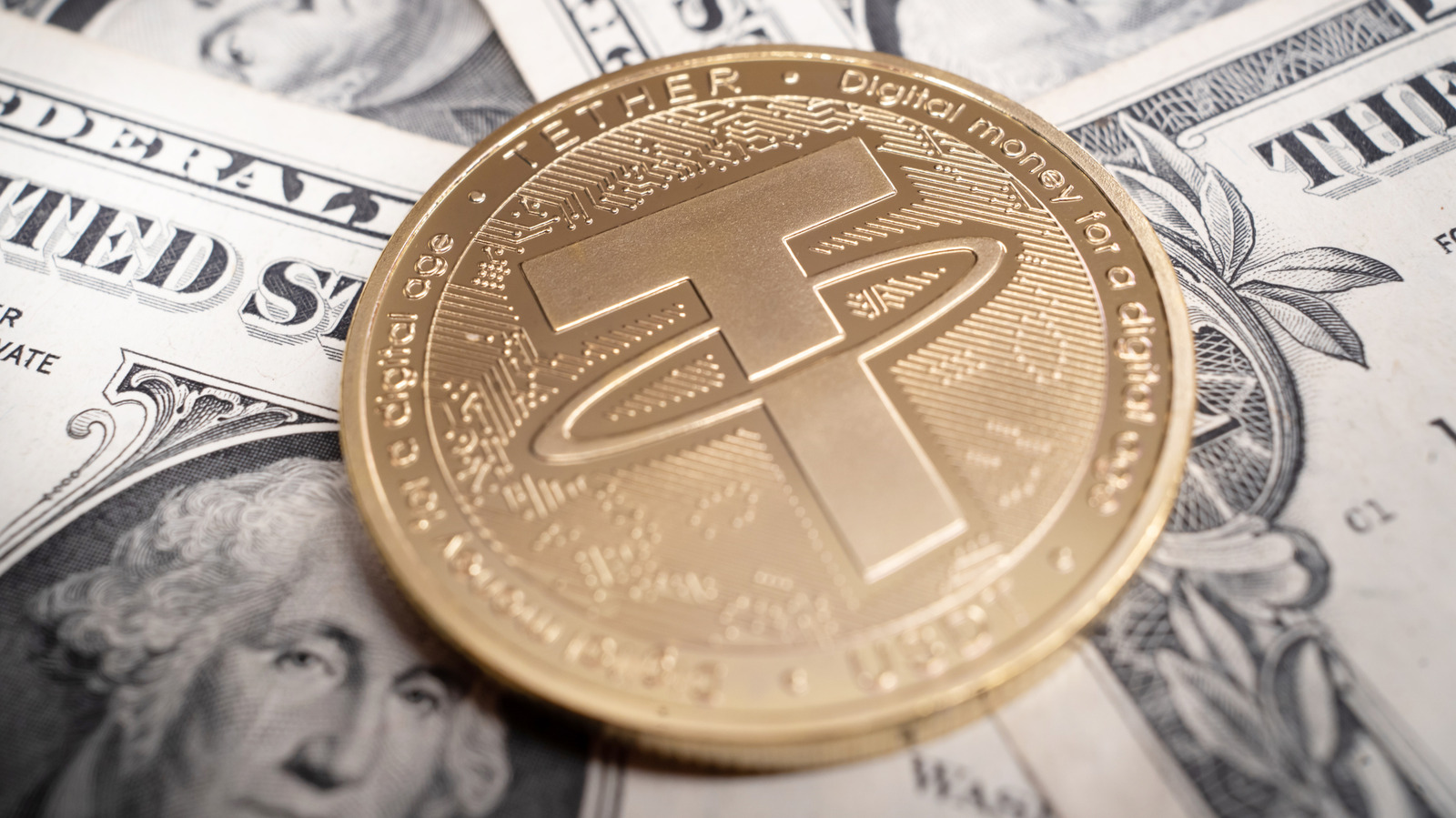
The company says it helped freeze $550 million in USDT linked to the country so far this year.
Vladimir Vladimirov/Getty Images
A Senate report claims Iran is benefiting from Tether's USDT stablecoin to the point where it's become a "significant financial lifeline" within the country's "shadow banking network." It says Iran is using Tether as an international payment system to get around sanctions on its banks as well as a means to fund terrorist proxy organizations.
Sen. Richard Blumenthal, the ranking member of the Senate Permanent Subcommittee on Investigations (PSI), led the report. The subcommittee looked at 846 sanctioned cryptocurrency wallets that have been linked to Iran and regional proxies. It determined that 84 percent of those used USDT (which is pegged to the value of the US dollar) exclusively or almost exclusively to move money around and prop up Iran's currency.
The report claims that, along with providing terrorist groups with support, evidence suggests the shadow banking network is used to buy and sell drones and other military equipment. It adds that, before 2024, Tether failed to "comprehensively and consistently freeze" crypto wallets flagged by counter-terrorism agencies and that it "continues to fail to proactively block clearly illicit wallets."
"My new PSI report exposes how Tether and its flagship token have become central to Iran's shadow banking system, allowing the Iranian government to fund its regional proxies, commit human rights abuses, and pursue hostile drone and missile programs as they defy our sanctions regime," Blumenthal said in a statement. He called on the Justice and Treasury departments "to immediately investigate Tether and hold it accountable for these potential sanctions violations."
Tether said it's "fully committed to supporting global efforts against illicit finance." It noted that so far this year, it has helped freeze almost $550 million in USDT linked to Iran.
"Tether has consistently demonstrated that USDT is not a haven for sanctioned actors, terrorist organizations or criminal networks," said Tether CEO Paolo Ardoino said in a statement. "Public blockchains provide authorities with a level of visibility into the movement of funds that simply does not exist with cash, and Tether can act when credible information is provided by law enforcement."
Earlier this month, it was reported that the Justice Department began investigating whether Binance violated sanctions on Iran by failing to prevent certain crypto trades. The DOJ has accused several companies of using the platform to funnel $1.5 billion to the country in exchange for black-market oil.
KioskNews shows a cleaned-up reading view extracted from the publisher’s page — the original always lives on their site, not ours.