Normal metro, free movement, undisturbed internet: Supreme Court's 5 directives on Delhi curbs amid protest
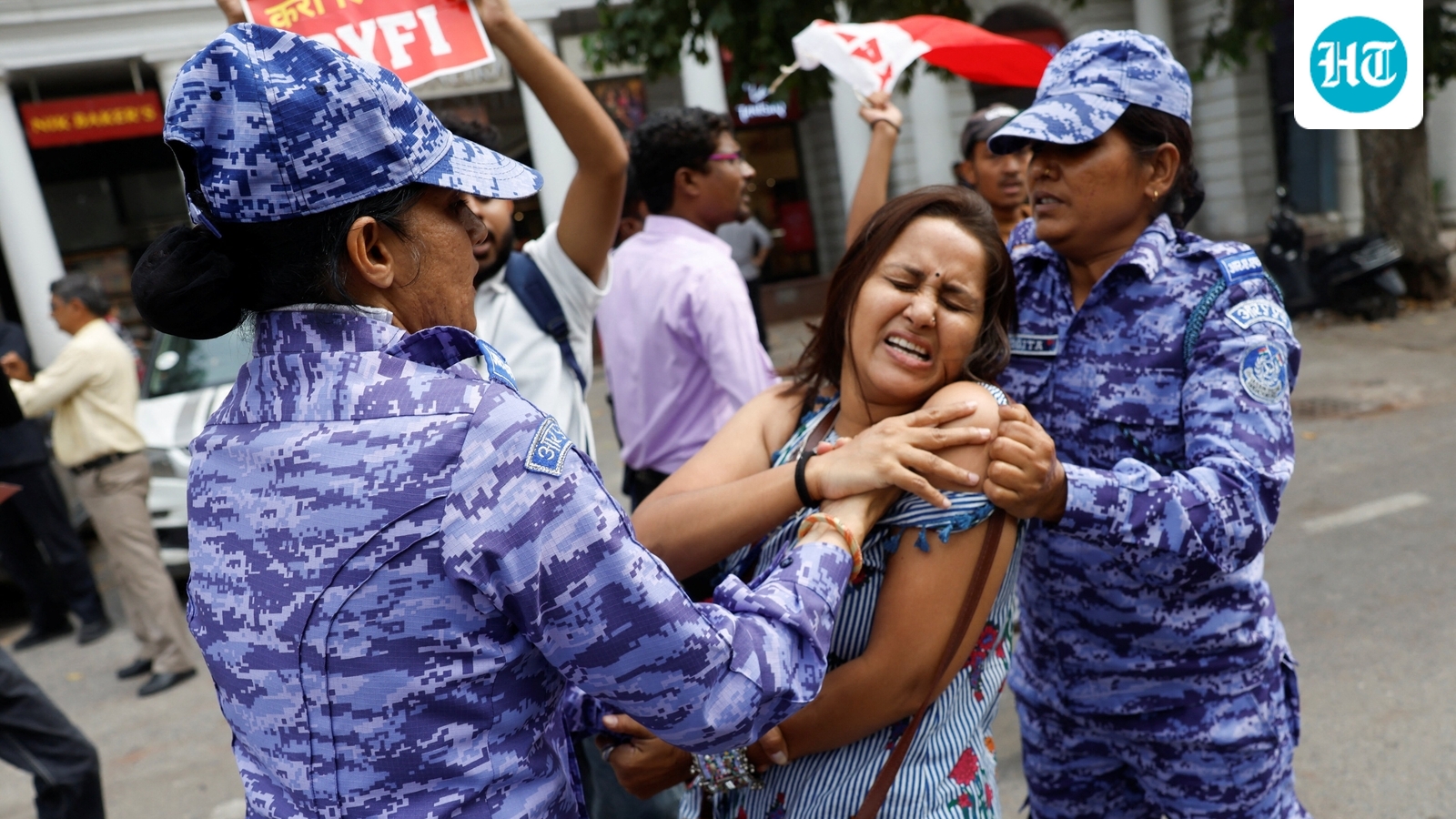
Supreme Court on Sunday held a special hearing on the curbs across Delhi amid calls for protests against Chief Election Commissioner Gyanesh Kumar and said that metro and train services shall be restored to normal and no illegal detentions should take place in the capital.
The top court ordered that peaceful, unarmed protesters cannot be detained except in accordance with the “procedure established by law”.
Supreme Court's directions come after a special bench of justices Joymalya Bagchi and V Mohana heard on Sunday petitions alleging mass detentions, restrictions on movement, suspension of internet services and non-compliance with the court’s October 9 order on transport curbs ahead of Saturday’s protest against chief election commissioner Gyanesh Kumar.
Also read: No illegal detentions in Delhi during peaceful gatherings, no curbs on movement: Supreme Court
"Senior counsels submitted there was a flagrant violation of the directions -- metro railway was not functioning, New Delhi and Nizamuddin railway stations remained closed, no traffic advisories were issued and a large number of persons were subjected to undue harassment and illegal detention even beyond the area which was covered by the prohibitory order under Section 163 of the Bharatiya Nagarik Suraksha Sanhita (BNSS), 2023," the bench said during the urgent hearing.
Track live updates of protest in Delhi here
Supreme Court's five big directives regarding curbs in Delhi are -
(i) Metro and rail facilities shall function normally until and unless regulations required to be imposed keeping in mind disturbance to public order as under Article 19(2).
(ii) Free movement of people in the city shall be permitted subject to traffic regulations. Imposition of barricades shall be reviewed forthwith keeping in mind law and order and other traffic conditions.
(iii). Internet facilities shall remain undisturbed
(iv) Smooth movement of people in the city shall be permitted in accordance with law.
(v) There shall not be detention save and except by procedure established by law, particularly with respect to assemblage of peaceful, unarmed people beyond the area where S.163 BNSS is in operation.
The Supreme Court also directed Solicitor General Tushar Mehta to ensure that lawyers, journalists and other professionals are not obstructed while carrying out their professional duties.
On Friday, a day before the pressure group Cockroach Janta Party's proposed protest against the CEC, Chief Justice of India Surya Kant had directed the authorities to reconsider the closure of metro stations and regulate, rather than prohibit outright, metro and rail services to minimise inconvenience to the public.
KioskNews shows a cleaned-up reading view extracted from the publisher’s page — the original always lives on their site, not ours.