What happens to Singapore's unwanted clothes?
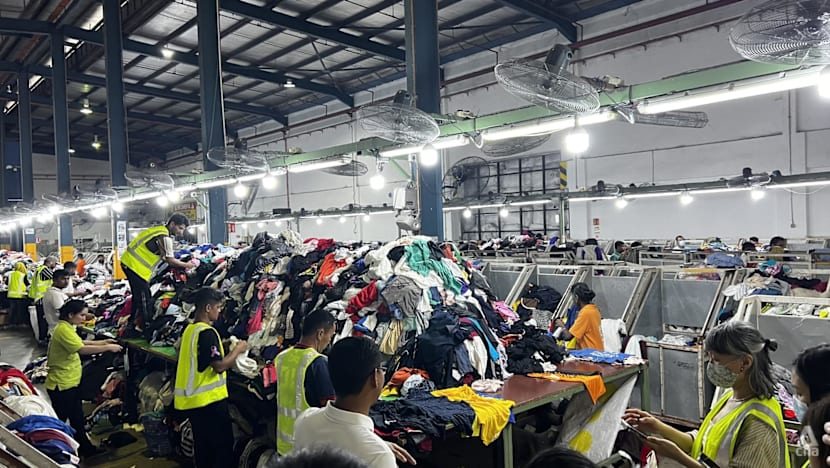
CNA traces what happens after items are put into textile recycling bins, and looks at what is driving the growing demand for secondhand fashion in Singapore.
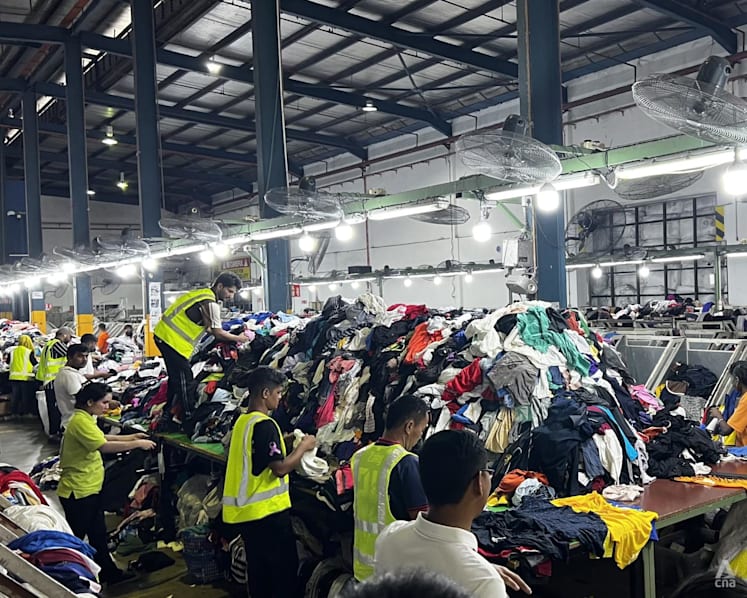
Workers sort used clothing at Life Line Clothing’s textile processing facility in Port Klang, Malaysia. (Photo: CNA/Eugene Chow)
New: You can now listen to articles.

This audio is generated by an AI tool.


27 Aug 2026 01:09PM
KLANG/SINGAPORE: The amount of unwanted clothing collected through a textile recycling programme in Singapore has doubled over the past two years.
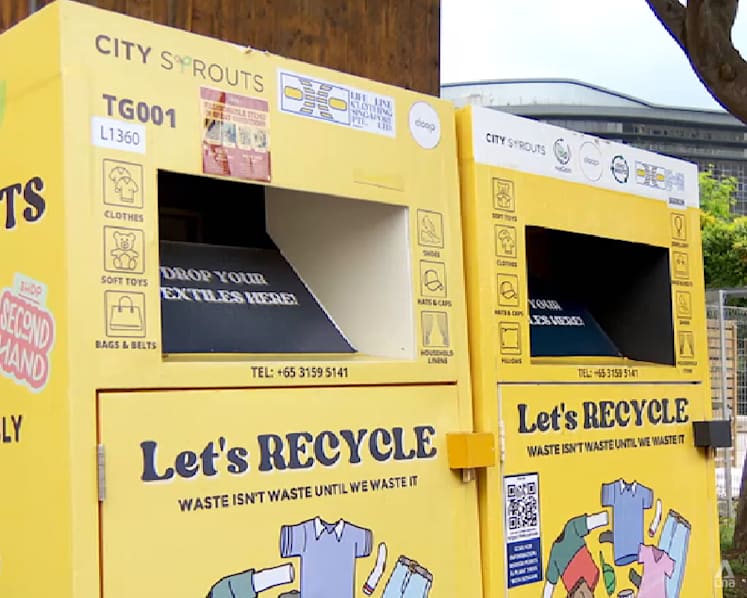
The clothes are collected through social enterprise Cloop's yellow recycling bins. There are now around 450 of these bins across the island.
Around 60 tonnes a week are sent to textile recovery firm Life Line Clothing in Port Klang, Malaysia, where the clothes are sorted for resale, reuse or recycling.
Cloop co-founder Jasmine Tuan said weekly collections have grown from about 30 tonnes two years ago to around 60 tonnes now, and can reach up to 70 tonnes depending on the season.
CNA looks at what happens to clothes put into recycling bins, and why Singapore's secondhand fashion market is seeing growing demand.
SORTING TONNES OF TEXTILES DAILY
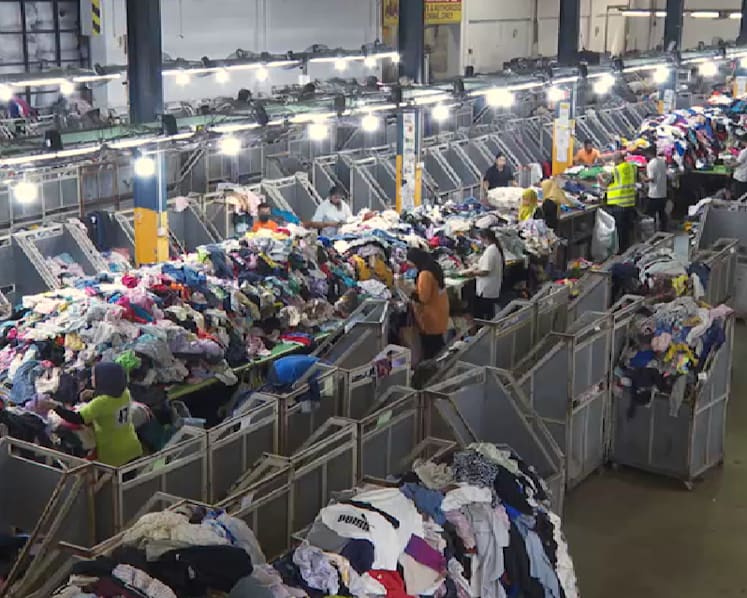
At Life Line Clothing's Port Klang facility, bags of clothing arriving from Singapore join tonnes of other garments waiting to be assessed.
The facility currently processes about 33 tonnes of textiles a day. Life Line said it is investing to increase processing capacity to 60 tonnes a day by the end of the year.
About 300 workers sort the clothes into around 500 categories. They look at factors such as condition, fabric composition, quality and style before deciding what can be done with each piece.
What happens to each item also depends on what buyers want.
"Most clothes that (are) easy to resell will be lightweight, clothing (for) summer. Children’s clothing – very easy to resell and (there's) very high demand. And also any branded garments that arrive here in very good condition," said Life Line Clothing Malaysia’s business manager Zaki Suratman.
About half of the clothing processed at the facility can be resold, according to Mr Zaki.
The garments are compressed into bales weighing between 45kg and 400kg and sold to buyers and wholesalers overseas, including in countries such as Kenya, Uganda and Papua New Guinea.
Life Line said 15 to 20 per cent of the material arriving from Singapore is turned into industrial wiping cloths, while around 20 per cent becomes products such as rugs.
About 2 per cent is recycled into new textile materials, while around 8 per cent is burned to generate electricity as a last resort.
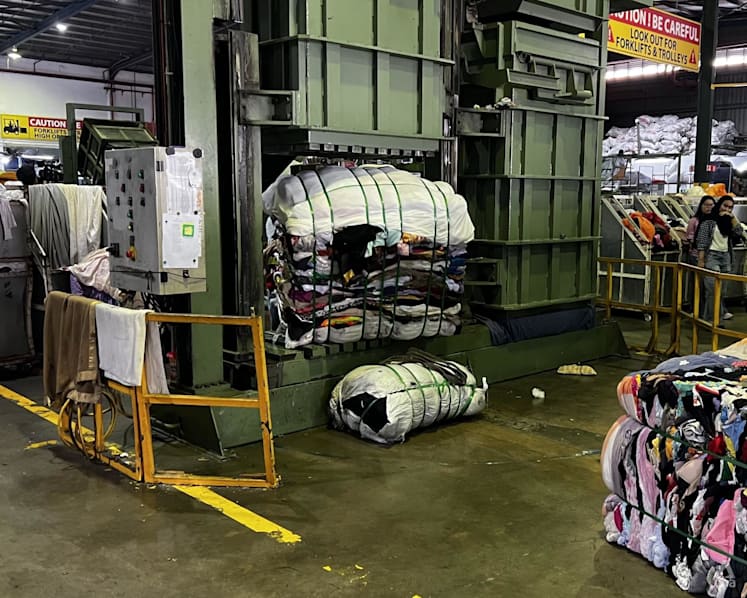
But about half of the material entering the recycling system is processed for little or no commercial return, the company said, as freight, labour and logistics costs rise while the value of secondhand clothing falls.
Heavy curtains, blankets and contaminated garments are among the items that are particularly difficult to resell.
Some fast-fashion items also pose a challenge.
"Fast fashion garments are harder to resell because the price of new clothing is cheaper compared to secondhand clothing," Mr Zaki said.
"In order for us to successfully resell in the secondhand market industry, we cannot just depend on the cheap price. It must come with a unique quality (and) condition.”
Life Line said the overall quality of clothing collected from Singapore has remained relatively consistent, but the proportion of fast-fashion garments is increasing as online shopping grows.
Some pieces arrive at the facility brand new and still carrying their tags.
"I suspect it's a lot of online orders … that don't fit well. So naturally, they will want to then donate and pass on to organisations like ourselves that can circulate back locally or globally," said Cloop’s Ms Tuan.
The volume collected through the yellow bins has continued to grow even though Cloop has paused the expansion of its network, Ms Tuan said.
One misconception, she said, is that clothes put into textile recycling bins will be shredded into fibres and made into new garments.
Greater awareness of where unwanted clothes go, including through Cloop's education efforts, has helped give people confidence to use the collection points, she added.
But recycling should still be the last step, said Ms Tuan, who urged consumers to first rethink what they buy, reduce consumption, reuse and repair what they already have.
MORE SHOPPERS TURN TO SECONDHAND CLOTHES
Meanwhile, Singapore's secondhand fashion market is also growing.
Refash, which began with one store in Singapore in 2016, now operates 17 here. It said revenue is growing by 30 to 40 per cent year on year.
The secondhand fashion retailer has expanded beyond womenswear into categories including menswear, activewear, bags, wallets and winter wear.
"Customers that are driving this demand would be younger consumers like our Gen Zs, who are always looking for something different that can be easily accessible at the store," said Refash supply acquisition lead Cherie Chee.
"And of course, there's also price-sensitive customers like housewives who are looking for something that will not break the bank."
The company receives more than 300 drop-offs from sellers in Singapore each day, through its stores and doorstep collection service. It processes more than 500,000 pieces a month.
Not all of its stock comes from people's wardrobes. Refash also buys deadstock from fashion brands – including clothing that can no longer be sold or pieces from labels that have closed.
The market is also expanding beyond its traditional base of female shoppers.
Refash said demand for men's clothing is now outstripping supply, in part because men tend to hold on to their clothes for longer.
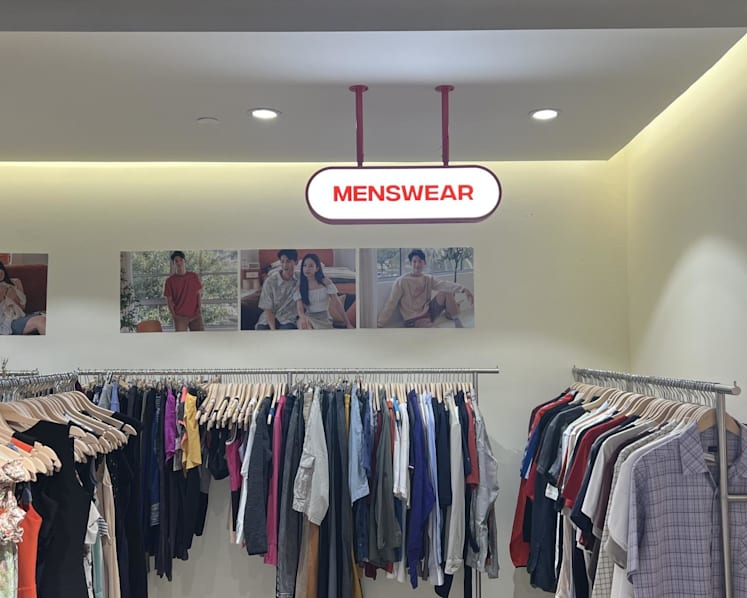
"Men tend to wear their clothing up until the very end of its lifespan. So by the time they're willing to part with it and sell to us, unfortunately, the condition is often no longer sellable," Ms Chee said.
"So this imbalance means well-loved menswear pieces, especially in good condition or from sought-after brands, fly off the shelf quicker, and they tend to hold their resale value much better and move faster compared to similar womenswear pieces."
Refash said the demand was a sign that more men were becoming comfortable shopping secondhand.
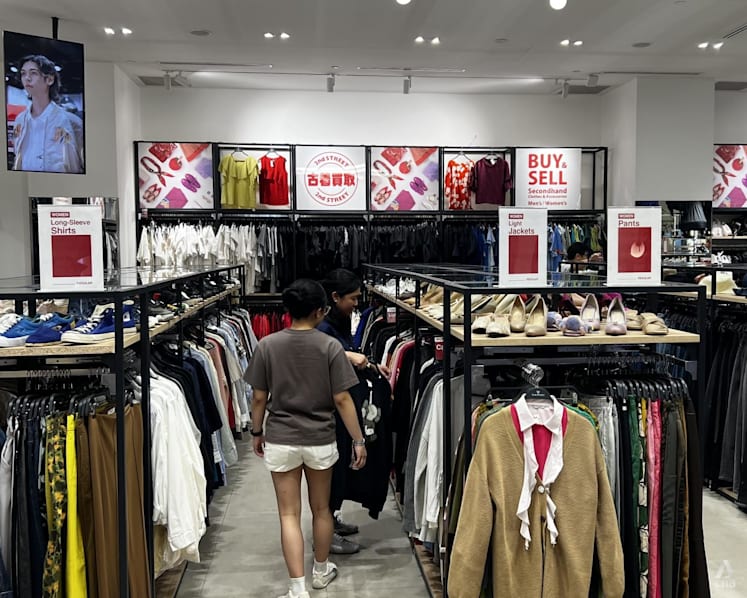
Foreign players are expanding too.
Japanese chain 2nd Street opened its first Singapore outlet in 2025 and now has three stores.
"We plan to open around two to four outlets each year, with the goal of operating approximately 14 to 15 stores by the financial year 2029. In the long term, we believe Singapore has the potential to support around 30 stores," said the chain’s Singapore managing director Tsutomu Nakamura.
Mr Nakamura said 2nd Street’s customers in Singapore tend to skew younger.
He said younger shoppers are interested in having more variety in their wardrobes, allowing them to move between styles such as vintage and street fashion rather than simply buying the latest mass-market trends.
Retailers say this reflects a broader change in how secondhand fashion is viewed.
Its appeal is becoming less about necessity and more about value, quality and style, helping to shed an old stigma that secondhand clothing is only for people who cannot afford new.
KioskNews shows a cleaned-up reading view extracted from the publisher’s page — the original always lives on their site, not ours.