A mamak shop closes on Deepavali day, and social media erupts
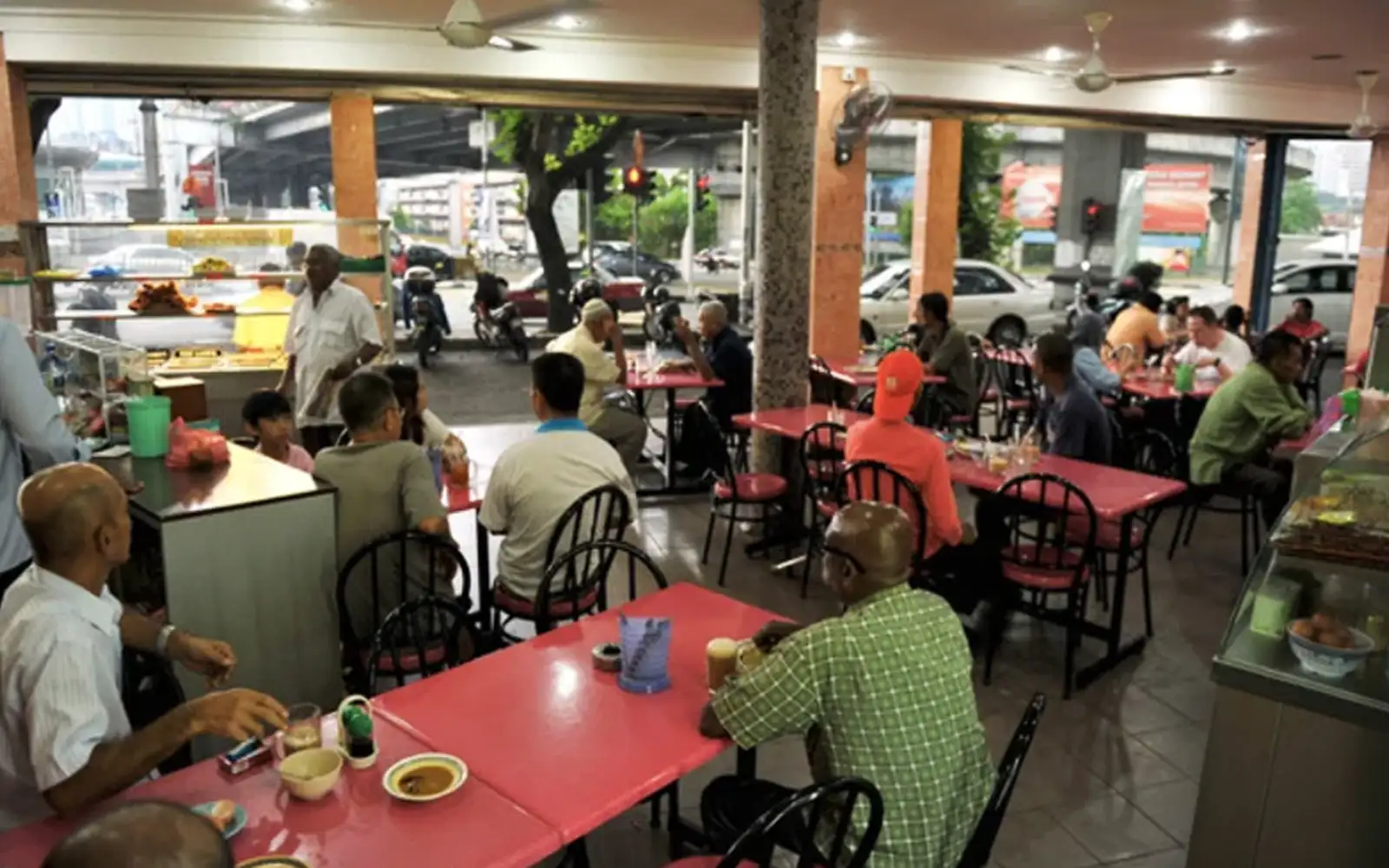

It began, as most modern Malaysian sagas do, not with a bang, but with a grumble. A mamak shop, that near-sacred 24-hour temple of roti canai and teh tarik, had the audacity to close its doors on Deepavali day.
The reason? To allow its staff, many of whom are Hindus, to celebrate the Festival of Lights. A simple, humane and frankly logical decision. And yet, within hours, it had ignited a firestorm on social media, transforming a shop’s holiday schedule into a national debate on race, religion and the soul of our nation.
This can only happen in Malaysia. “Mamak tutup? On Deepavali? How can a Muslim-run restaurant close for a Hindu-based celebration?” So began the stream of religious insults and slurs.
For most people, the mamak shop is more than a restaurant; it is a cultural institution, a neutral ground where everyone can sit side-by-side at 3am, arguing over football or who should be the prime minister.
But the debate triggered by the post made out the closure to be almost a betrayal of the social contract. The real fireworks began when the keyboard warriors logged on and the debate fractured along predictable, yet deeply depressing, lines.
On one side, some who described the closure as an act of placing Deepavali celebrations over Islam, an analogy that is mind-boggling. On the other side, those who celebrated the closure as a victory for inclusivity, while simultaneously weaponising it against the owners. A simple act of employee appreciation became a truncheon in the never-ending racial culture war.
The comments sections devolved into a cesspool of racial slurs and religious mockery. The practices of each community – from fasting to praying to celebrating – were dissected, mocked and used as ammunition.
This is the Malaysian paradox. We are a nation that prides itself on our diversity, our muhibbah spirit and our ability to live together. We celebrate each other’s festivals with open houses and open hearts. But the moment a minor racial or religious issue is raised, the harmony ruptures and the nation’s ugly, tribalistic underbelly is exposed for all to see.
The debate exposed a deep-seated insecurity, the fear of being marginalised, anxiety over the “other” and the constant, exhausting need to assert one’s own identity in a multi-racial landscape. The mamak shop became a proxy for a much larger, unresolved national conversation about what it means to be Malaysian.
The fact that we lose our minds over such a small matter is precisely the problem. We have become experts at finding offence, at drawing battle lines over the most trivial of issues. A shop closure becomes a religious war. A wrong word becomes a racial slur. A difference in opinion becomes a declaration of enmity.
We are so quick to insult each other, yet so slow to extend the basic courtesy of understanding.
The next time you see a shop closed for a holiday that isn’t “yours”, take a breath. Instead of reaching for your phone to type a scathing comment, maybe reach for a packet of murukku from a Hindu neighbour.
The mamak shop will reopen, but the damage done by our own intolerance, the scars we inflict on our national psyche with every hateful comment, are far harder to heal.
Only in Malaysia can a day of light be turned into a war of darkness. Sadly, that is the most Malaysian thing of all.
The views expressed are those of the writer and do not necessarily reflect those of FMT.
Subscribe to our newsletter and get news delivered to your mailbox.
KioskNews shows a cleaned-up reading view extracted from the publisher’s page — the original always lives on their site, not ours.