The 6 Best Crime Books Released Since 2000, Ranked
A good mystery wants you to guess who did it. A good crime novel, the kind on this list, wants you to think about why anyone does anything at all, long after you already know exactly who's guilty. That's the actual difference, and it's why half these books don't even bother pretending the whodunit part is the point.
Every one of these six films got adapted into a movie or a show eventually, and none of the adaptations fully captured what made the book work in the first place, since so much of it lives in whose head you're stuck inside while reading. There are undoubtedly six of the best crime books released since the last two decades so let’s have a look at them.
6 'The Girl with the Dragon Tattoo'
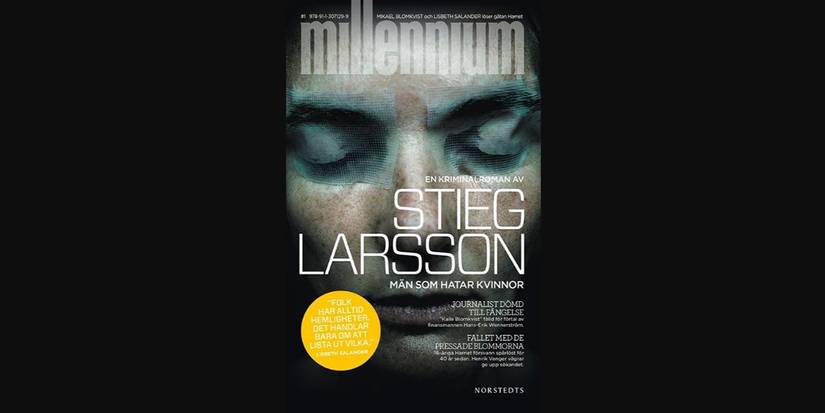
A disgraced journalist gets hired by a wealthy old industrialist to solve a forty-year-old disappearance, and along the way he teams up with a hacker named Lisbeth Salander, who's spent her whole life being underestimated by literally everyone around her. Stieg Larsson's original Swedish title actually translates to "Men Who Hate Women," and once you know that, the book's real focus becomes obvious pretty fast.
The Girl with the Dragon Tattoo talks about Lisbeth's trauma and treats it with the same weight as the actual murder mystery, and by the time the case gets solved, she's easily the more memorable half of the investigation. Larsson wrote all three books in the trilogy before he died suddenly, never living to see how massive they'd become once they were finally published.
5 'In the Woods'
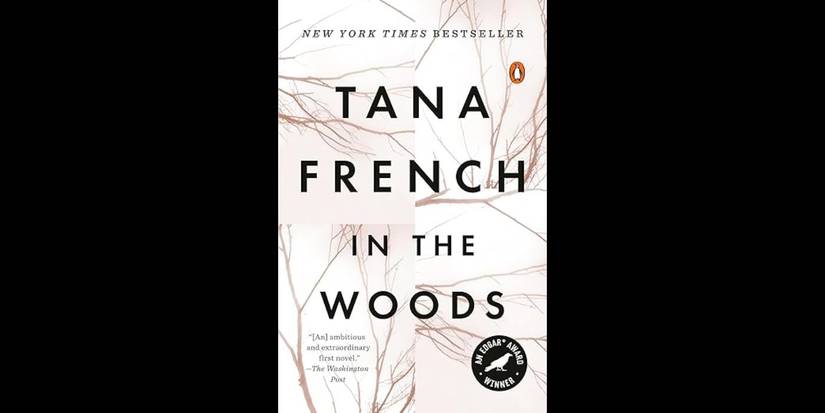
Detective Rob Ryan gets assigned to investigate the murder of a twelve-year-old girl, and the crime scene happens to be the exact same woods where, twenty years earlier, he was the only survivor of something that left his two childhood friends gone and his own memory completely blank. Tana French runs two mysteries side by side here, the new murder and the old disappearance, and they feel connected without ever being spelled out too directly.
The twist most people remember is that the childhood mystery never gets solved, Ryan never recovers his memory, and French just lets that unresolved wound sit there permanently instead of wrapping it up. It made a lot of readers furious at the time, but it's also the most honest choice in the whole book, since real trauma doesn't usually hand you closure just because you finally asked the right question in the end.
4 'Mystic River'

Three childhood friends grow up and drift apart after one of them, Dave Boyle, gets abducted and abused for several days as a kid, an event none of them ever really talks about again. Decades later, one of the other two friends loses his daughter to a murder, and suspicion lands hard on Dave simply because of what happened to him as a child.
Dennis Lehane builds the whole book around how trauma echoes through a community and does not stay contained in one person. The ending however, refuses to give anyone a clean, satisfying version of justice. It got turned into a Clint Eastwood movie a couple years later, and the film is good, but the book focuses more time inside everyone's guilt than the movie ever had room for.
Collider Exclusive · Villain Personality Quiz Which Criminal Mastermind Would Be Your Nemesis? Lecter · Joker · Moriarty · Chigurh
Four of the finest criminal minds ever put on screen. One of them would look at you and see something worth their time. Eight questions decide which one comes for you, why they picked you, and what they would want when they arrived.
🍷Lecter
🃏Joker
♟️Moriarty
🪙Chigurh
01
What would a criminal mastermind notice about you first? Great villains choose their opponents carefully. Something about you got their attention.
02
How do they make first contact? The introduction tells you everything about what is coming next.
03
What do you actually believe about right and wrong? Every nemesis is really an argument about the thing you believe most.
04
What finally gets under your skin? Everybody has a pressure point. Finding yours is the whole plan.
05
They have made their move. How do you fight back? This is the part of the film where the audience finds out who you are.
06
What would they use against you? A good villain never brings a weapon you have not already handed them.
07
What do they actually want from you? The money is never the point. Something else always is.
08
How does it end between the two of you? Eight questions in, this is the one that decides who comes for you.
The Case File Is Complete Your Nemesis Is…
Four criminal masterminds. One of them was always going to be yours. Here is who comes for you, why they picked you out of everyone available, and what they want from the encounter.
Hannibal Lecter
Your nemesis does not want to beat you. He wants to know you completely, and he is patient enough to wait for it. The frightening part is how good the conversation is.
- Lecter is the most dangerous kind of opponent: the one who finds you interesting. He never raises his voice, because he has never needed to.
- You keep a great deal to yourself and you are careful about what you show. That reserve is exactly the door he would knock on.
- The films understood something other thrillers missed. The horror is not the violence. It is being perfectly understood by the wrong person.
- He would be unfailingly polite about all of it. That is the worst part.
The Joker
Your nemesis is not after money, territory or revenge. He is after a demonstration, and you are the person he has chosen to prove his point on.
- The Joker only picks opponents who believe in something. Your decency is not a defence against him. It is the entire reason he showed up.
- He has no plan you can predict and nothing you can take away, which removes every tool you would normally reach for.
- His whole argument is that you are one bad day away from being him, and you would spend the rest of your life proving him wrong.
- He would call it a magic trick. You would call it the worst night of your life.
Moriarty
Your nemesis respects you, which sounds flattering until you work out what it means. He chose you because nobody else was worth his time.
- Moriarty is the original criminal mastermind, the template every later one borrows from: a mind the equal of the hero's, pointed the wrong way.
- You enjoy being the cleverest person in the room. He is counting on exactly that, and he has already built the room.
- This is the rare nemesis who would be genuinely disappointed if you lost badly. He needs the game to be worth playing.
- It ends the way these things always end. Two people, one problem, and only one way down.
Anton Chigurh
Your nemesis has no personal interest in you whatsoever, and that is precisely what makes him unsurvivable. You are not a rival. You are a stop on the way.
- Chigurh does not negotiate, gloat or explain. He arrives, he asks one question, and the answer was decided long before you opened your mouth.
- You trust yourself to handle things. He is the one problem in the world that has no interest in how capable you are.
- No Country for Old Men rewrote the screen villain by removing the thing audiences quietly rely on: the sense that talking might work.
- Call it. He will wait.
3 'Fingersmith'

Sue Trinder, raised by a household of petty thieves, gets recruited into a con where she has to help trick a wealthy young woman named Maud Lilly into marriage just so a conman can steal her inheritance and have her committed to an asylum afterward. Sarah Waters structures the book in a way that completely flips everything you think you understand about the plan roughly halfway through.
Fingersmith owes a lot to old Victorian sensation novels, and Waters clearly knows that genre inside out, but she uses it to tell a story about two women who end up genuinely falling for each other in the middle of a con. The twist changes the plot, and it also changes who you think the actual victim of the story has been the whole time.
2 'Gone Girl'
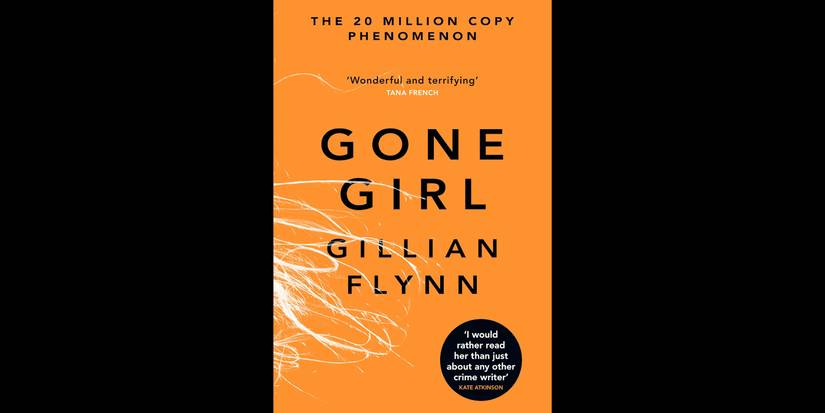
Amy Dunne disappears on her fifth wedding anniversary, and her husband, Nick, becomes the prime suspect almost immediately once the media gets involved and starts picking apart every awkward thing he's ever said in public. Gillian Flynn splits the book between Nick's present-day account and Amy's old diary entries, and for the first half, you're pretty sure you know exactly who to blame.
Then the book flips completely, and it turns out Amy staged the whole disappearance herself, specifically to frame Nick for her murder as payback for his affair, and suddenly you're reading a completely different kind of story than the one you thought you started. The "Cool Girl" monologue alone changed how a lot of people talk about relationships and performance, and the ending, where Amy traps Nick into staying with her forever, ends up more disturbing than if she'd actually gotten away with murder.
1 'No Country for Old Men'

Llewelyn Moss stumbles onto two point four million dollars sitting at the scene of a drug deal gone wrong in the middle of the Texas desert, and instead of walking away, he takes it, which is the one decision the rest of the book never lets him escape. Anton Chigurh, the hitman sent to get the money back, decides who lives and dies with a coin flip and a cattle gun, and he might be the coldest villain in any crime novel from this century.
Cormac McCarthy writes almost the entire book without quotation marks or much punctuation at all, which sounds like it should be distracting but instead makes everything feel stripped down and inevitable. Sheriff Bell narrates quiet reflections between the actual chase, as he mourns a kind of violence he used to understand. There is no big final showdown you've been waiting for the entire book, Moss just dies off-page, which is exactly the point McCarthy's making about how little control anyone in this story actually has.
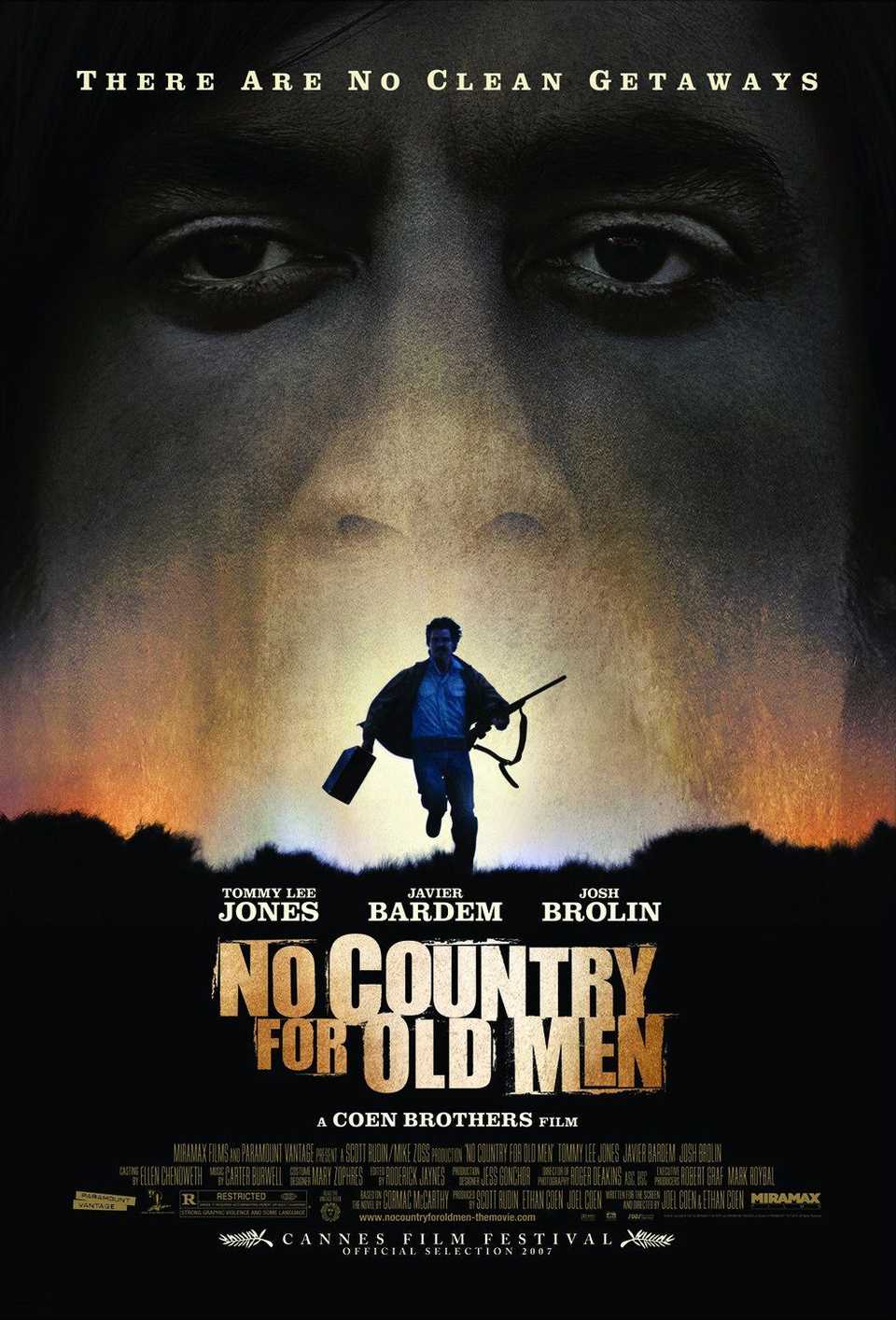
No Country for Old Men
- Release Date
- November 21, 2007
- Runtime
- 122 minutes
- Director
- Joel Coen, Ethan Coen
- Writers
- Ethan Coen, Joel Coen
KioskNews shows a cleaned-up reading view extracted from the publisher’s page — the original always lives on their site, not ours.