Hong Kong police to activate AI facial recognition across surveillance network
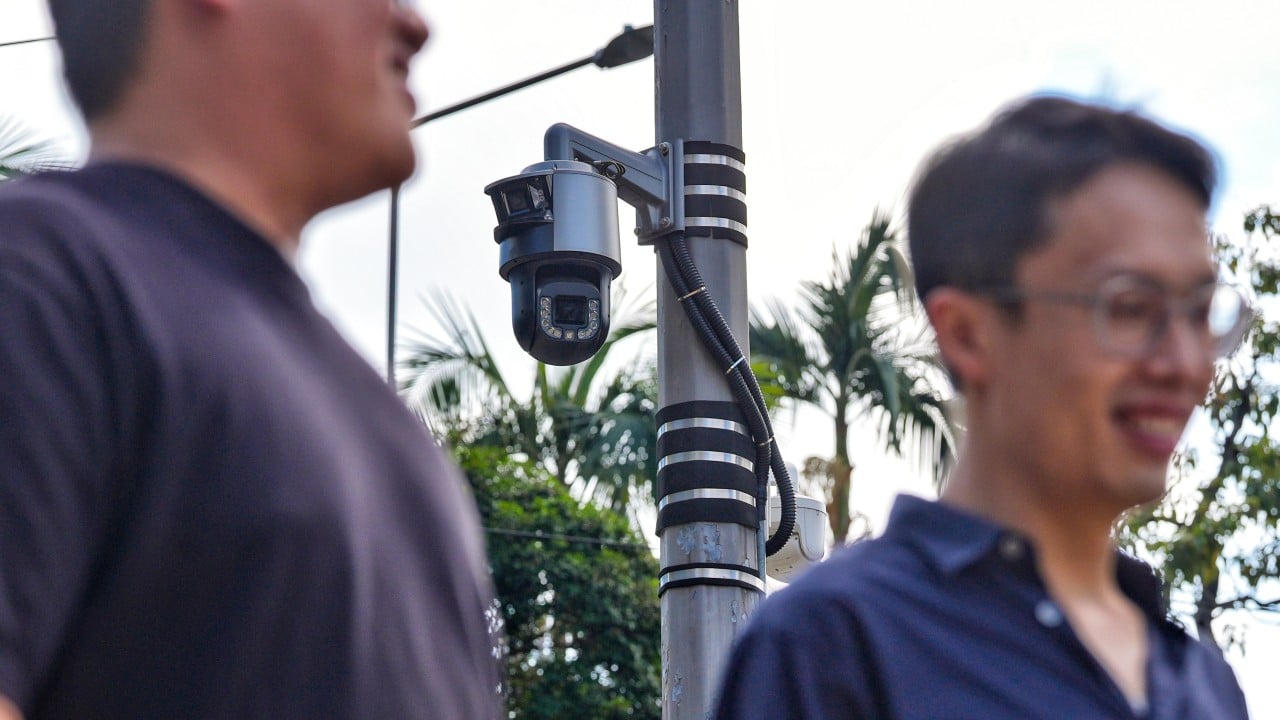
Hong Kong police will activate artificial intelligence-powered facial recognition across their expanding smart surveillance network on Monday, the force’s commissioner has said.
Speaking after attending a police passing-out ceremony, Commissioner of Police Joe Chow Yat-ming said the technology could help identify people even if they wore masks or used other methods to evade detection.
“No matter what methods you use, if you commit a crime, we actually have the capability to arrest you. I believe that using facial recognition serves as a safeguard for law-abiding citizens and a form of surveillance against those who attempt to commit crimes,” he said.
He added that the measure was intended to make would-be offenders think twice about the consequences of their actions.
The SmartView project, launched in 2024, includes plans to install 60,000 cameras across the city by 2028.
Police previously said the facial recognition technology would have two functions.
Officers could enter a suspect’s facial features into the system to check whether the person appeared in specified footage or on particular cameras within a given time frame, allowing them to trace the individual’s movements.
The second function would operate in real time. If, for example, an elderly person went missing and could not be found in recorded footage, officers could enter their facial features into the system. It would then alert police to when and where the person appeared on camera, allowing officers to follow up.
The force said searches would require approval from an officer of inspector rank or above and must serve the purposes of safeguarding national security, preventing and detecting crime, or ensuring public safety.
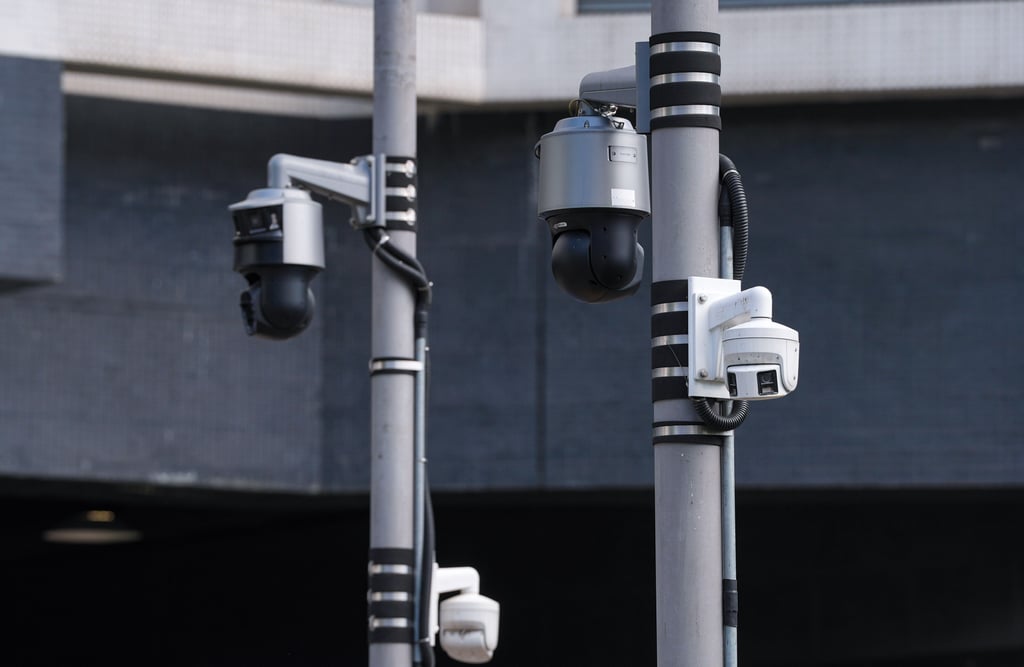
Video footage would be kept for no more than 31 days to balance operational needs with available resources.
But the force said it planned to retain data generated by the facial recognition function for up to 180 days because it took up less storage space than video footage. Such data would include records of when and where a person appeared on camera.
The technology is also being adopted elsewhere in Hong Kong. The management office of Laguna City, a private residential estate in Lam Tin, recently announced plans to introduce facial recognition for access control.
But some residents raised concerns about the protection of their personal data, prompting the city’s privacy watchdog to launch a compliance check on the proposed system.
Facial recognition is also widely used for law enforcement in jurisdictions including mainland China, the United Kingdom and the United States, although its deployment has drawn controversy.
The UK government said police use of facial recognition was increasing across England and Wales and had proved to be “a valuable tool” for modern policing, particularly at large events.
But it acknowledged concerns about the technology, saying its deployment had triggered “significant public concern about proportionality, privacy rights, and the risk of racial bias and discrimination”.
The concerns prompted the government to propose a consistent legal framework governing the use of facial recognition in law enforcement.
KioskNews shows a cleaned-up reading view extracted from the publisher’s page — the original always lives on their site, not ours.