SIR exercise: After Pilibhit, Azamgarh roll ‘errors’, UP CEO orders scrutiny of all Forms 6, 7, 8 filled by computer assistants
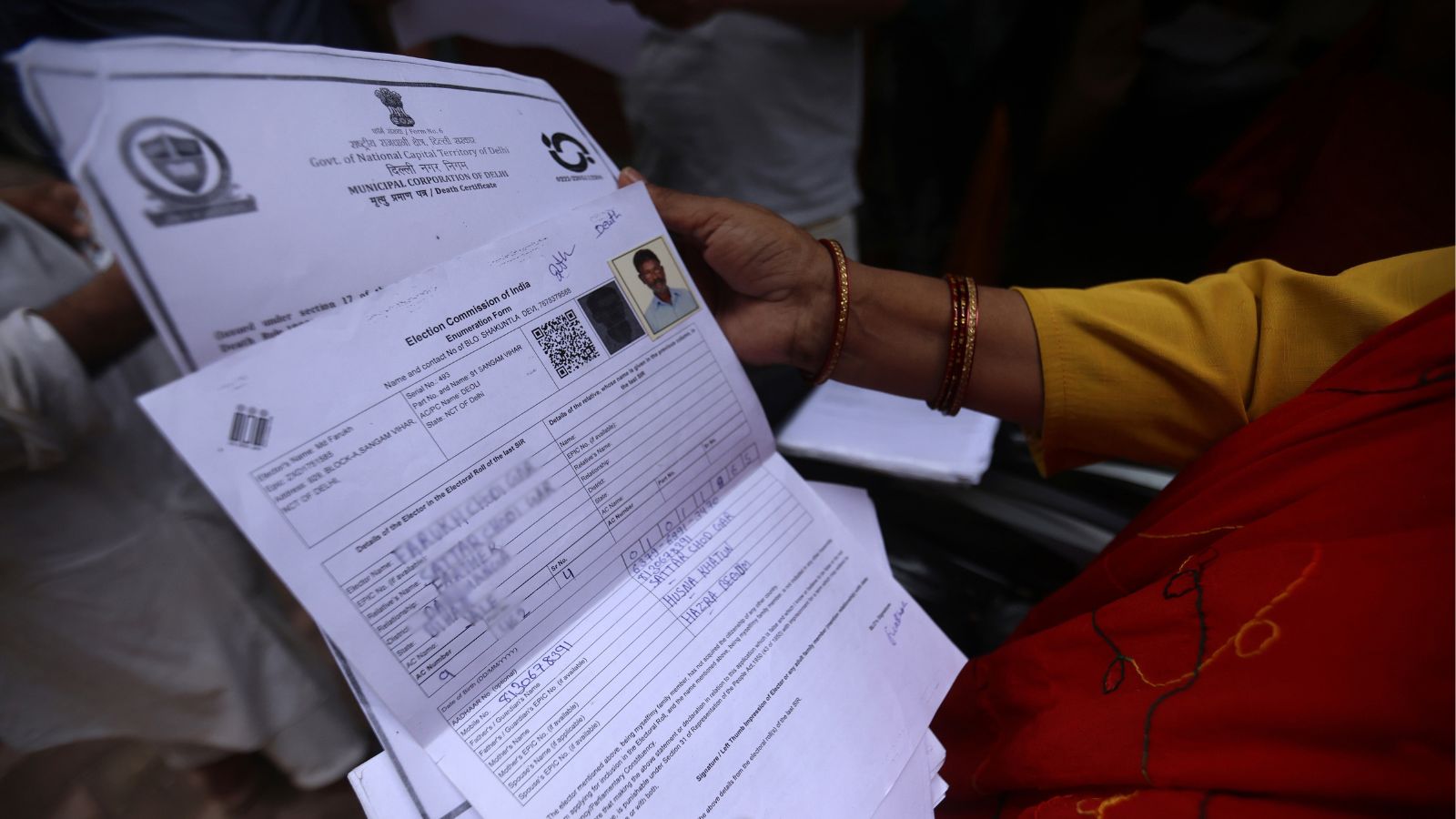
In the wake of discrepancies found in voter rolls of Pilibhit and Azamgarh Assembly constituencies, triggering scrutiny of the electoral registration process, Uttar Pradesh Chief Electoral Officer (CEO) Navdeep Rinwa on Sunday directed officials to scrutinise all Forms 6, 7 and 8 entered by computer assistants since the conclusion of the Special Intensive Revision (SIR) on April 10 this year. He also warned of strict action against officials responsible for any recurrence of irregularities.
Both in Pilibhit and Azamgarh districts, the CEO had removed the computer assistants after discrepancies in the electoral roll emerged.
While Form 6 is used for inclusion of a person’s name in the electoral roll, Form 7 is used to object to the proposed inclusion of a name or to request deletion of an existing entry from the electoral roll. Form 8 is the official, multipurpose application used by voters to update, correct, or replace their voter details and Electors Photo Identity Card (EPIC).
After a virtual session with Divisional Commissioners, District Election Officers (DEOs), Electoral Registration Officers (EROs), Assistant Electoral Registration Officers (AEROs) and computer assistants recently, the CEO’s office issued a series of directions ahead of the Special Summary Revision (SSR) of electoral rolls.
The directions include fixing the responsibility on the EROs, AEROs and computer assistants for irregularities, while the DEOs will also be held accountable for lax supervision.
Divisional Commissioners, who are designated Roll Observers, have been asked to ensure intensive monitoring of electoral roll-related work in the districts under their jurisdiction. “Action will be taken against officials found negligent,” the CEO said.
Officials were also directed to study Section 32 of the Representation of the People Act, 1950, which deals with breaches of official duty in connection with the preparation, revision and correction of electoral rolls.
Story continues below this ad
The CEO’s office said errors identified during investigations into complaints received from political parties and through social media must not recur. Officials were instructed not to share their ERONET login IDs and passwords with anyone.
Role of computer assistants limited
As part of measures to strengthen the verification process, computer assistants have been barred from entering applications received in physical forms. “All such forms must be digitised by Booth Level Officers (BLOs) through the BLO App,” the directive stated.
“The mandatory scrutiny of Forms 6, 7 and 8 entered by computer assistants between April 10 and October 24 is aimed at preventing a recurrence of cases such as the one reported in Pilibhit,” an official said.
In Pilibhit Sadar seat, “irregularities” were found in 10,470 entries in the electoral roll with different names allegedly showing up against the same EPIC number. On Thursday, the CEO had ordered legal action against two EROs and termination of services of a computer assistant at the constituency’s Voter Registration Centre.
Story continues below this ad
In Azamgarh, 13 entries bearing the name Vikas Yadav appeared in the electoral roll of the 347-Azamgarh constituency.
Meanwhile, the EROs have been directed to review all pending Forms 6, 7 and 8 daily and ensure their prompt disposal in accordance with rules. Physical application forms must also be preserved securely.
Strict deadline to resolve complaints
The CEO’s office has also instructed EROs to ensure the timely and effective disposal of all complaints received since April 10 through the National Grievance Service Portal (NGSP), the Public Grievance Redressal System (PGRS), social media and other channels.
The DEOs of Bulandshahr, Sitapur, Ghaziabad and Aligarh were pulled up for failing to submit reports on time regarding complaints about duplicate voters circulated on social media. They have been directed to send their reports at the earliest.
Story continues below this ad
Officials were also told to ensure that no call request received under the “Book A Call With BLO” service on the ECINET app and the Election Commission’s voters’ portal, voters.eci.gov.in, remains pending for more than 48 hours.
The CEO’s office warned of strict action if BLOs mark citizens as “Unavailable” without attempting to contact them or fail to respond to call requests within the stipulated time, causing inconvenience to voters.
Reviewing complaints received during the special campaign day held on October 24, the CEO’s office sought reports on BLOs who arrived late at polling stations or remained absent. Officials were cautioned that such complaints would not be tolerated during special campaign days to be organised as part of the upcoming SSR exercise.
The office has also directed officials to take timely steps to remove all existing duplicate entries from electoral rolls and ensure that the draft rolls published during the forthcoming SSR do not contain duplicate entries.
Story continues below this ad
ECINET training, password reset
During the meeting, officials were trained on ECINET through a presentation detailing the information and processes available on the dashboards of district election officers, EROs and AEROs.
All officials were instructed to update their personal mobile numbers on the portal in place of their Closed User Group (CUG) numbers to prevent disruption of work during BSNL network outages. They were also directed to change their passwords immediately in accordance with the prescribed password policy.
The directions are intended to strengthen supervision, improve the accuracy of electoral rolls and ensure accountability at every level ahead of the next revision exercise.
KioskNews shows a cleaned-up reading view extracted from the publisher’s page — the original always lives on their site, not ours.