The UK's octopus boom is a gift and a curse for local fisherman

British octopus landings have jumped nearly 1,500% from 2021, rising to more than 3,700 metric tons from an annual average of about 220 tons.
That explosion prompted fishermen, regulators and scientists to gather this week at a conference hosted by the government.
The government said on Friday the conference would help inform future decisions on managing the emerging fishery, a challenge Spain and Australia have also faced in recent years.
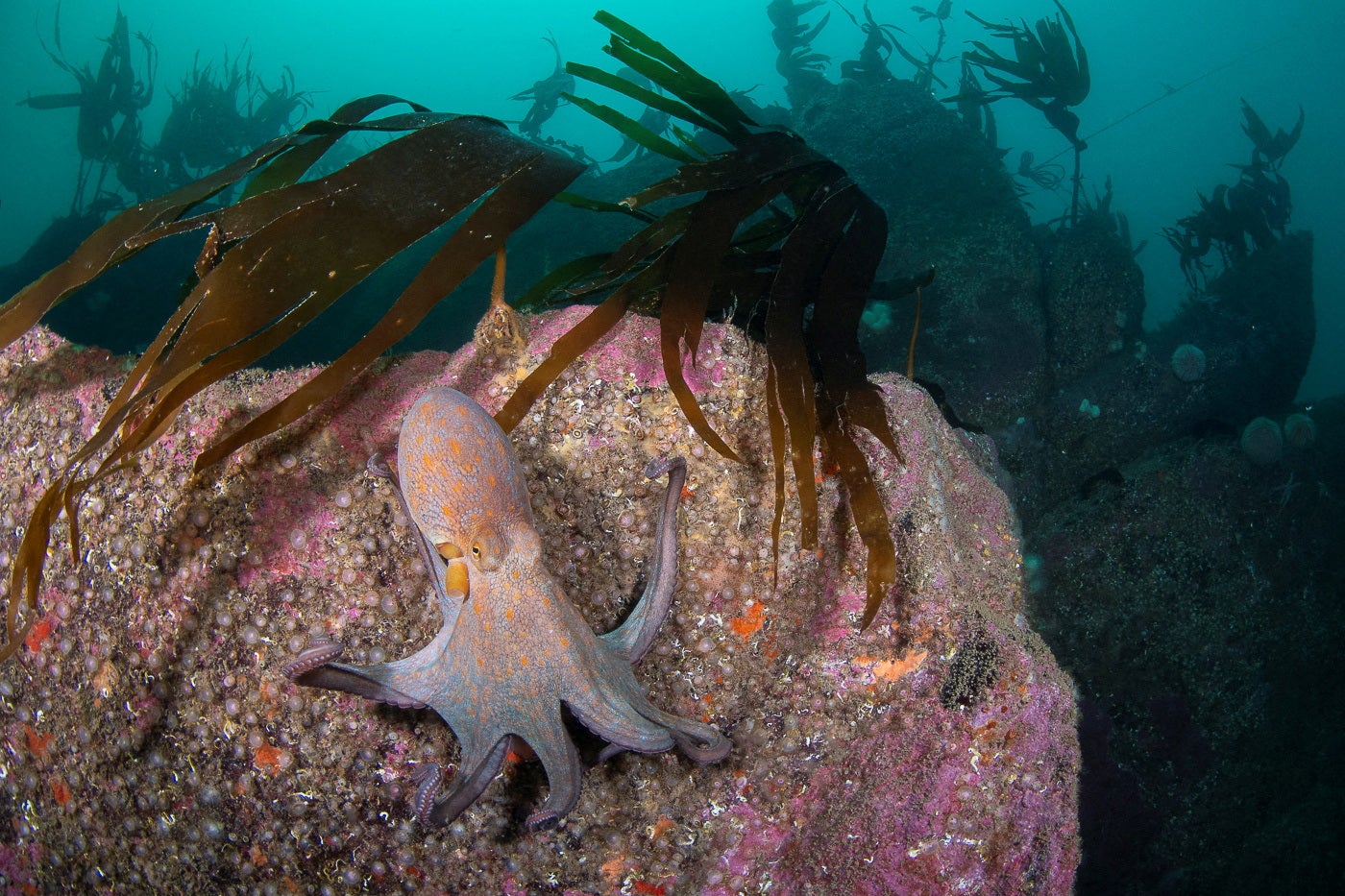
Unusually warm seas are behind the surge in octopus numbers in British waters, which is presenting fishermen with an interesting new catch – albeit one that's devouring one of their usual staples.
The boom has already transformed the export market.
The value of British octopus exports rose to £12.8 million ($17 million) last year from £164,000 a year earlier, according to industry body Seafish.
Demand has been driven largely by buyers in France and Spain.
But the picture is not straightforward for the fishing industry.
While some fishermen have found a valuable new catch almost overnight, others say the predators are damaging shellfish stocks that underpin long-established fisheries.
Researchers found that more than half of UK fishermen had reported negative impacts from octopus predation on crab, lobster and scallop stocks.
Catches in some fisheries have fallen by 30% to 50%.
Losses to affected fisheries exceeded £10 million in 2025.
Scientists studying the phenomenon say the current bloom is the largest seen off southwest Britain in at least 75 years.
"The sudden arrival of this fast-growing, short-lived and highly predatory species into British waters upends a lot of our established knowledge and expectations about our coastal ecosystems," said Mike Cohen, CEO of the National Federation of Fishermen's Organisations.
"They are both a threat and an opportunity for fishermen, and a massive challenge for fisheries management."
Anjali Goswami, chief scientific adviser in the government's environment department, said the rise in octopuses in British waters was "a stark reminder of how quickly our marine ecosystem can change".
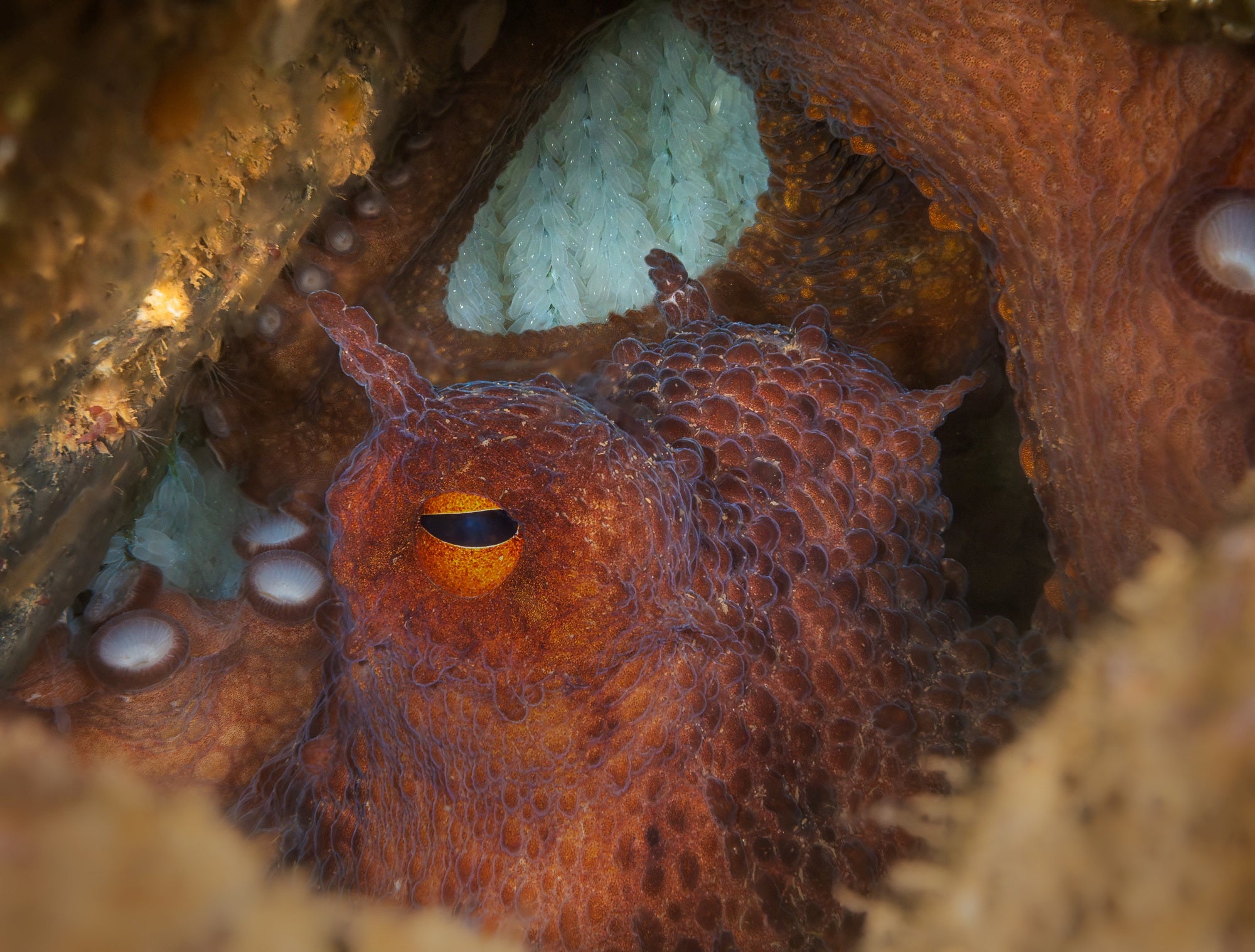
Researchers have also reported widespread breeding of common octopus in British waters during the current event.
They say warmer waters, together with ocean currents and winds that may have carried octopus larvae north from France and the Channel Islands, are among the most likely contributors to the surge.
Research published this year found that every major octopus bloom recorded in the region over the past 125 years had coincided with unusually warm sea conditions.
KioskNews shows a cleaned-up reading view extracted from the publisher’s page — the original always lives on their site, not ours.