How South Korea can play pivotal role in Philippines’ military modernisation drive
The Philippines’ military modernisation drive could offer South Korea an opportunity to transform its role as a major arms supplier into a deeper defence partnership, analysts say.
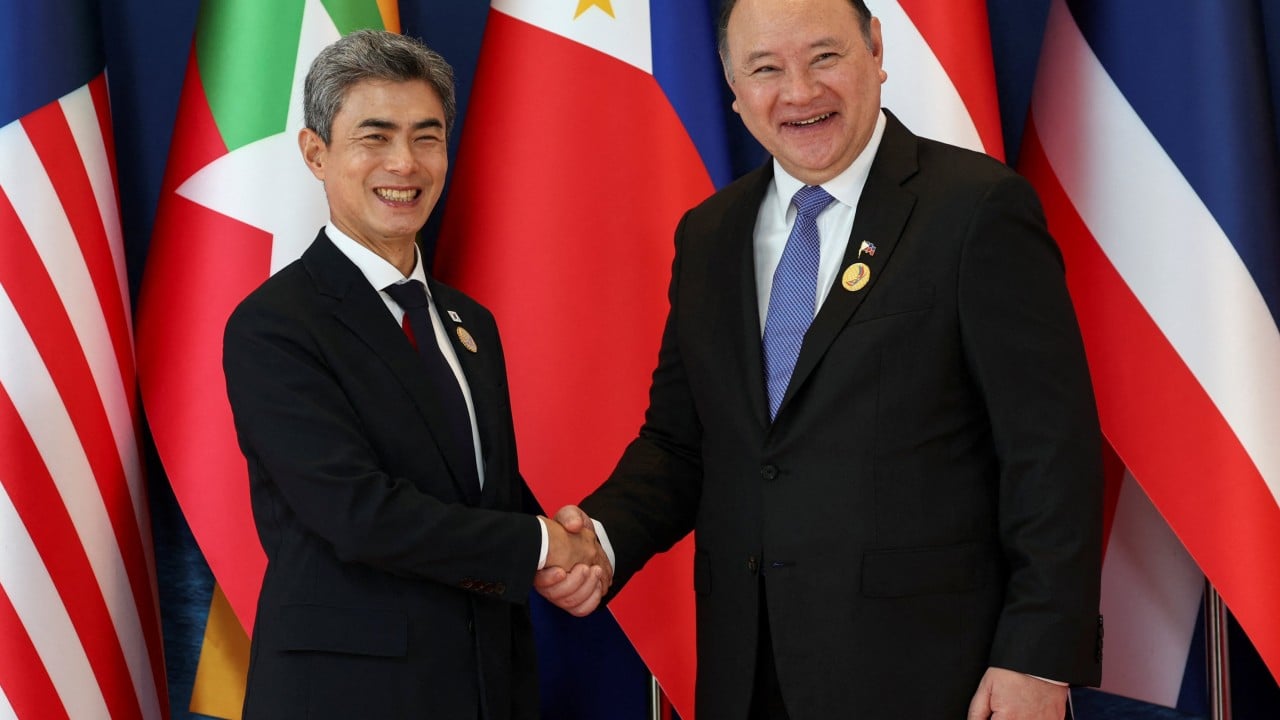
This prospect gained fresh momentum after Philippine Defence Secretary Gilberto Teodoro Jnr and his South Korean counterpart, Kang Shin-chul, agreed to deepen cooperation in military modernisation, defence technology and joint training on the sidelines of an Asean security summit in Cebu last week.
Teodoro reaffirmed Manila’s readiness to work with Seoul last week, describing both countries as having “brother-and-sister” ties.
During his visit in September for the Seoul Defence Dialogue, he praised South Korea as a defence industry partner.
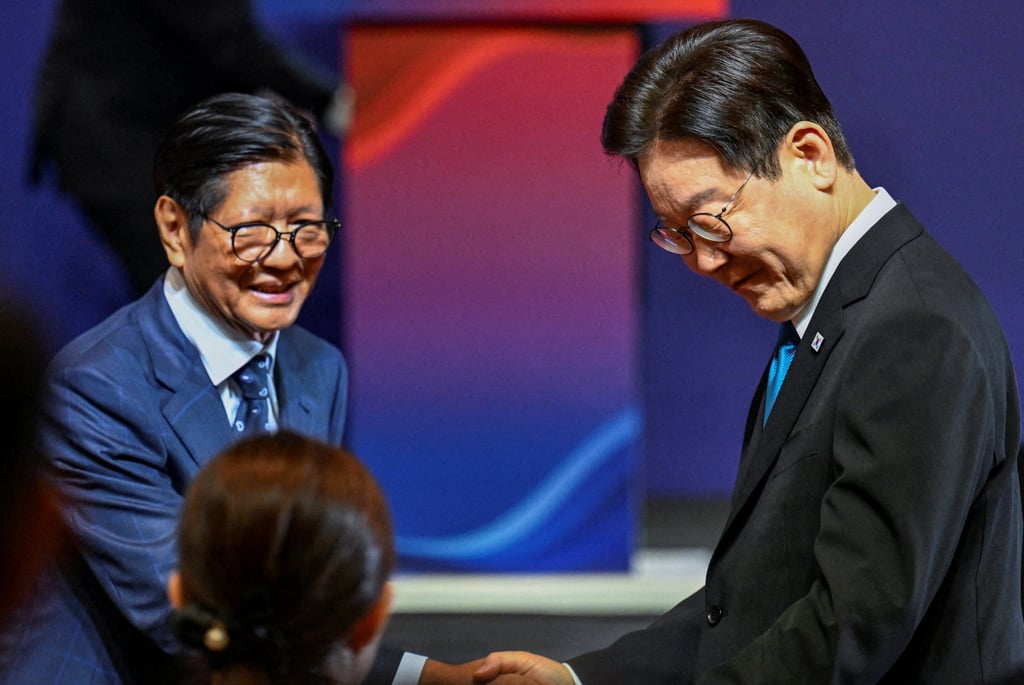
“The most important thing is that our countries are strategically aligned, which is why we have confidence in the Republic of Korea as a reliable partner for our defence modernisation,” he said in an interview with The Korea Herald that month.
As it strengthens its maritime posture, the Philippines has increasingly acquired South Korean defence equipment, including Korean-made FA-50 light combat aircraft and warships. “Almost all” new frigates and corvettes in the Philippine Navy were made in South Korea, Teodoro confirmed in Seoul, but stressed that the relationship between Manila and South Korea should move beyond acquisition towards co-production.
Ripe ground
Seoul has long viewed Manila as an attractive defence industry market.
“The Philippine economy is growing, and as the country faces increasing challenges from China, it requires more advanced weapon systems,” said Dongkeun Lee, a policy fellow at the Asia-Pacific Leadership Network. “This means that the Philippines is no longer simply seeking transfers of ageing, decommissioned vessels from South Korea but is increasingly interested in acquiring sophisticated weapons systems.”
History also plays a part. The Philippines was one of the few Southeast Asian countries that sent troops under the UN Command during the Korean war.
“When South Korea considers potential partners for military cooperation, their historical contributions during the Korean war often become an important factor. Given the Philippines’ historical role, this has helped strengthen military ties between the two countries,” Lee said.
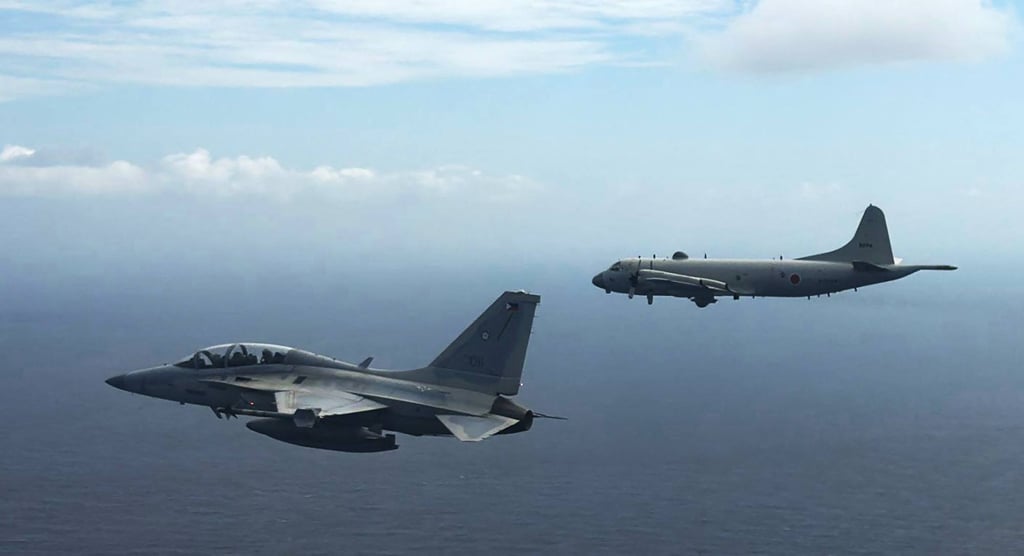
The Philippines accounted for 18 per cent of South Korea’s arms exports between 2021 and 2025, making it the second-largest destination after Poland, according to Sanghun Seok, a senior associate fellow at the Royal United Services Institute.
And as exports to Poland mainly involved land-based weapons systems, the Philippines was an important hub for South Korea to showcase its naval and air platforms to wider export markets in the region, the security analyst said.
“These interests align with the Philippines’ need to strengthen its maritime and island defence capabilities, creating momentum for deeper, longer-term cooperation.”
Frequent leadership meetings this year as well as an elevated bilateral strategic partnership in 2024 that included the inclusion of maintenance in the procurement arrangement, “all provide a framework for moving beyond one-off sales towards cooperation throughout the equipment’s life cycle”, Seok added.
Submarine potential
Two major developments worth watching were the Philippines’ future frigate and submarine acquisition programmes and the modernisation of the Subic Bay shipyard by Hyundai Heavy Industries, Lee said.
Both Hyundai Heavy Industries and its fellow South Korean firm, Hanwha Ocean, are in the running to supply the Philippines with warships and diesel-electric submarines.
“Considering that Hyundai Heavy Industries operates a shipyard in Subic Bay, its bid could also involve using the facility for future MRO activities. Hyundai Heavy Industries has already expressed interest in developing its Subic Bay shipyard into an MRO hub earlier this year,” Lee said, referring to maintenance, repair and operations.
Hanwha Ocean recently upgraded its submarine proposal to the Philippines, offering its Jangbogo-III PN, a Philippines-specific design based on the KSS-III submarine, as well as the construction of a submarine base, maintenance facilities and training for Filipino personnel.
“The success of the Philippine submarine programme will ultimately depend on whether it can go beyond a one-off arms sale to build a strategic partnership,” Seok said. “This is also why Hanwha Ocean, Hyundai Heavy Industries and competitors from other countries are offering packages that include not only submarines but also support for building the capabilities needed to operate and maintain them.”
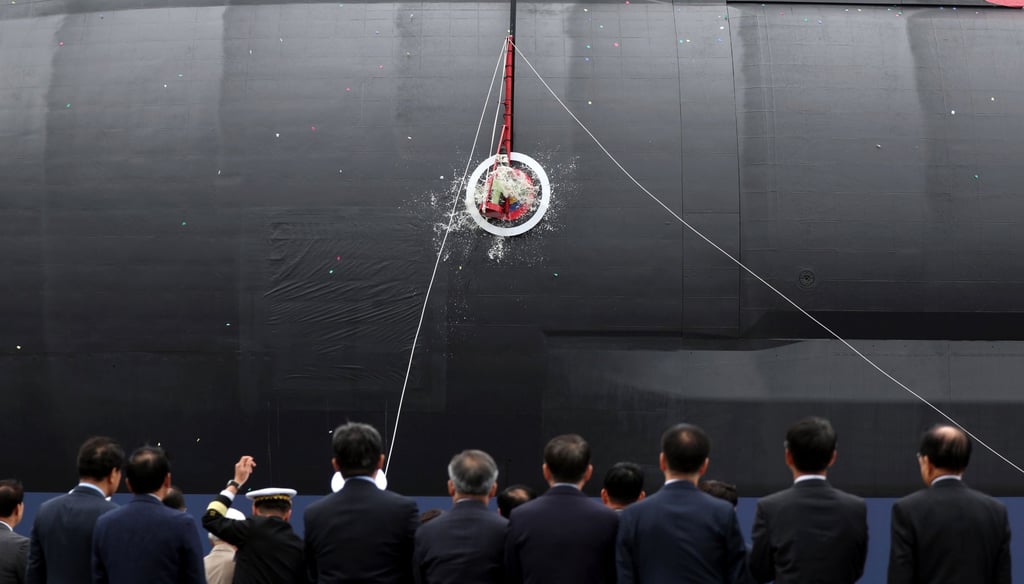
The key consideration was “not simply the submarines themselves but the broader ecosystem required to build, operate and maintain them”, Lee said. “From this perspective, Hanwha Ocean has put forward an attractive proposal.”
Hanwha Ocean was more eager for a deal because, unlike Hyundai Heavy Industries, it did not have an established shipyard in the Philippines or a previous track record of delivering warships to the Philippine Navy, he added.
The outcome of the submarine procurement programme could influence which partner the Philippines worked with over the medium to long term, Seok said. “It could create the potential for South Korea-Philippines defence cooperation to move beyond existing platform sales and MRO towards a higher level of strategic and industrial cooperation.”
This could pave the way for technology transfer and training between South Korea and the Philippines – as Seoul has done with other countries.
In 2024, Hyundai Heavy Industries signed a US$463 million agreement to build four naval vessels locally in Peru, with the Korean side providing design and production know-how and technician training, while working with local equipment suppliers.
In Southeast Asia, Daewoo Shipbuilding & Marine Engineering, Hanwha Ocean’s predecessor, provided the technology for the local assembly and construction of Indonesia’s KRI Alugoro submarine. Delivered in 2021, it was the third submarine export to Indonesia.
“The extent to which these models can be applied directly to the Philippines would depend on the level of agreement that the two governments and the companies involved can reach. However, the current direction of bilateral defence cooperation suggests that there is growing potential,” Seok said.
However, Lee was more sceptical, believing that South Korean firms were more likely to “prioritise commercial shipbuilding, including merchant vessels such as oil tankers, rather than defence-related shipbuilding projects”.
“In fact, Hyundai Heavy Industries has already launched its first vessel built at the Subic Bay shipyard,” he said.
KioskNews shows a cleaned-up reading view extracted from the publisher’s page — the original always lives on their site, not ours.