UK’s preparation for food shortages is ‘woefully inadequate’, experts warn
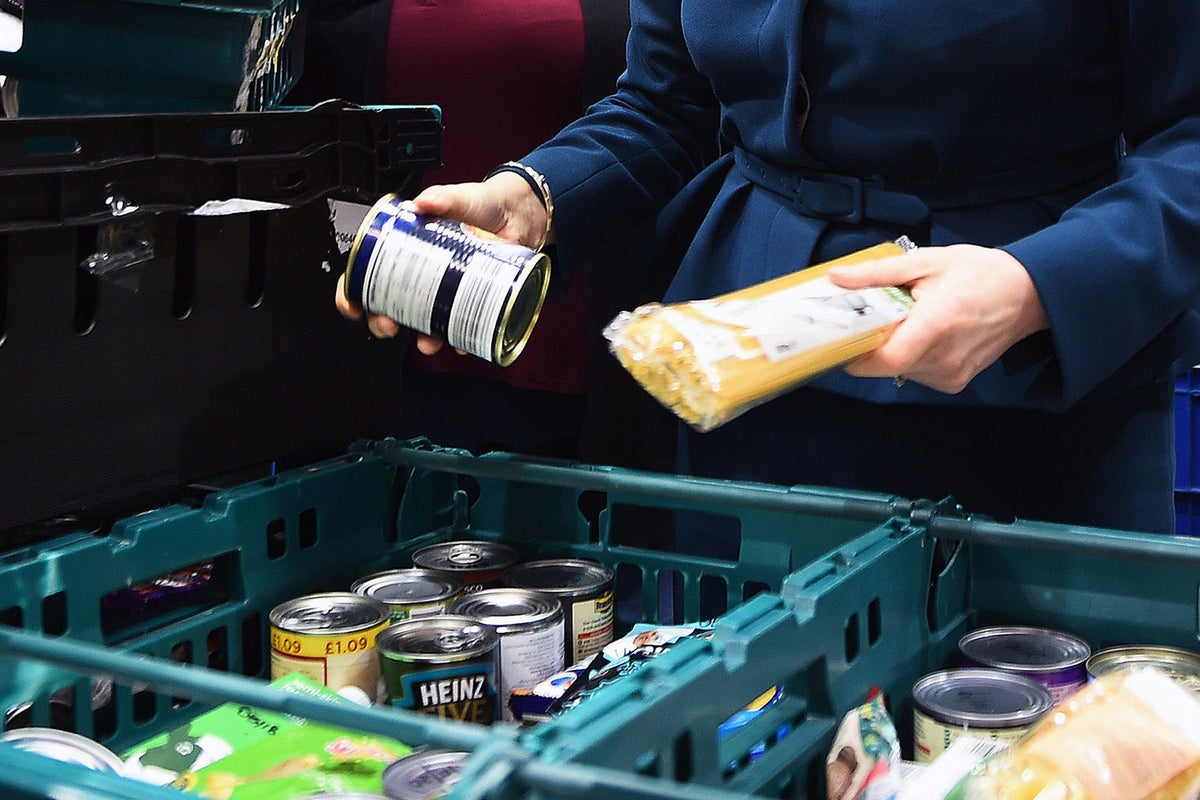
Britain has “no plan” to feed the country in the event of a crisis and is desperately unprepared to deal with food shortages, a group of more than 150 experts have warned in a letter to Andy Burnham.
The letter warns the UK is “complacent” on the issue of food security, and suggests crises including climate change, cyber-attacks, geopolitical shifts, and energy challenges could all put the country’s food supply under immense pressure.
Experts told the prime minister households will be unable to afford to stockpile food themselves, and urged the government to create national, regional, local and community food storage schemes that could be used in case of emergency.
“The hard truth is that the food system built over recent decades is not fit for today’s or tomorrow’s challenges,” the letter says. “The UK’s home production is woefully inadequate in many different food types.”
It goes on to add: “The public has been led to assume that food will simply be there. It may not be, unless the UK’s food system is transformed for the world of climate, ecosystem, and geopolitical volatility.”
Experts also call on the government to create a new system of local food resilience committees under the Civil Contingencies Act 2004 (CCA), examine the UK’s reliance on a few very large food companies and food imports, and support the decentralisation of the UK’s food supplies.
Britain should also boost its production of legumes, nuts, fruit, and vegetables, and “realign” national food production with nutritional needs, according to the letter signed by Dr Tim Lang, Professor Emeritus of Food Policy at City St George’s University of London, Professor Paul Behrens from Oxford University, and other academics and local charity leaders.
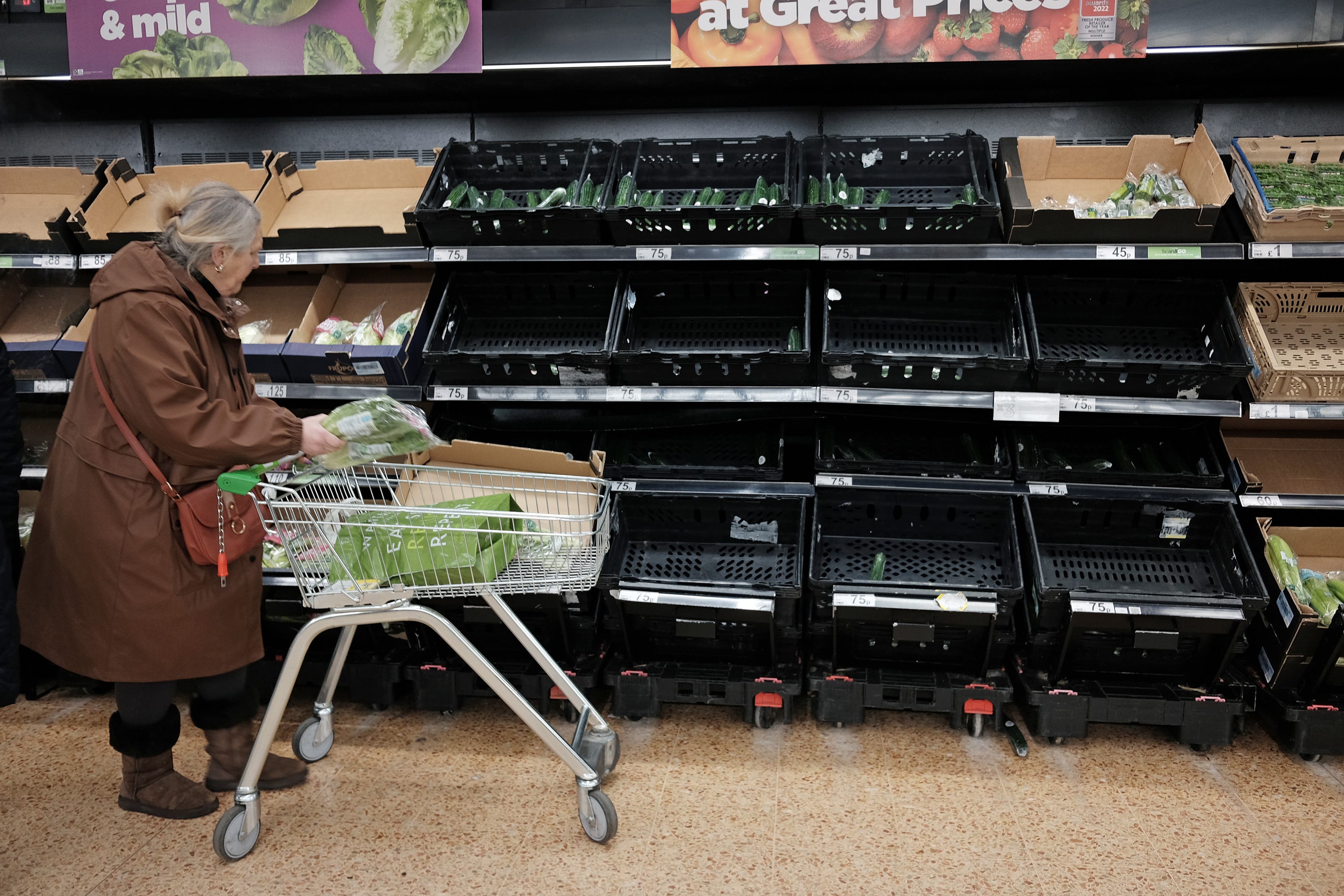
“The UK (along with the West) is entering a new era in which food supplies will be disrupted, public expectations may not be met and food can be weaponised,” it says. “The food system is exposed to shocks and threats from geopolitics, climate heating, ransomware, energy outages, software malfunction and disinformation.
“These shocks will fall upon a system that is highly wasteful, import-dependent, environmentally unsustainable, and driven by the pursuit of private profit rather than resilience, with millions of people unable to afford a decent, healthy diet.”
The letter was sent ahead of Monday’s call for evidence deadline for updating the CCA, which allows the government to make unprecedented legislative changes in an emergency.
It comes after defence secretary Wes Streeting warned last week that UK households should keep small supplies of cash, bottled water and tinned food at home in case of emergency or war. He said Britain faces a growing threat of being disrupted by fires, floods, and enemy attacks, including cyber warfare. The National Audit Office (NAO) also told ministers last month that the government must do more to make its food supply systems more resilient.
It follows the UK’s hottest summer on record, after which a National Farmers’ Union study revealed the UK's self-sufficiency has dropped across 10 out of 11 primary commodities over the last 30 years, as declining production or surging consumer demand outpaced supply.
The Independent has contacted the Department for Environment, Food and Rural Affairs (Defra) for comment.
KioskNews shows a cleaned-up reading view extracted from the publisher’s page — the original always lives on their site, not ours.