Parliament Hasn't Sat In 41 Days, But Monsoon Session Isn't Technically Over
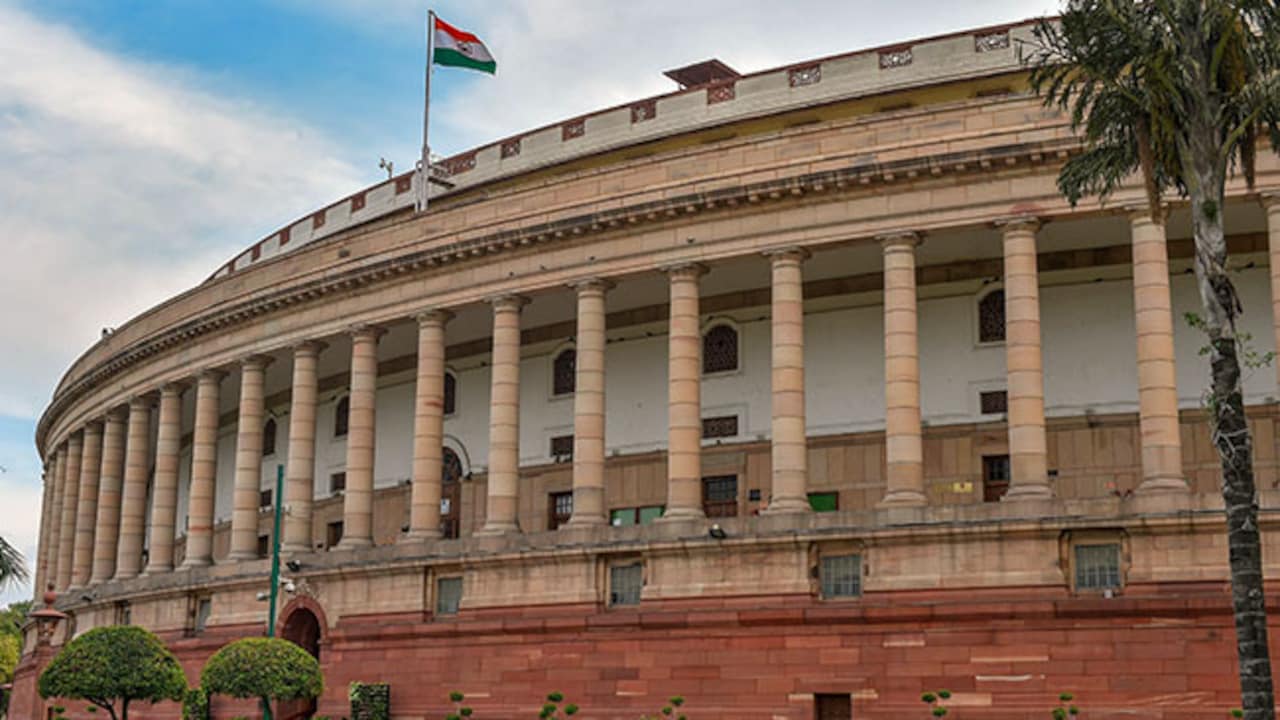
Parliament's Monsoon Session officially ended on August 13, when both Houses adjourned sine die, parliamentary language for closing a sitting without fixing a date to reconvene. What hasn't happened since is prorogation, the formal act that actually brings a session to a close. Forty-one days on, that step still hasn't been taken.
NDTV has accessed a copy of Practice and Procedure of Parliament, the standard reference on how the process is meant to work. According to it, the usual gap between sine die adjournment and prorogation is two to four days. The current gap is well over five weeks.
The Old Records, And How Far This Beats Them
The book does list a handful of outliers from parliamentary history, moments when governments sat on a session far longer than usual. The largest was in 1975, when the Fifth Lok Sabha went 27 days between adjournment and prorogation. Other instances include 26 days in 1993, 25 in 1988, 20 later that year, 16 in 1979 and 15 in 1984. None of these reached 41 days.
The most recent comparable case was in 2015, the last Monsoon Session where prorogation was delayed in a similar way. That gap was 28 days, according to the Ministry of Parliamentary Affairs. This year's gap crossed that figure on 10 September.
Read: 2 Rajya Sabha Members Made Special Invitees To Joint Panel On FCRA Bill
Why Sine Die Is Not The Same As The Session Ending
Adjournment sine die means the sitting has paused, with no date fixed for the next one. Under the Constitution, the session itself is still considered active.
Prorogation is the formal act that ends a session. It is exercised by the President under Article 85(2), on the advice of the government.
Because the session has not been prorogued, Parliament could technically be summoned again within the same session, without a new one being convened. The reference document notes that this has happened before: a House was adjourned sine die, left unprorogued, and later reconvened within the same session rather than a new one.
This Is Not The Longest Session On Record
Two separate points are worth distinguishing here. The 2026 Monsoon Session itself, with 19 sittings over 25 days, was a typical length. What stands out is the period after it ended, the length of time it has remained unprorogued.
Why The Delay
There is no confirmed explanation for the delay.
Some observers suggest that keeping the session technically open would allow Parliament to be recalled without convening a new session. Other reports have linked the delay to a possible special sitting on pending legislation related to women's reservation and delimitation. Neither explanation has been officially confirmed.
KioskNews shows a cleaned-up reading view extracted from the publisher’s page — the original always lives on their site, not ours.