Leading medic warns A&Es are in 'big trouble' heading into winter
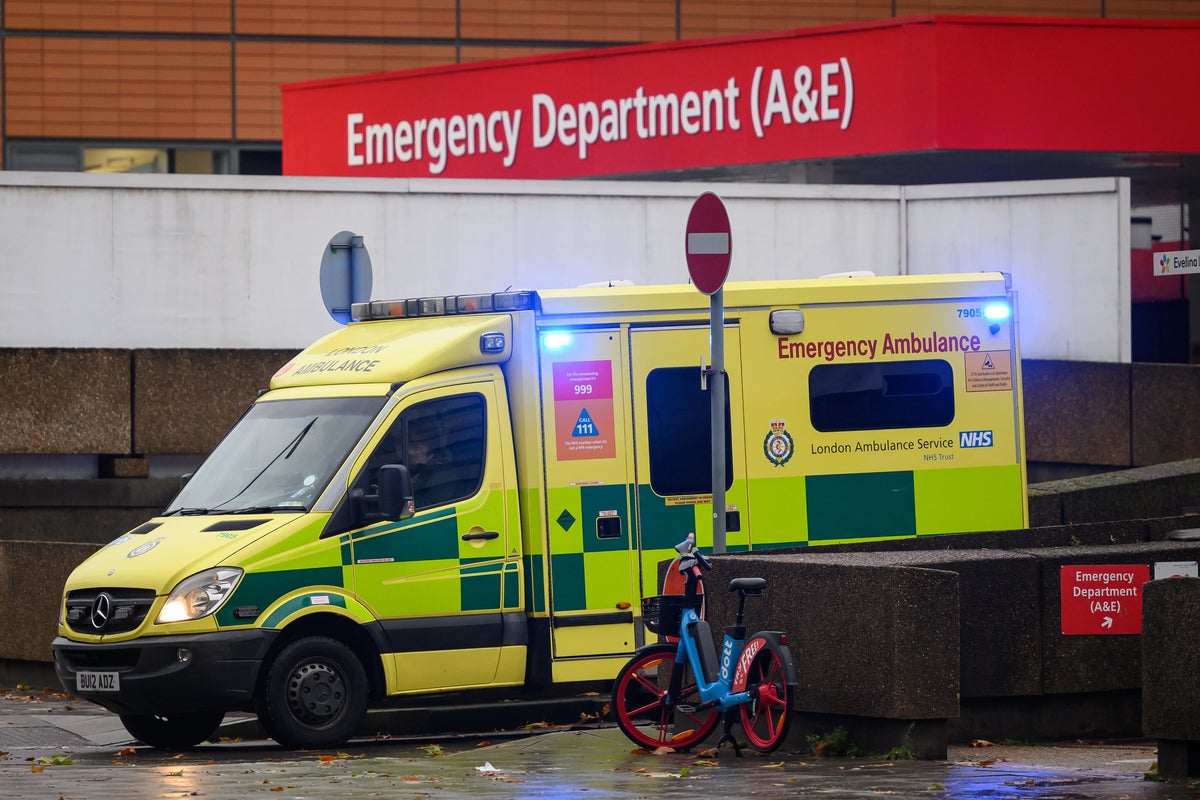
A leading medic has warned accident and emergency (A&E) departments are in “big trouble already” as they head into winter, with many already “on their knees”.
President of the Royal College of Emergency Medicine Dr Ian Higginson says hospitals are going into the busiest time of year with 1,000 fewer beds than last winter.
He implored ministers to reopen beds in struggling hospitals, among a range of measures to alleviate pressures on hospitals during the winter.
Dr Higginson told MPs that emergency doctors are acting as “traffic control and risk management” as patients face long waits in A&E and corridor care.
MPs on the Commons Health and Social Care Committee were told that money is a key driver for hospitals, with performance “either equal or close second”.
Dr Higginson said a poll of leading A&E doctors found two-thirds said their emergency department was fairly or very unsafe and almost nine in 10 said they were under greater strain now than last year.
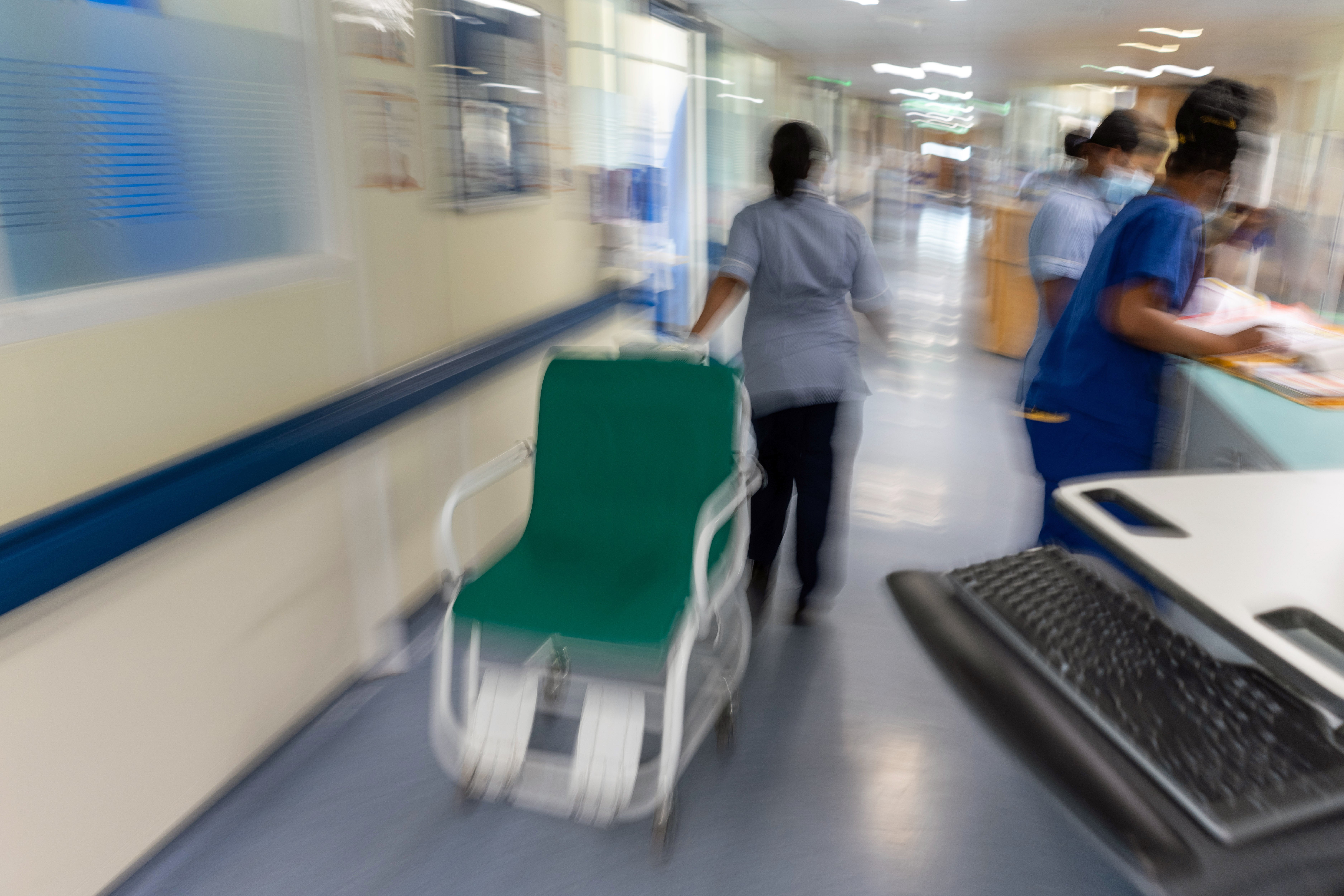
He said: “We are going into winter with our departments in big trouble already, and many on their knees.
“Our patients are still in corridors. We know that about 16,000 of our patients in England are dying in excess of that expected, linked to long waits in our departments.”
Dr Higginson told MPs that only a small number of hospitals are doing well on corridor care while “the vast majority are in trouble”.
“There are islands of excellence in the midst of a sea of doom,” he said.
He said there is “financial pressure on leadership teams within hospitals” as he described how recruitment freezes were affecting staff levels, adding: “That’s in departments which I’ve already described as being actively unsafe with staff that are pretty broken.
“There’s a lot of balancing of financial priorities versus operational priorities going on.
“To me, it feels like money is the key financial driver, with performance either equal or a close second.”
Latest NHS data show that September was the busiest on record for patients attending A&E, with 2.44 million people seeking help from emergency departments.
Dr Higginson said there is a “failure in planning” for winter due to a lack of acknowledgement of data which show A&E attendances are rising.
“If we were any other industry, we’d be saying: ‘Look at this demand, let’s prepare for it, let’s build the capacity, let’s build the skills so that we can see ahead’.
“I think it is partly recognised, but a lot of NHS planning is a triumph of optimism over reality.”
He added: “This winter, more patients will get respiratory illnesses; there will be flu, there will be RSV, there will be norovirus.
“We know that’s going to happen, all we need to do is accept that and plan for it.”
It comes after the government announced it was repurposing £40 million GP cash to enable family doctors to identify and give extra care to patients they believe are most at risk of becoming seriously unwell in the winter.
While the move aims to reduce pressure on hospitals, Dr Higginson told MPs that “much of what we need is long-term” and it is “too late to make an impact this winter”.
Matthew Hopkins, from the NHS Alliance, which represents NHS trusts, said there is a “significant trade-off” where “money and hitting financial targets” was having an impact.
He added: “To close a 30-bed ward probably saves you about £2 to £2.5 million recurrently; those are big numbers, and obviously the opposite is true of reopening a ward for winter pressures, particularly if you’re going to need to use temporary staff, which again is another measure that the NHS is being pushed to reduce the dependence on bank and agency staff.”
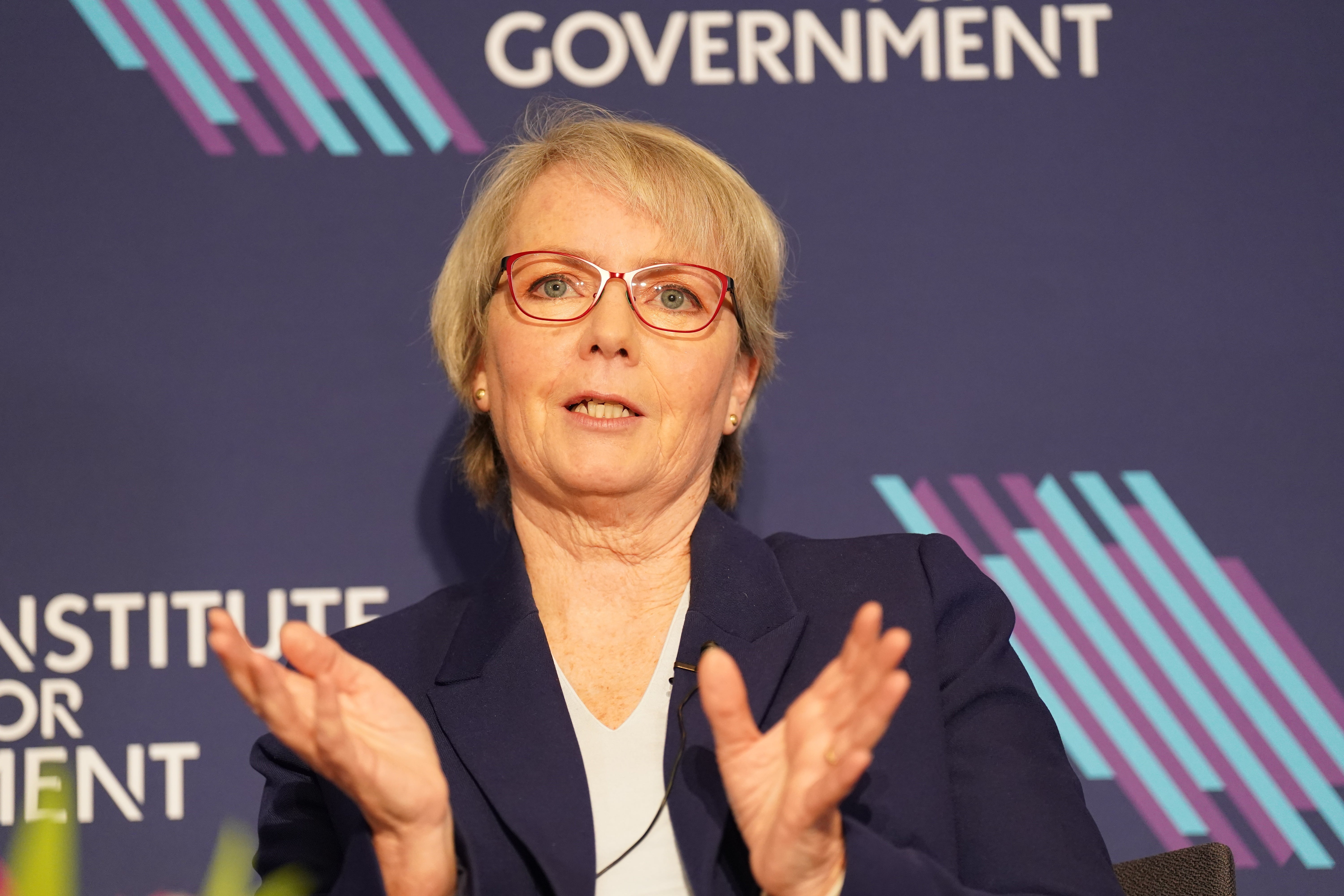
Dr Higginson called on the Government to take some immediate steps to alleviate pressures this winter, including opening up all available beds now, a call for “critical services” such as pharmacies to be open 12 hours a day, seven days a week, and an end to recruitment freezes.
Addressing the committee, Health Minister Karin Smyth said: “No-one expected six heatwaves in the summer, but the planning for this winter started in the system in May – I had my first meeting with the teams in June; it was 32 degrees outside the office when we had that meeting.
“I think it’s important to recognise, for the system and the measures that we have put in place, not only accepting that corridor care is unacceptable, and that we want to eradicate that, putting in measures to do that, but also recognising that, coming into this summer, ambulance times, for example, had improved. They are under more pressure now.
“And that the system had started to improve by some of the measures we’ve put in previously – looking at the wider system, making boards and leadership accountable and responsible for what they need to do, model ED, model pathways, the announcement around supporting GP practices, primary care to support people at home.
“Those are all measures that have been put in place in order to grasp this wider problem, which is a very pressurised system.”
KioskNews shows a cleaned-up reading view extracted from the publisher’s page — the original always lives on their site, not ours.