10 Best Low Fantasy Movies Of All Time

Senior Music Editor at Screen Rant, Sarah's love of sound and story drive the beat. A globetrotting brand whisperer and award-winning journalist, she’s built cross-cultural narratives around the world—but music has always been her true north. She launched DJ Mag North America, successfully introducing the iconic UK brand to the U.S. market. Previously, she carved a space for EDM inside the pages of VIBE, blending electronic and hip-hop culture long before it was trendy.
Fantasy does not always need another world. Some of the greatest fantasy movies of the 20th century built entire realms around their characters, but sometimes the stranger choice is to let something impossible happen in a world that looks almost exactly like ours.
That is where low fantasy thrives. Instead of sending its characters into sprawling invented kingdoms, these movies let angels appear in small American towns, ghosts walk out of cornfields, or an ordinary man wake up to the same morning again. The magic may never be explained because explaining it is rarely the point.
Low fantasy can overlap with comedy, romance, horror, and even dark fantasy, which is part of what makes the genre so difficult to pin down. These 10 movies take very different routes into the fantastical, but each uses something impossible to reveal more about a recognizable human world.
It's A Wonderful Life

For most of its runtime, It's a Wonderful Life barely resembles a fantasy movie at all. George Bailey's problems are painfully ordinary. He has spent years putting his own ambitions aside, money is tight, and by Christmas Eve he has convinced himself that everyone around him would be better off without him.
Then Clarence arrives. The angel gives George a glimpse of the world as it would exist if he had never been born, turning an everyday American drama into something supernatural without changing its emotional core. The ending of It's a Wonderful Life works because the fantasy is restrained enough to make George see his ordinary life differently rather than magically fixing it for him.
Field Of Dreams
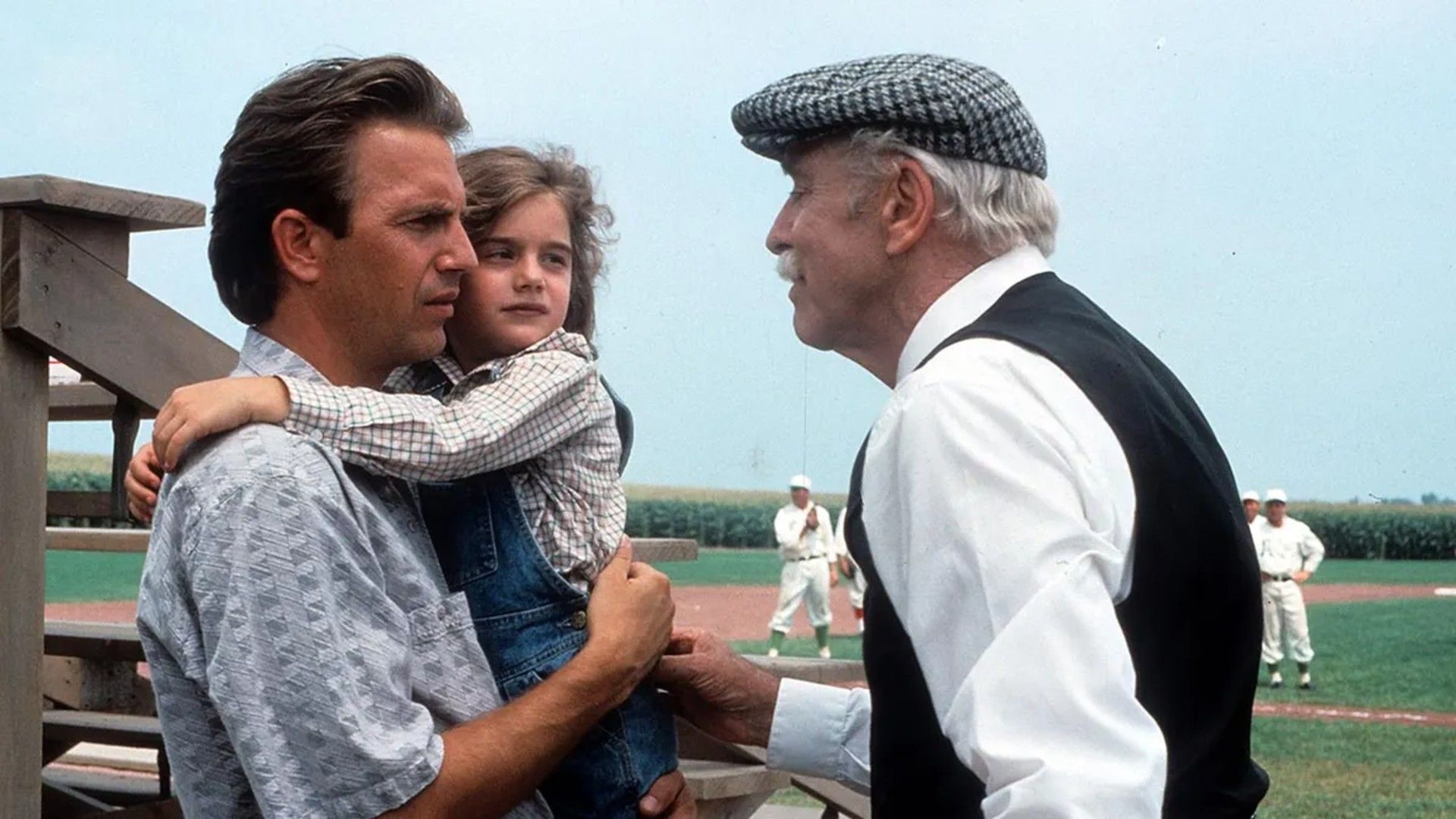
Field of Dreams takes an equally gentle approach to the impossible. Ray Kinsella hears a mysterious voice in his Iowa cornfield and, despite having no logical reason to trust it, becomes convinced he needs to sacrifice part of his livelihood to build a baseball diamond.
The ghosts who eventually emerge from the crops are treated less like supernatural visitors than people Ray somehow always needed to meet. The movie never wastes much time explaining where they came from. Even the meaning behind Field of Dreams' ending ultimately has less to do with magic than regret, family, and the second chances people rarely get in real life.
Groundhog Day
Phil Connors waking up to February 2 again should be terrifying. Groundhog Day instead turns its unexplained time loop into one of the funniest and surprisingly thoughtful fantasy premises ever put on screen, trapping Bill Murray's miserable weatherman in a tiny Pennsylvania town he already hated visiting once.
Nobody tells Phil why this is happening. There is no spell to break, ancient book to consult, or villain responsible for the curse. The only thing he can really change is himself. That simplicity makes Groundhog Day one of the purest examples of low fantasy: one impossible rule transforms an otherwise completely ordinary existence.
Pleasantville

Pleasantville begins with another impossible disruption of everyday life. Tobey Maguire and Reese Witherspoon play siblings mysteriously transported into a black-and-white 1950s sitcom, where every basketball shot lands and married couples sleep in separate beds because nothing unexpected is supposed to happen.
Their presence slowly begins changing that world, sometimes literally introducing color into it. Director Gary Ross uses the fantasy to explore conformity and repression without losing the fun of watching this seemingly perfect town malfunction. The more Pleasantville changes, the more obvious it becomes that perfection was only possible because its residents had never been allowed to experience much of life at all.
Edward Scissorhands

Tim Burton takes low fantasy directly into suburbia with Edward Scissorhands. Edward is an artificial young man left unfinished after the death of his creator, living alone in a Gothic mansion until an Avon saleswoman discovers him and brings him home to her aggressively cheerful neighborhood.
Nothing else about the world requires much explanation. Edward himself is the impossible element, and Burton uses the contrast to make ordinary suburban behavior look increasingly strange. Even the bright colors of the town in Edward Scissorhands help underline how little Edward belongs there, turning a bizarre premise into a surprisingly painful story about loneliness.
Being John Malkovich
The impossible thing in Being John Malkovich is hiding behind a filing cabinet. Craig Schwartz discovers a small door at his office that somehow leads directly into actor John Malkovich's consciousness, allowing anyone who enters to briefly experience the world through his eyes before being dumped beside the New Jersey Turnpike.
Charlie Kaufman's screenplay never seriously attempts to explain why the portal exists because an explanation would almost make it less interesting. Instead, the increasingly ridiculous premise becomes a way to explore jealousy, identity, desire, and the fantasy of escaping one's own life. The stranger the movie gets, the more uncomfortable its characters become.
Big Fish

Tim Burton returned to the blurred boundary between ordinary life and fantasy with Big Fish. Billy Crudup plays Will Bloom, a son attempting to understand his dying father, Edward, whose stories about his life have always involved witches, giants, improbable adventures, and details that become harder to separate from exaggeration.
That ambiguity is why Big Fish remains one of Tim Burton's most distinctive fantasy movies. The question is never simply whether Edward has been lying. His stories reveal how he understands his own life, and by the end, separating fact from fantasy feels much less important than understanding why he needed the stories in the first place.
The Shape Of Water
Guillermo del Toro places an unmistakably fantastical creature inside a recognizably human world in The Shape of Water. Sally Hawkins plays Elisa, a mute cleaner working nights inside a Cold War-era government laboratory where an amphibious humanoid has been captured and treated as little more than a specimen.
The creature is extraordinary, but almost everything surrounding him is painfully ordinary. Elisa's loneliness and the cruelty inside the facility matter more than explaining exactly where he came from. Del Toro even built the film's characters around different forms of isolation, allowing an impossible romance to become a deeply human story about people who have been pushed aside.
The Seventh Seal
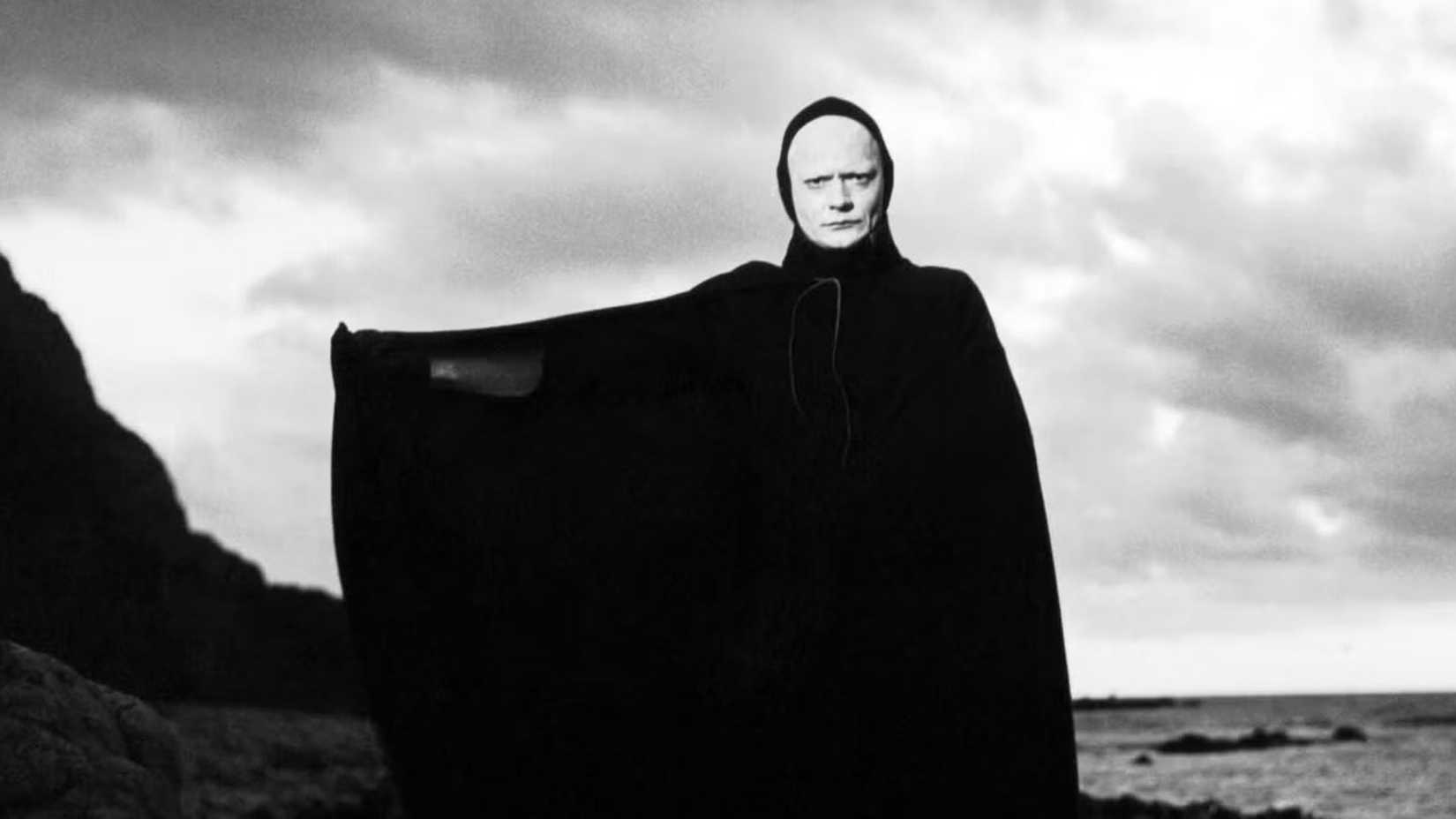
Ingmar Bergman's The Seventh Seal introduces perhaps the simplest supernatural character imaginable: Death himself. A knight returning from the Crusades encounters Death waiting for him on a beach and challenges him to a game of chess, hoping to delay the inevitable long enough to find some meaning in his life.
Bergman does not construct an elaborate fantasy world around that encounter. Medieval Europe remains consumed by plague, fear, and human suffering. Death simply walks through it like another traveler. That restraint makes his presence even more unsettling, allowing one impossible figure to open enormous questions about mortality and faith without requiring any larger mythology.
Pan's Labyrinth

- Release Date
- January 19, 2007
- Runtime
- 118 minutes
- Director
- Guillermo del Toro
- Writers
- Guillermo del Toro
- Producers
- Alfonso Cuarón, Bertha Navarro, Frida Torresblanco, Guillermo del Toro, Álvaro Augustin
-

Sergi López
Capitán Vidal
-

Ivana Baquero
Ofelia
Pan's Labyrinth may be the clearest example of how powerful low fantasy becomes when the real world is frightening enough already. Guillermo del Toro sets Ofelia's story against Francoist Spain, where her fascist stepfather Captain Vidal is considerably more terrifying than most of the creatures waiting inside the labyrinth.
Ofelia is given a series of strange tasks by a faun, but del Toro never makes the divide between reality and fantasy entirely comfortable. That uncertainty is central to the real meaning of Pan's Labyrinth. The magical world offers Ofelia possibility while the real one keeps closing around her, leaving viewers to decide exactly where one ends and the other begins.
KioskNews shows a cleaned-up reading view extracted from the publisher’s page — the original always lives on their site, not ours.