Finland and Norway’s call to Putin tests European unity over Russia
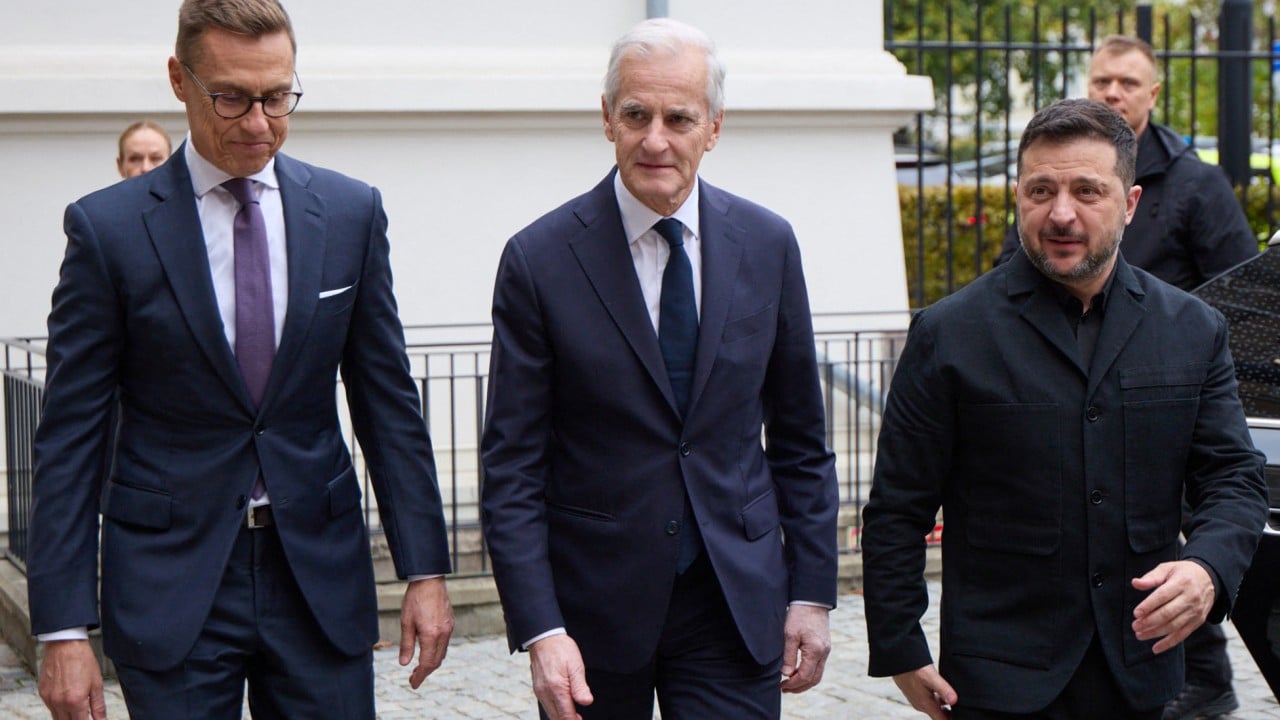
When Finnish President Alexander Stubb and Norwegian Prime Minister Jonas Gahr Store called Russian President Vladimir Putin on October 27, they took an unusual diplomatic step at a time when direct high-level contact between European governments and Moscow has been limited. The call, initiated by the two Nordic leaders ahead of renewed peace negotiations, also drew criticism from Denmark over the lack of broader European coordination.
The call did not signal a change in Finland or Norway’s position towards Russia. Both remain committed to Nato and continue to support Ukraine. Their initiative points instead to a question that will become increasingly important as diplomatic efforts advance: how can European countries pursue their own security interests while maintaining a common approach towards Moscow?
For Finland and Norway, direct contact with Russia is not new, although the two countries have different experiences of managing the relationship. Norway has long combined deterrence with reassurance, keeping channels of communication open even as political relations have deteriorated. Its 2025 National Security Strategy calls for a consistent and predictable approach towards Russia, coordinated closely with allies in the transatlantic alliance.
Just four days before the call, Norway and Russia reached a fisheries agreement for 2027, following their first face-to-face negotiations since 2019. The agreement came despite continuing disputes over sanctions, showing that practical cooperation has continued even as political relations remain strained.
Finland, which joined Nato in 2023, has taken a firm position towards Russia while leaving open the possibility of future engagement. In an August speech, Stubb acknowledged that Finland would eventually need to redefine its relationship with Russia as a neighbour, while also making clear that the future of that relationship would depend on Moscow’s actions.
These experiences show that maintaining contact with Russia can serve different purposes. Norway’s fisheries cooperation rests on established institutions and shared practical interests, while Finland has kept open the possibility of future political engagement.
Putin on Ukraine: end war via talks or by force
The October 27 call went further, bringing both leaders into direct discussions with Putin over Ukraine and efforts to end the Russian invasion. Such high-level diplomacy involves more contentious questions, however, and the continuation of practical cooperation offers no guarantee of progress in negotiations.
For Finland and Norway, being near Russia gives them particular security concerns. Finland shares a long land border, making changes in Russian military deployments and regional security arrangements especially relevant to its defence planning. Norway faces different challenges in the High North, where military activity, maritime security and cross-border relations remain important.
A peace settlement in Ukraine might end the fighting, but difficult questions about Russia’s military presence and Nato’s security arrangements in northern Europe will remain. Finland and Norway will have to deal with these issues long after negotiations end.
The October 27 call followed consultations in Oslo involving Ukraine, the United States, other European representatives and Nato. Following the call, Store argued that European governments should have their own channels of communication with Moscow rather than relying solely on Washington.
Finland and Norway emphasised that they had consulted Ukraine before the call and were speaking on behalf of their own governments, not Europe as a whole. Ukrainian President Volodymyr Zelensky subsequently welcomed their diplomatic support and discussed preparations for further negotiations.
The significance of this initiative also lies in the wider question of Europe’s place in the negotiations. European countries will have to live with the security consequences of any agreement, even if they are not directly involved in determining its terms. For Russia’s neighbours, direct diplomatic contact provides an additional opportunity to express concerns that might not receive equal attention in broader negotiations.
However, access to Moscow does not guarantee influence over Russian decisions. The Kremlin has given little indication of a change in its negotiating position. Direct engagement might still serve a purpose by allowing Finland and Norway to hear Moscow’s position first-hand and communicate their own concerns. Whether such contacts are worthwhile is a matter of debate among European governments.
Danish Prime Minister Mette Frederiksen criticised the initiative, questioning its value and calling for greater European coordination. Swedish Prime Minister Ulf Kristersson also expressed reservations about the call. Stubb and Store responded that partners and allies had been informed in advance. Being informed about an initiative, however, is not the same as helping to shape it.
European governments can agree on their support for Ukraine while differing over when and how to engage Moscow. Countries bordering Russia might have particular reasons to maintain direct contacts, but such initiatives require consultation with relevant partners and clarity about whose interests they represent.
The October 27 call produced no publicly announced breakthrough, but it nevertheless shows how Russia’s neighbours can seek a direct role in diplomacy as negotiations over Ukraine evolve. Finland and Norway will have to manage the security consequences of any settlement long after the talks themselves have ended.
Europe’s task is to make room for those concerns while ensuring national initiatives support a coherent diplomatic effort. Unity over Russia does not require identical channels of communication.
KioskNews shows a cleaned-up reading view extracted from the publisher’s page — the original always lives on their site, not ours.