Indonesia prepares for EV battery waste peak expected in 2040
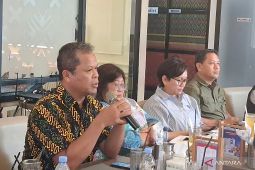
..the peak generation of used batteries is estimated to occur around 2040,
Jakarta (ANTARA) - Indonesia's Environment Ministry is developing an electric vehicle (EV) battery waste management ecosystem to prevent an accumulation of hazardous waste, which is projected to peak in 2040 as EV adoption accelerates.
Speaking in Jakarta on Friday (Sept. 4), the ministry's Director of Hazardous and Toxic (B3) and Non-B3 Waste Management, Amsor, explained that with EV batteries having an average operational lifespan of five to eight years, early infrastructure planning is crucial.
"The ministry assesses that electric vehicle battery waste will become a major problem if electric vehicle use grows as targeted. With a battery lifespan of around five to eight years, the peak generation of used batteries is estimated to occur around 2040," Amsor said.
To mitigate environmental risks, the government aims to finalize policy and regulatory frameworks this year, paving the way for the full ecosystem to be rolled out no later than next year.
Amsor noted that managing waste distribution across Indonesia's archipelagic geography remains the central challenge.
To address this, the government plans to implement a takeback system using authorized dealers and repair shops as primary collection points.
The ministry is also coordinating with relevant government bodies and the Indonesian Chamber of Commerce and Industry (Kadin) to formulate financial or service incentives for vehicle owners to return spent batteries.
"After being collected from dealers and repair shops, batteries will be forwarded to licensed collectors and then to recycling centers," Amsor explained.
"Batteries that still have a certain capacity will be directed to a second life (reuse), while components that are no longer usable will be recycled or, if truly unusable, landfilled," he added.
The government is currently conducting technical research to define capacity thresholds and safety standards for battery reuse.
Related news: BRIN develops coal waste-based battery technology for EV ecosystem
Translator: Lintang Budiyanti Prameswari, Yashinta Difa
Editor: M Razi Rahman
Copyright © ANTARA 2026
KioskNews shows a cleaned-up reading view extracted from the publisher’s page — the original always lives on their site, not ours.