Tourism leader backs Koh Chang bridge to boost eastern economy

TRAT — 22 November 2026, a senior tourism industry representative has expressed support for a proposed bridge connecting Koh Chang to mainland Trat, saying the project could ease transport bottlenecks, improve tourism access and create long-term economic opportunities across eastern Thailand.
Anucha Thianchai, chairman of the Tourism Council of Thailand’s Eastern Region 9, which covers Chanthaburi, Trat and Rayong, said the proposed Koh Chang bridge should be considered an important infrastructure investment rather than simply a solution to the island’s transport difficulties.
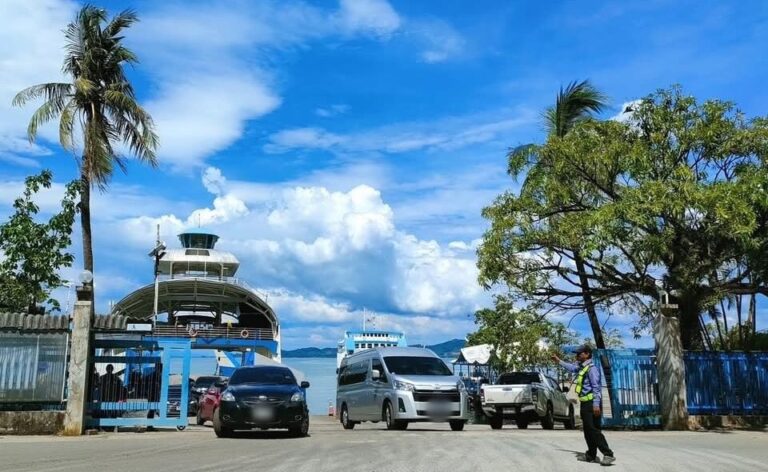
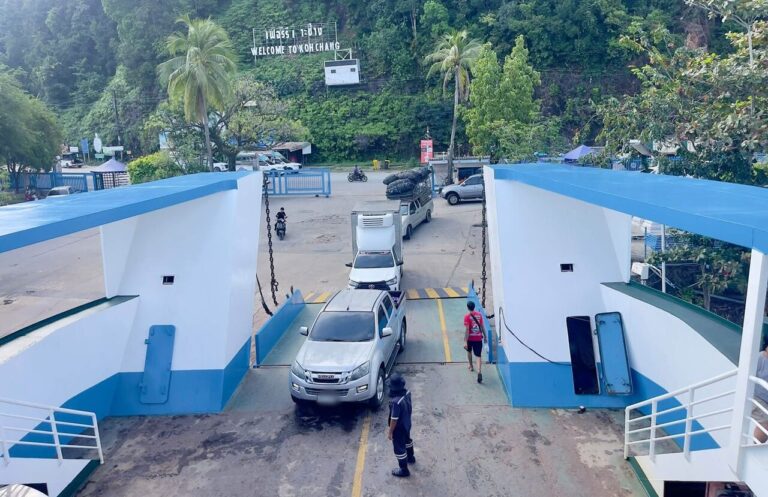
He said Koh Chang currently relies on ferry services, which face limitations in operating hours and passenger and vehicle capacity, particularly during long holidays and peak tourist seasons.
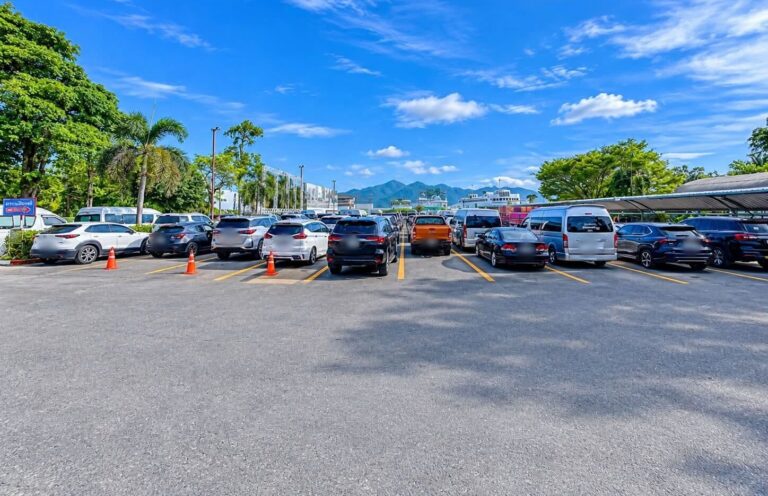
Visitors sometimes spend several hours waiting to board ferries, affecting travel plans and their overall experience before they even reach the island.


Bridge could improve access and tourism opportunities
Anucha said visitors’ first impressions were as important as the quality of hotels, accommodation and tourist attractions.
Uncertainty over travel times could discourage tourists and limit opportunities to expand the island’s tourism market, he said.
A bridge would provide more convenient and predictable access, particularly for tour groups, buses, conference visitors and families who may face difficulties planning trips around ferry schedules.
He added that a road connection could make it easier to develop tourism routes linking Chanthaburi, Trat and Rayong, allowing visitors to travel between attractions in the three provinces.
Hotels, restaurants, tour operators and other service businesses could also benefit from access to a wider customer base.
Beyond tourism, Anucha said a bridge could improve the daily lives of Koh Chang residents by making travel for work, business, agriculture and goods transportation more convenient.
He argued that a 24-hour road connection could reduce waiting times and associated costs, particularly for people needing to travel urgently.
Economic benefits must be weighed against environmental costs
Addressing concerns about the project’s budget and economic viability, Anucha said major infrastructure investments should not be assessed solely on construction costs or short-term financial returns.
He said policymakers should also consider business opportunities that may be lost because of existing transport limitations, along with the area’s long-term economic growth potential.
However, he acknowledged that the project would require careful assessment of its design, budget, environmental impacts and the island’s capacity to accommodate additional visitors.
If construction proceeds, authorities would need to develop supporting transport infrastructure, public services and tourism management systems.
Without adequate planning, improved accessibility could lead to heavier traffic, increased waste and overcrowding at tourist destinations, he warned.
Ferry improvements urged if bridge project is delayed
Anucha said that if government funding remains limited or the bridge cannot be developed in the near future, authorities should prioritise improvements to the existing ferry system.
These should include increasing the number of ferries, expanding service frequency, improving queue management and ensuring more reliable connections.
Such measures could help ease the current transport bottleneck while longer-term infrastructure options are considered.
Anucha said the proposed bridge should be viewed as part of a broader discussion about the future direction of eastern Thailand’s economy and tourism industry.
He stressed that any development should balance economic growth, residents’ quality of life and the protection of Koh Chang’s natural resources.
The objective, he said, should be to ensure that improved connectivity delivers tangible benefits to local communities and businesses without undermining the natural environment that supports the island’s tourism industry.
KioskNews shows a cleaned-up reading view extracted from the publisher’s page — the original always lives on their site, not ours.