Almost 30 Years Ago, 'Buffy the Vampire Slayer' Did 'Obsession' in This Action-Packed Episode

Marli Messner is a passionate writer who has written for literary magazines, educational zines, and now, Collider. She earned her BA in English Literature with Minors in Creative Writing and Spanish Translation from Knox College. She has won awards for her poetry, creative nonfiction, and literary criticism. She served as Co-Editor-in-Chief for Knox College's Catch magazine. Marli is a letterpress hobbyist, former theatre kid, and current poet.
Her background in theory and literature lends a thoughtful edge to her writing. She loves convincing her friends that unexpected movies, like Predator, are "actually really sophisticated." She's interested in all things horror, sci-fi, and action. Her favorite film is Alien.
Sign in to your Collider account
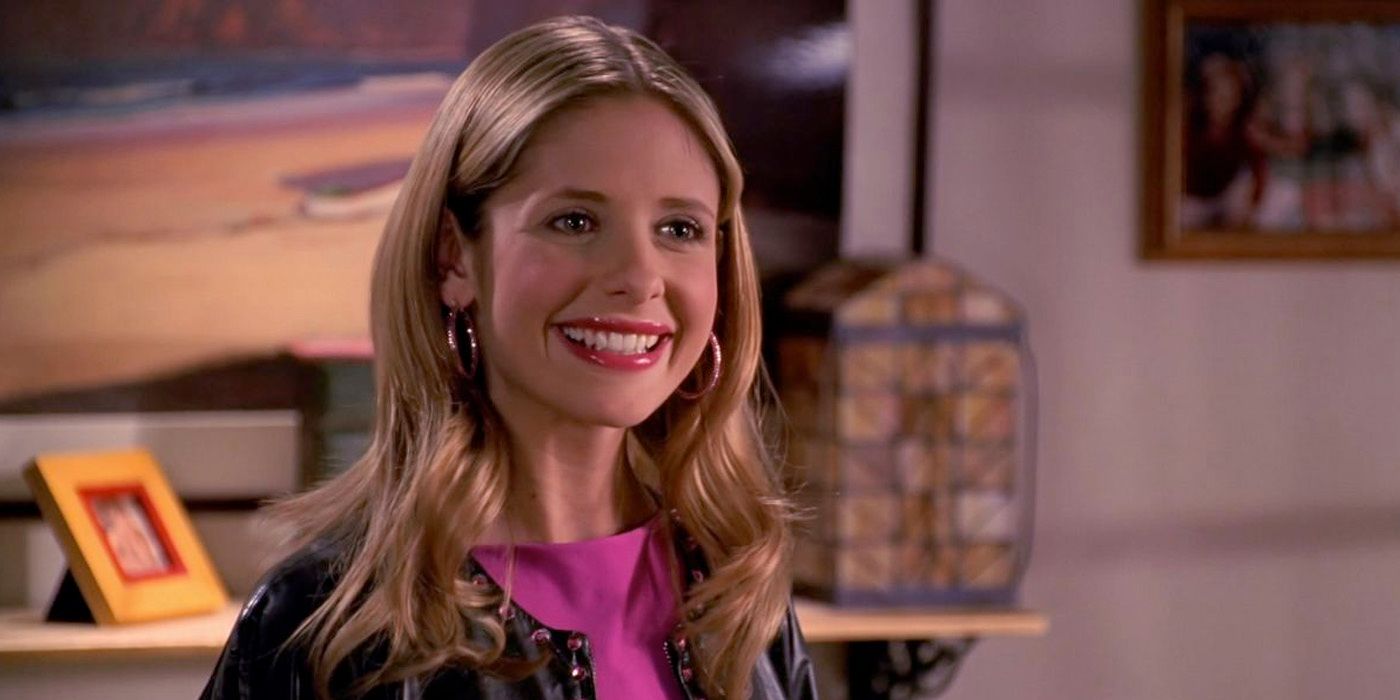
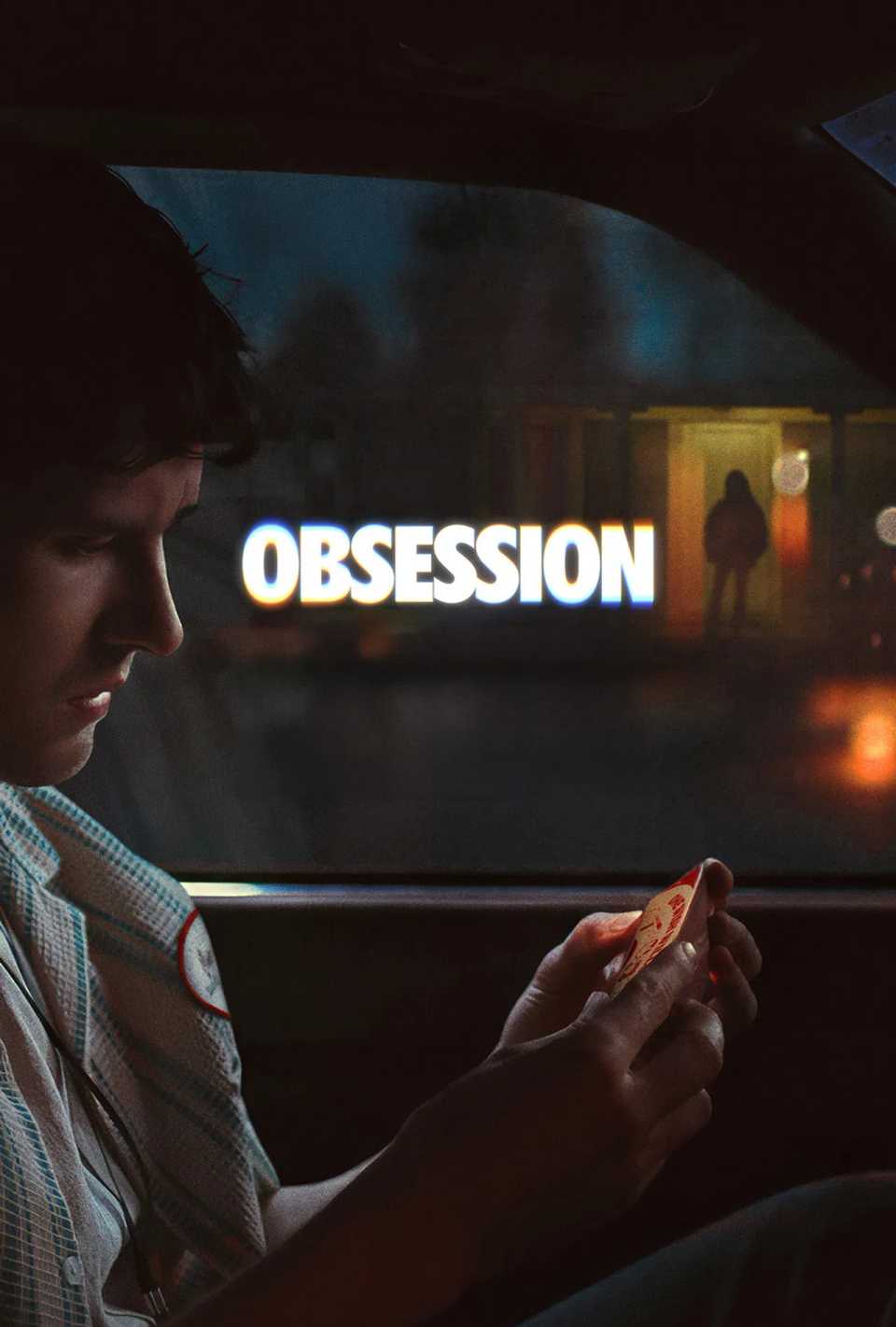
Everyone's favorite vampire-hunting librarian, Giles (Anthony head), tells off Amy, the teenage witch who just worked a love spell on the entirety of Sunnydale: "It's not love. It's obsession! Selfish, banal obsession." In Season 2, episode 16 of Buffy the Vampire Slayer, "Bewitched, Bothered, and Bewildered," Xander (Nicholas Brendon) blackmails the local witch into enacting a love spell on Cordelia (Charisma Carpenter), who just broke up with him on Valentine's Day. Then, he plans to reject her. His aim is simple and explicit, saying, "I intend Revenge. Pure as the drive in snow." As all love potion stories do, the plan falls to pieces. The spell works on everyone except Cordelia, and soon, every woman in Sunnydale is throwing herself at Xander. In Curry Barker's smash-hit Obsession, Nikki (Inde Navarrette), under the effects of a love wish, is certainly selfish, but her obsession is anything but "banal."
While Obsession follows the wish to its most gruesome, gut-wrenching end, Buffy the Vampire Slayer takes a similar premise and plays it for laughs. Women of all ages make unwanted advances on Xander, eventually threatening or attempting to enact violence when he rejects them. The humor of the episode depends on the supposed silliness of the threat, and depends on the harmful myth that men always want sex. That is, this episode of Buffy is only funny if you presuppose that Xander isn't in any real danger, either because the women pursuing him couldn't actually hurt him, or because he really wants what they're trying to give him. Almost 30 years later, Obsession presents a counter-narrative, playing out the true horror of Xander's situation.
'Obsession' and 'Buffy' Take Different Approaches to Violence Committed by Women

While Xander is still discovering the effects of the spell, Willow (Alyson Hannigan) surprises him in his own bed, offering sex before forcibly kissing his neck and ear. Xander, visibly uncomfortable, says "I don't want to use force!" Later, in tears, Willow wields a red axe against him, screaming, "all you had to do was love me!" Buffy (Sarah Michelle Gellar), a much more serious threat than Willow or the cafeteria lady, needs to be incapacitated for the majority of the episode so she can't kill Xander in a lustful rage, so she gets turned into a rat. As Obsession shows, however, a young woman doesn't need to be a vampire slayer to pose a serious threat to her lover.
Unlike Buffy the Vampire Slayer, which is full of magical powers and supernatural entities, the only magic in Obsession is the wish itself. All the horror is enacted by people — not people with special powers, or superhuman strength, just regular people. In her book In the Dream House, Carmen Maria Machado writes about the film Gaslight, stating, "[abusers] just need to want something, and not care how they get it." The supernatural tools that Bear and Xander both utilize to get what they want absolutely compromise the autonomy of their targets, Nikki and Cordelia. (Well, it was meant to be Cordelia, then turned out to be the entire town, but Xander's immoral intention holds.)
Xander's Obvious Fault Makes Him Easier to Laugh At in 'Buffy'

Xander is obviously guilty for enacting the love spell. He blackmails a classmate to cast the spell, and he does so, knowing and believing that the magic he's wielding will work. He's seen enough monsters and magic to know that it's real. Perhaps most damning, however, is the fact that he's working this love spell with the explicit intention of hurting Cordelia. Bear, by contrast, makes a wish on what looks like a novelty item, having no reason to believe that it will work.
The fact that Bear has no reason to believe that Nikki will be put under some kind of spell makes him much harder to blame than Xander. Once the wish is made, Nikki also "want[s] something, and [does] not care how [she] gets it." Nikki follows textbook patterns of abuse, including volatility, guilting, and controlling behaviors. She scares Bear out of sleeping and screams when he tries to sleep without her. She duct-tapes the front door shut in an attempt to keep him from leaving the house. She manipulates him emotionally when he tries to spend time with friends without her. That's all before she escalates to self-harm and then murder.
Unlike Bear in 'Obsession,' Xander Pulls Through
Xander's guilt is obvious in Buffy, whereas Bear's is treated with more nuance in Obsession, but Xander and Bear make different choices once the spell is in place. Bear begins to question Nikki's autonomy, but still goes through with spending the night with her, entering a relationship with her, and having sex with her. Given Nikki's volatility, manipulation, and eventual violence, like so many victims of abuse, Bear may not have had a true choice in the matter, unable to deny Nikki out of fear. Xander, on the other hand, rejects advances from Buffy when she suggests that they have sex.
Xander had a crush on Buffy very early in the series, and in classic will-they-won't-they fashion, it never fully petered out. But when Buffy offers herself to Xander and he rejects her, at physical risk to himself, he does so specifically because he knows her advances aren't genuine and he doesn't want to take advantage of her. At the end of the episode, once the spell is broken, Buffy thanks him for not accepting her advances while under the spell. She's a little embarrassed, and he is too, but that decision was an affirmation that Xander ultimately respects Buffy and her right to reject him.
Both 'Buffy' and 'Obsession' Explore the Horror of Being Obsessed

It's dangerous to suggest that the harm done by Nikki in Obsession is in any way justified or righteous. Attempts to do so follow the logic that Bear "asked for it." But both Obsession and Buffy explore the horror of being obsessed as much as being the subject of another's obsession. They especially explore the all-consuming nature fo this obsession, and how horrific it is to be subjected to that overwhelming emotion against one's will. For example, In Nikki's sleep, she asks Bear to kill her, to free her from her waking obsession with him. The women of Sunnydale, including Ms. Calendar and Buffy's mother, debase themselves in pursuit of Xander. In the final, sober scene between Xander and Buffy, they talk about Willow, and how embarrassed she is for having snuck into Xander's room and pursued him the way she did. Buffy notes that it's even harder for Willow because she used to have a genuine crush on Xander. Xander takes responsibility for his actions, but unlike Bear, he's able to find a way to reverse them.

- Release Date
- 1997 - 2003-00-00
- Network
- The WB
- Showrunner
- Joss Whedon
- Directors
- Joss Whedon
- Writers
- Joss Whedon
-

Buffy Summers
-

Nicholas Brendon
Alexander Harris
- Release Date
- May 15, 2026
- Runtime
- 108 minutes
- Director
- Curry Barker
-

Michael Johnston
Bear
-

Inde Navarrette
Nikki
-

Cooper Tomlinson
Ian
-
Megan Lawless
Sarah
- Writers
- Curry Barker
- Producers
- Christian Mercuri, James Harris, Roman Viaris, Haley Nicole Johnson
KioskNews shows a cleaned-up reading view extracted from the publisher’s page — the original always lives on their site, not ours.