As members of Donald Trump’s administration relocate to military houses, is the cabinet changing the way they are used?
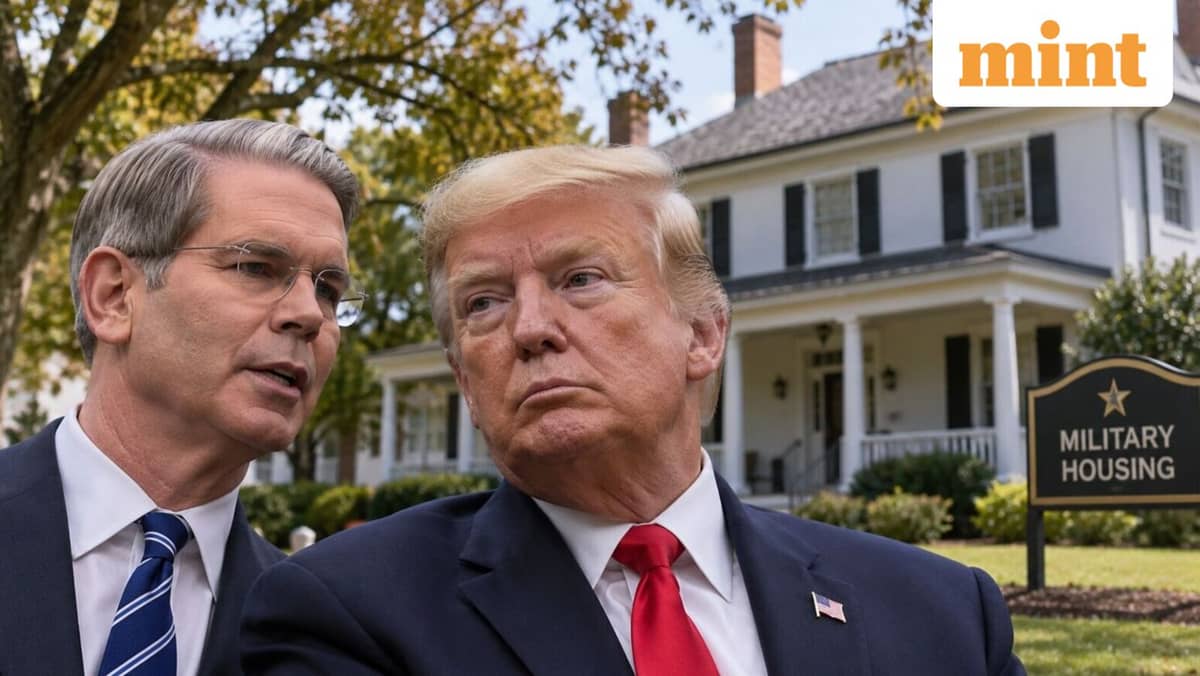
US military residences, some of which are more than a century old, are located behind access-controlled gates and fenced off from the rest of the US capital, Washington. These properties have suddenly become some of the most sought-after residences among members of President Donald Trump's Cabinet.
According to a CNN report, the houses were originally intended to accommodate generals and other senior military officials. However, they are increasingly being occupied by Cabinet members, who say they feel safer living there than elsewhere in the city.
Roughly half a dozen members of Trump's administration now live in military housing in Washington, DC, marking a historically high figure. Under previous presidents, it was uncommon for senior civilian officials to reside in such accommodation.
Security concerns drive officials to military housing
The development comes as the United States witnesses a rise in political violence and growing threats from foreign adversaries. Earlier this month, reports indicated that Iran was planning to target senior members of the Trump administration by detonating a so-called dirty bomb or chemical weapon in Washington.
Experts believe that the trend of senior officials choosing to live in secure military compounds could continue under future administrations, regardless of whether they are Republican or Democratic. However, this shift could come at the cost of a longstanding tradition of civilian leaders living among ordinary citizens.
While Trump has sought to reshape Washington by deploying National Guard troops over concerns about public safety, building a sprawling new ballroom at the White House and redeveloping a public golf course, his administration has become more isolated from the city than its predecessors.
An expert told CNN, "When they have jobs like that, they’re already living in a bubble because they have security details and they’re hustled from one event to another or to their homes," and added, "But now, even more dramatically, they’re not even living in the kind of neighborhood that most of us live in.”
A White House official, meanwhile, pointed to a decline in crime in the capital, stating that "while many of these Cabinet officials aren’t able to live in the city themselves due to targeted security threats, they have personally contributed to the Administration’s efforts” to make the capital “safe and beautiful.”
Democratic lawmakers seek scrutiny of housing arrangements
However, the Trump administration's changes to officials' living arrangements have drawn scrutiny from Democratic lawmakers.
The Pentagon is required to submit a report to the House Armed Services Committee by this spring, detailing which political appointees are residing in military housing, the security threats behind their relocation, the legal basis for these arrangements and the rental charges involved.
Rep. George Whitesides of California, who secured the House Armed Services Committee's approval for the report, said it was necessary to investigate “politically-appointed officials living in housing designated for military members to ensure they are paying fair market rates.”
Which Trump officials have moved into military housing?
Treasury Secretary Scott Bessent became the latest Cabinet member to relocate to military housing after moving out of his Georgetown mansion and into a secure military base in Washington. Bessent, who appeared on CNBC's Squawk Box earlier this month, said the move came amid Iranian threats to his life, as he had led an economic pressure campaign against Tehran through sweeping sanctions.
Attorney General Todd Blanche has also relocated to a military base amid mounting concerns for his safety. His predecessor, Pam Bondi, had similarly lived on a military base last year.
While some officials moved into secure military residences because of threats from overseas, others were concerned about the risk of political violence within the US. These concerns intensified following the killing of conservative activist Charlie Kirk and a series of other credible threats directed at them.
White House chief of staff Stephen Miller and his wife, Katie, who have four children, left their Virginia residence last year and moved into military housing. The move followed an incident in which a woman protested outside their home and circulated leaflets bearing their address. A White House official said, “The Millers relocated because there was an elaborate, well-documented stalking, doxing, and threat campaign targeting their residence.”
The growing number of civilian officials moving into military housing has raised questions about the use of properties intended for senior military personnel, as well as the extent to which security concerns are changing the way government leaders live in the capital. The Pentagon's report is expected to shed light on the arrangements, including their legal basis and costs, and whether officials are paying market rates for their accommodation.
KioskNews shows a cleaned-up reading view extracted from the publisher’s page — the original always lives on their site, not ours.