Why India and Pakistan's stock markets are rallying after the US midterms
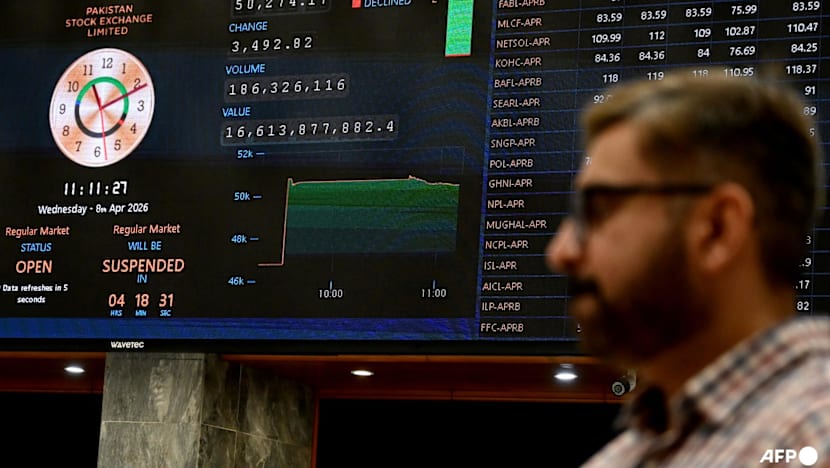
Stock markets in India and Pakistan have rallied following the US midterms, buoyed by hopes of easing tensions with Iran and lower oil prices. But analysts say the gains are driven by different factors, and lasting economic relief remains uncertain.
New: You can now listen to articles.

This audio is generated by an AI tool.


12 Nov 2026 11:22AM
BENGALURU/KARACHI: Investors in India and Pakistan are hoping that the outcome of the United States midterm elections held last week will ease geopolitical tensions and bring down oil prices, offering relief to two economies grappling with high energy costs.
Stock markets in both countries posted some of their biggest gains in months last week after Democrats won control of both chambers of the US Congress, raising hopes that President Donald Trump could face greater checks on his trade and foreign policies.
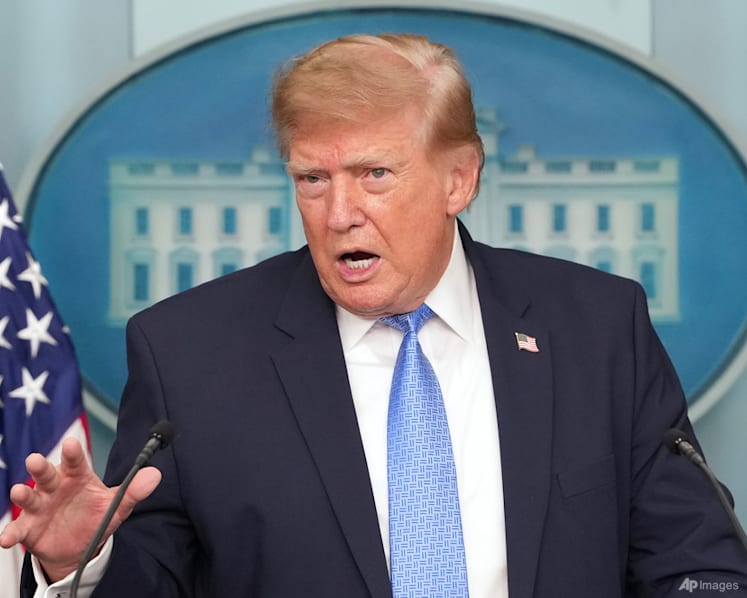
The rally extended into this week, with India's benchmark index Nifty 50 rising 0.84 per cent on Wednesday (Nov 11), while Pakistan's KSE-100 slipped 0.14 per cent after surging 3.13 per cent the previous day, amid easing geopolitical tensions, lower oil prices and strong remittance inflows.
For India and Pakistan, which rely heavily on imported oil, lower energy prices could help ease inflation and reduce pressure on businesses and households.
But analysts say the rallies are being driven by different factors.
In India, stronger corporate earnings and renewed foreign investor interest have helped lift markets, while Pakistan's rally has been fuelled largely by hopes of easing US-Iran tensions.
Global oil prices fell nearly 12 per cent between the US midterm elections and Nov 10, according to Reuters price data, amid hopes that easing tensions with Iran would reduce supply disruptions.
But analysts caution that lasting economic relief will depend on whether oil prices remain low and diplomatic hopes lead to concrete progress.
For now, it remains unclear whether the stock market rallies signal a broader economic recovery or merely short-lived optimism.
INDIA'S STOCK MARKET RECOVERY GOES BEYOND US ELECTIONS
Anita Gandhi, head of institutional equities at brokerage Arihant Capital Markets, said Indian stocks had been declining since September 2024 amid slowing economic growth and weakening investor confidence.
India's benchmark index Nifty 50 fell nearly 16 per cent from its September 2024 peak to March 2025, according to stock exchange data.
US tariffs, rising oil prices and geopolitical tensions subsequently added to the pressure, she said.
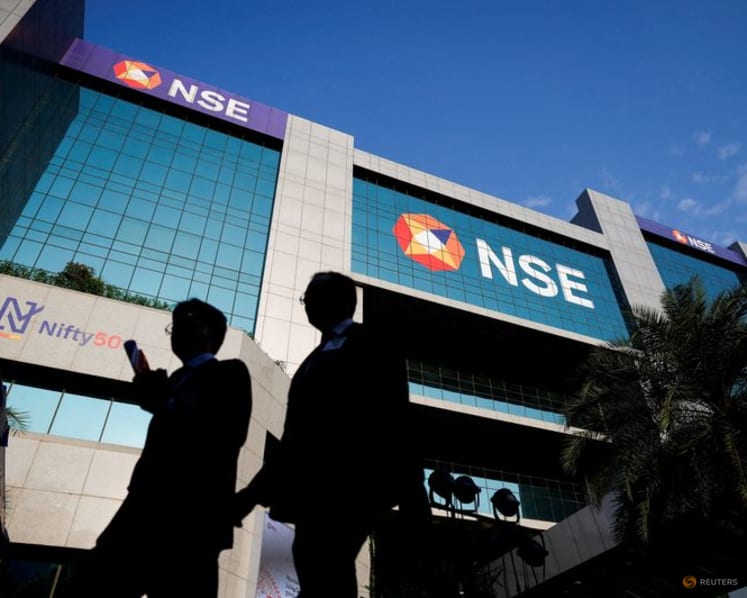
But Gandhi believes the prolonged sell-off has also created opportunities, as share prices have become more attractive to investors. She pointed to better-than-expected corporate earnings in the July-to-September quarter and recent efforts to make Indian markets more accessible to foreign investors.
These developments, alongside "good earnings and reasonable valuations", have helped improve foreign investors' perceptions of India, she said.
Gandhi considers the US election outcome an additional boost rather than the main driver of the recovery.
Hariselvan Radhakrishnan, founder and CEO of investment advisory firm HST Wealth, was more cautious about whether the recent surge in foreign investment would last.
He said some international investors who had previously bet on further declines in Indian stocks appeared to be buying to close those positions as prices recovered, rather than making fresh, long-term investments in the market.
"A few strong session cannot establish a lasting change in allocation," he said.
Radhakrishnan said a more convincing turnaround would require sustained foreign buying over several weeks, investment across a wider range of industries and stronger corporate earnings.
PAKISTAN'S MARKET RALLY RIDES ON PEACE HOPES
In Pakistan, analysts attributed the market rally following the US midterms largely to hopes of easing tensions between Washington and Tehran.
Muhammad Waqas Ghani, head of research at brokerage JS Global, told CNA that investors were betting on easing geopolitical risks.

Pakistan's benchmark index KSE-100 rose for two consecutive sessions after the US midterms before falling 0.85 per cent on Nov 6 as oil prices climbed and investors sold shares to cash in on earlier gains.
The index rose again on Tuesday after a long weekend as oil prices eased, but slipped the following day, highlighting the fragility of investor confidence.
Ghani said a sustained recovery would depend on concrete progress towards a ceasefire or de-escalation of the US-Iran conflict, rather than expectations alone.
For Pakistan, the benefits could extend beyond the stock market.
Ghani estimated that easing war-related pressures could reduce projected inflation by 1 to 1.5 percentage points.
JS Global raised its inflation forecast for the year ending June 2027 from 8.2 per cent to 9.8 per cent because of the conflict.
Ghani warned that even with lower energy prices, inflation was unlikely to return to Pakistan's central bank target of 5 to 7 per cent anytime soon.
Mohammad Sohail, CEO of Pakistani investment firm Topline Securities, said rising oil and gas prices could slow economic growth, fuel inflation and affect interest rates and stock markets.
However, he believes Pakistan is better placed to withstand such shocks than in previous crises, thanks to an improved economic position.
The country’s foreign exchange reserves have risen to about US$26.8 billion, according to central bank data, while the government's budget shortfall has narrowed to its lowest level in more than 20 years.
Still, much depends on what happens next in the Middle East.
Hopes of a diplomatic breakthrough are growing, with Trump meeting Qatar's prime minister on Monday as efforts to end the war in Iran intensify.
But US and Gulf officials have cautioned that an agreement is far from certain, according to media reports.
"A sustained decline in oil prices and the reopening of the Strait of Hormuz would be positive. But we still need to await the details of any US-Iran deal," said Priyanka Kishore, a Singapore-based economist.
KioskNews shows a cleaned-up reading view extracted from the publisher’s page — the original always lives on their site, not ours.