Realpolitik in white robes: the illusion of the Muslim unity rally
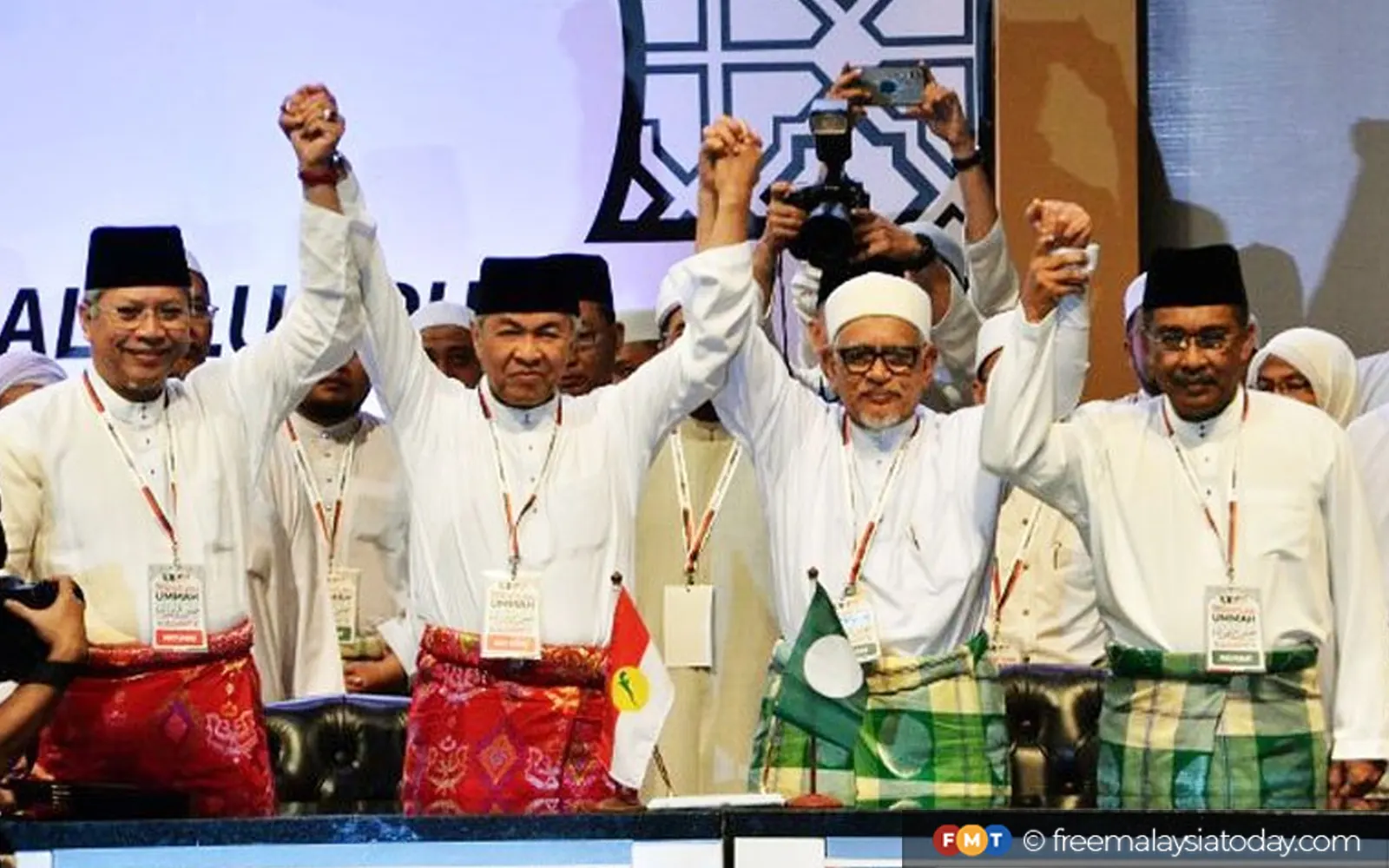
By backing a proposal to co-organise the Himpunan Perpaduan Ummah or Muslim unity rally with PAS, Umno has once again dusted off a familiar playbook.
As the two giants prepare to mobilise a projected million-strong crowd, observers are left with a lingering sense of déjà vu. In the theatre of Malaysian politics, it seems that when it comes to genuine Malay-Muslim consolidation, never the twain shall meet.
To some political analysts, if the ultimate goal were truly the advancement of the community, the most logical formula would not be another rally.
Instead, it would be the consolidation of all Malay-Muslim parties into a single, unified platform to articulate their grievances. Doing so would offer definitive proof of sincerity in the name of race and religion.
But are these leaders prepared to surrender their banners? If history is any indication, the answer is a resounding no.
Over the decades, deep-seated “warlordism” and entrenched political machinery have fortified the walls of individual parties. Dissolving these structures would require ambitious, high-profile leaders to step down and yield power to former rivals.
Historically, the instinct of Malay political elites facing internal disagreement has not been compromise, but fragmentation – as seen when Bersatu splintered from Umno, and Amanah broke away from PAS.
Even temporary truces expose these fragile foundations. Previous coalitions, such as the defunct Muafakat Nasional (MN) pact and Perikatan Nasional, frequently fractured over the brutal math of election seat allocations.
Because these parties target the same Malay-majority constituencies, a total merger would demand that local chieftains voluntarily cede traditional strongholds to erstwhile opponents – a move that almost invariably triggers grassroots rebellion.
Consequently, joint rallies serve a purely cosmetic purpose: projecting an image of ummah unity to voters when convenient, without forcing any party to surrender its unique identity, internal hierarchy or independence.
This brings to light a profound irony regarding the narrative of “fragmentation”. In terms of religious doctrine, Muslims in Malaysia are already fundamentally united; virtually all Malay-Muslims adhere strictly to Sunni Islam and follow the Shafi’i school of jurisprudence.
The division, therefore, is not theological but strictly political.
Ideological factions
The Malay-Muslim electorate is currently fractured across competing political factions. Umno maintains its traditional nationalist stance, PAS advocates an Islamist governance model rooted in shariah principles, and Bersatu and Pejuang operate as Malay-centric opposition blocs.
On the other side of the aisle, PKR and Amanah champion a progressive, moderate approach, arguing that universal Islamic values like justice and trust should be translated into practice within Pakatan Harapan’s multicultural framework.
Proponents of the rally will argue that this political division weakens the community’s bargaining power on socio-economic issues, institutional representation and constitutional Bumiputera rights. Conversely, critics warn that weaponising a universal faith to consolidate ethnic power would inadvertently worsen racial polarisation in Malaysia’s diverse society.
Ultimately, observers overwhelmingly view the upcoming gathering as a tactical manoevre disguised as a religious obligation. By framing the rally as a spiritual duty, Umno and PAS are attempting to claw back Malay voters from competing factions – particularly Bersatu, which fell out of favour with PAS earlier this year.
We have seen this movie before. In 2019, reeling from historic losses in the 14th general election, Umno and PAS forged the MN charter under a similar banner of solidarity.
That “unity” dissolved by late 2022 when Umno shifted its priorities to join the unity government. Reviving the alliance now is simply a tactical pivot as the political tides shift ahead of the 16th general election.
The underlying self-interest has not gone unnoticed. Pejuang quickly challenged the organisers, noting that if the rally were truly about the broader welfare of the ummah, it would not be exclusive to just two parties manoeuvring for dominance and seat-sharing arrangements.
While Himpunan Perpaduan Ummah will undoubtedly be a festive affair filled with passionate rhetoric to defend the faith and race, it will not pave the way for a monolithic political entity.
The deep ideological divides and organisational cultures of the respective parties remain deeply entrenched. When the dust settles and the next election arrives, these factions will once again fight bitterly for the same seats.
The rally, for all its spiritual optics, remains an exercise in pure realpolitik.
Moaz Nair is an FMT reader.
The views expressed are those of the writer and do not necessarily reflect those of FMT.
Subscribe to our newsletter and get news delivered to your mailbox.
KioskNews shows a cleaned-up reading view extracted from the publisher’s page — the original always lives on their site, not ours.