Japan’s Takaichi faces icy Apec summit as support for China policy slides
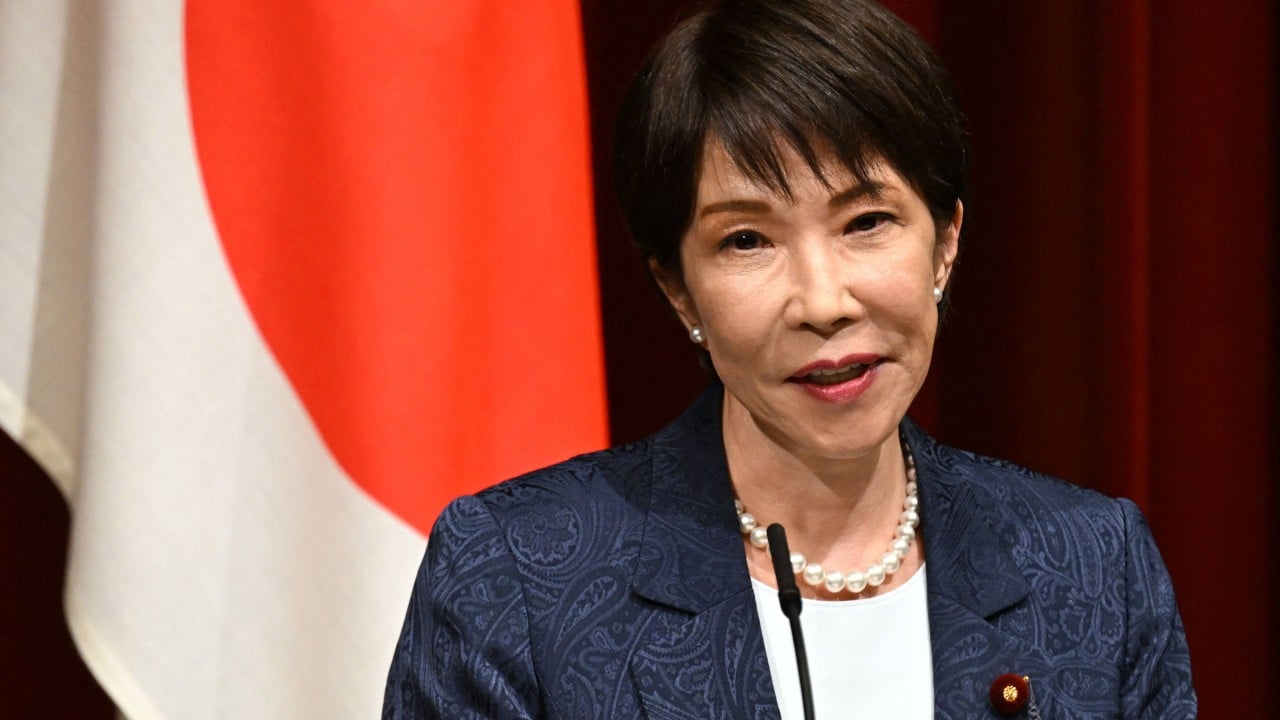
Japanese Prime Minister Sanae Takaichi arrives at the Apec summit in Shenzhen on Wednesday with public backing for her China policy at its lowest since she took office 13 months ago.
Analysts expect her to receive a chilly reception from her Chinese hosts at the Asia-Pacific Economic Cooperation forum, a yearly meeting of leaders from 21 economies around the Pacific Rim. They also question her ability or desire to change diplomatic course.
A public-opinion poll published in the conservative Yomiuri newspaper on Monday found that 44 per cent of 1,033 respondents approved of Takaichi’s China policy – down from 46 per cent in October and 62 per cent in November last year, when the question was first asked.
A second poll, similarly published on Monday by the left-leaning Asahi newspaper, found that 67 per cent of 959 respondents did not expect relations with China to improve under Takaichi. In a November survey last year, that figure was 44 per cent.
04:47
Why have Takaichi’s Taiwan comments sent China-Japan ties into a tailspin?
China-Japan relations have been at their lowest ebb in decades ever since Takaichi made a remark in parliament in November last year about a conflict in the Taiwan Strait being a “survival-threatening situation” for Japan.
Under Japanese law, such a situation would allow the country to use its military to fight alongside an ally under attack, known as collective self-defence.
Takaichi’s comments initially boosted her popularity at home. Beijing demanded that she retract them, but she has so far refused.
Relations with China have deteriorated ever since, affecting diplomatic and trade ties as well as the broader balance of security.
Beijing regards Taiwan as part of China to be reunited by force if necessary. Most countries, including the United States and Japan, do not recognise Taiwan as an independent state, but both oppose any attempt to take the self-ruled island by force.
Not for turning
Hiromi Murakami, a professor of political science at Temple University’s Tokyo campus, said voters doubted Takaichi would soften her stance.
“It is clear that most people are not optimistic that relations with China are going to improve,” she said, adding that they were also recognising that “failing to improve relations affects Japanese businesses, the inbound tourism sector and also weakens Tokyo’s position” in its dealings with countries such as Russia.
“Japan now has fewer options and that is only going to get worse if she continues this approach,” she said of Takaichi.
Previous governments had “carefully revised” remarks or official positions that harmed the national interest, Murakami said, but she thought Takaichi was unlikely to do the same.
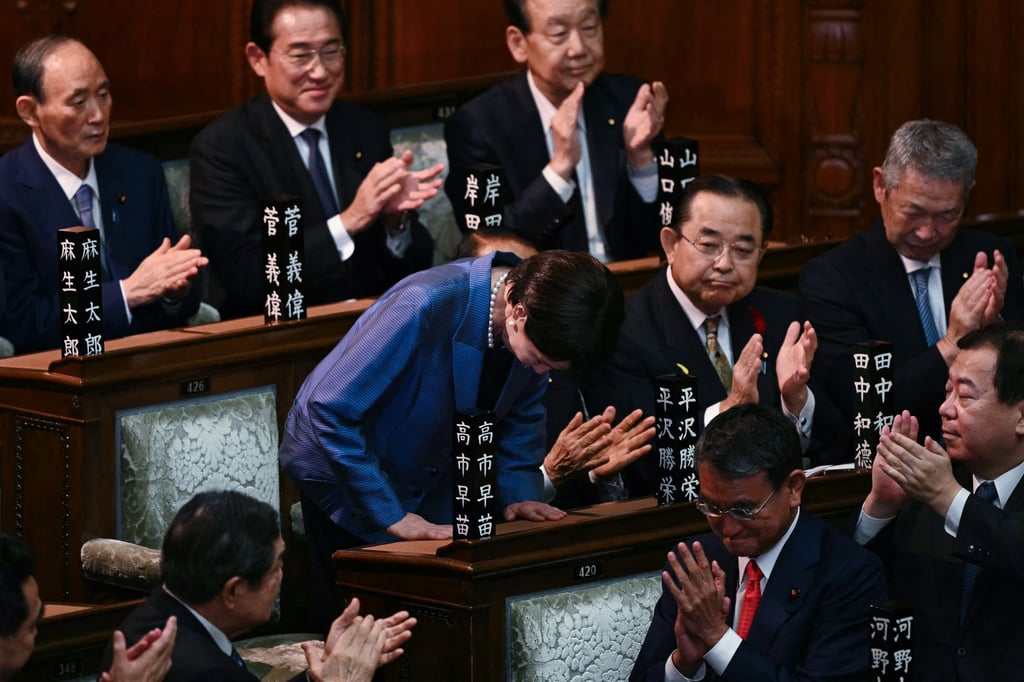
Conservatives had applauded her comments last year “and she needs to keep those core supporters happy”, Murakami said, pointing to the fact that every law passed so far under her tenure had strong support from the party’s conservative wing. “She will not risk losing their support by backtracking on China.”
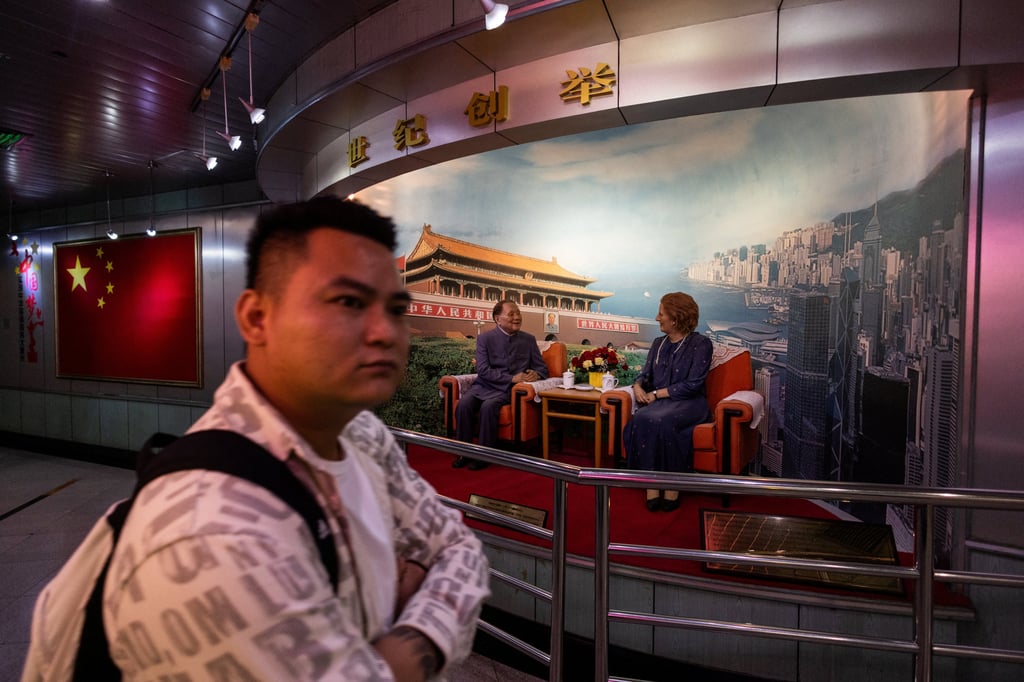
Stephen Nagy, an international-relations professor at Tokyo’s International Christian University, noted that Takaichi had modelled herself on Margaret Thatcher, the British prime minister nicknamed the “Iron Lady” who was renowned for her refusal to change her mind.
The ruling Liberal Democratic Party, the country’s military, the US and Japan’s other security partners all regarded China’s rise as “a threat” to regional stability, he said.
“They [also] all need to cooperate to create a broad deterrent structure,” Nagy said, adding: “I think Takaichi will continue to push back on China.”
Xi’s subtle signal?
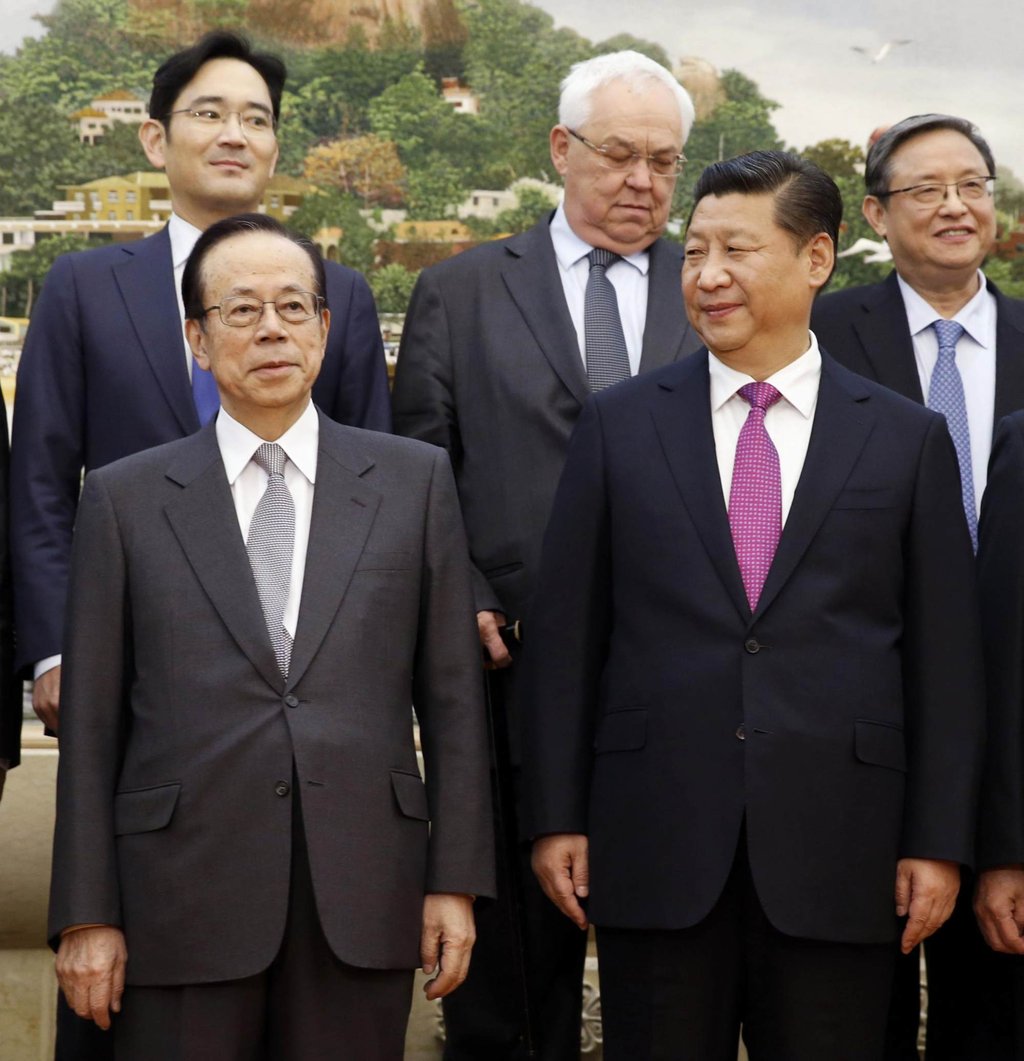
Nagy pointed to one development that some in Japan have read as a Chinese overture. When former prime minister Yasuo Fukuda died in October, Chinese leader Xi Jinping sent a personal letter of condolence that praised Fukuda for improving Sino-Japanese ties while in office.
It ended with Xi’s hope that Japanese authorities would “cherish the efforts of previous generations of statesmen, abide by the four political documents between China and Japan, and safeguard the political foundation of bilateral relations”. Those four documents are the main agreements governing the two countries’ relations.
“That is being interpreted here as an effort by China to reach out and stabilise the relationship,” Nagy said.
But he added that if Takaichi and her advisers concluded that Beijing still saw economic value in Tokyo while rejecting better diplomatic ties, she was unlikely to deviate from the firm stance that had marked her first year in office.
KioskNews shows a cleaned-up reading view extracted from the publisher’s page — the original always lives on their site, not ours.