Hong Kong badly lags peers in Greater Bay Area AI supply chains
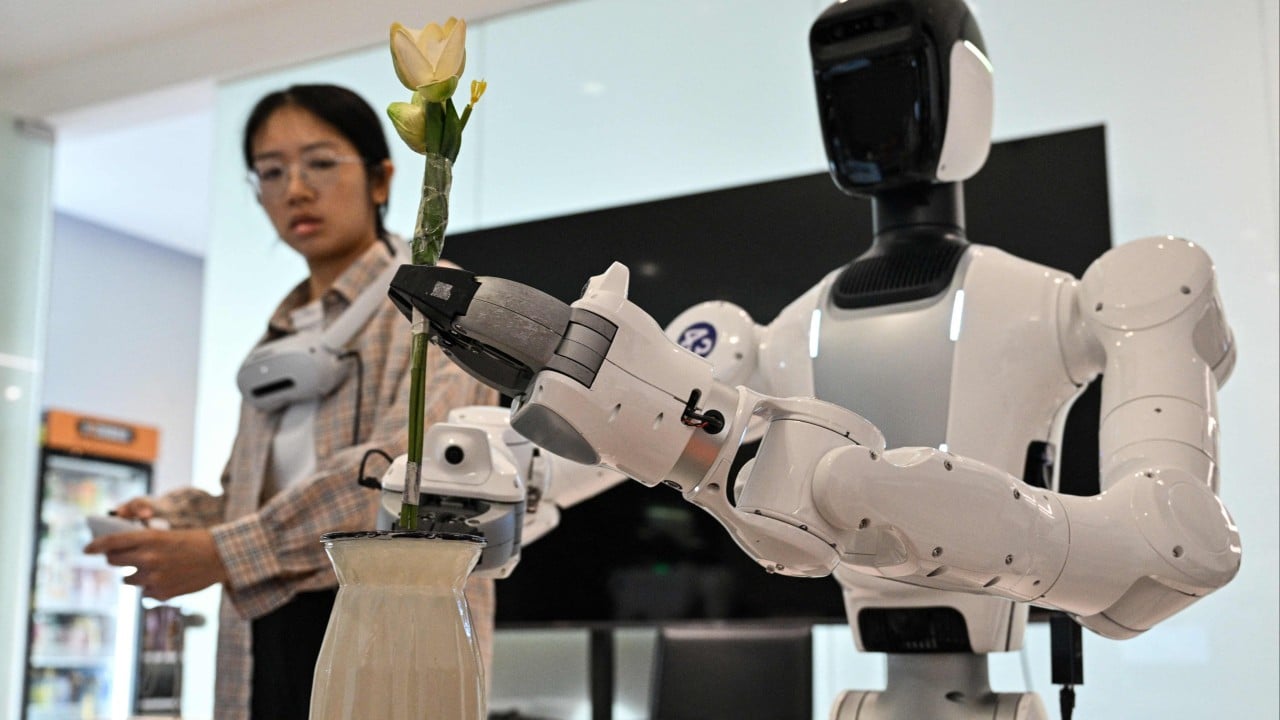
Hong Kong is significantly lagging behind its neighbours and ranks near the bottom in meeting the growing demand for artificial intelligence supply chains, according to a major index evaluating key developments across the Greater Bay Area.
The finding is part of the Greater Bay Area Industry Development Index 2026, jointly released on Thursday by think tank Our Hong Kong Foundation and Dah Sing Bank. The index evaluated the performance of the 11 cities in the bay area in key sectors including trade and logistics, construction, real estate, innovation, technology and financial services.
Hong Kong led overall growth among all 11 cities, with expansion of 5.1 per cent across six key industries from last year.
“Shenzhen, Guangzhou and Dongguan took the top three spots in the area of ‘surge in AI supply chain demand benefits advanced and hi-tech manufacturing’,” foundation vice-president Kenny Shui Chi-wai said.
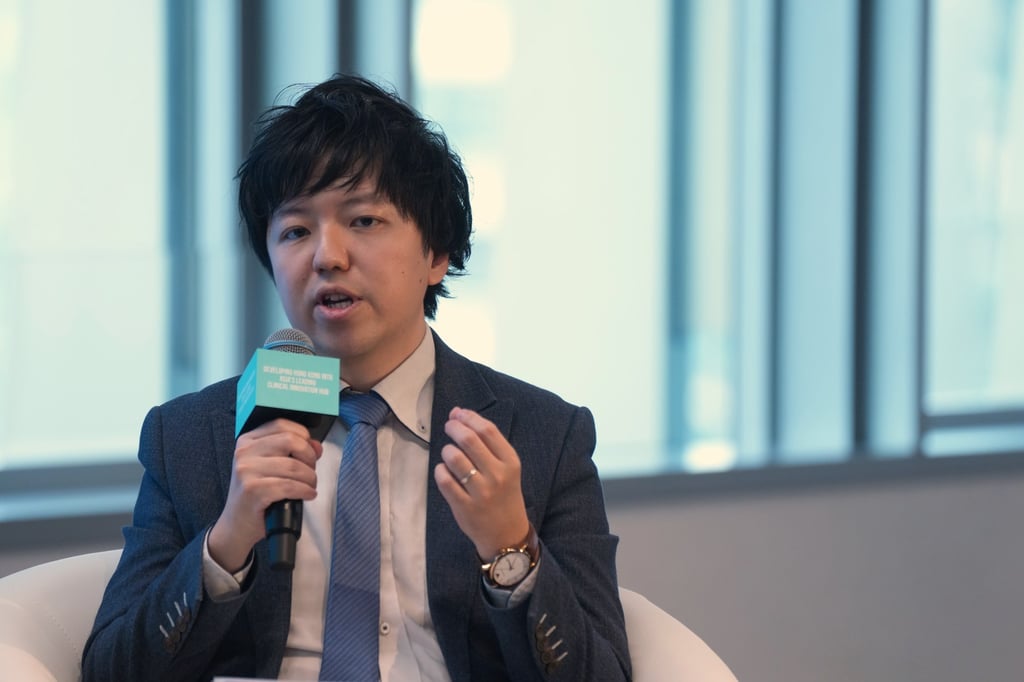
He added that sectors such as new materials, semiconductors and energy storage were all components of the AI hardware supply chain.
The report showed Hong Kong placing ninth among the 11, lagging significantly behind some mainland cities where enterprises have long focused on highly specialised and narrowly defined segments of the supply chain.
Beijing officially launched the bay area blueprint in early 2019 with the aim of developing it into one of the world’s largest economic and business hubs.
In 2022, the bay area’s nominal gross domestic product (GDP) exceeded 13 trillion yuan (US$1.95 trillion), up from about 12.6 trillion yuan in 2021, according to official data.
The bay area covers about 56,000 sq km – 50 times the size of Hong Kong – and is home to more than 86 million people. That makes it larger and more populous than the world’s three leading bay areas – New York, Tokyo and San Francisco.
The Greater Bay Area comprises Hong Kong, Macau and nine cities in neighbouring Guangdong province – Guangzhou, Shenzhen, Zhuhai, Foshan, Huizhou, Dongguan, Zhongshan, Jiangmen and Zhaoqing.
Under the 2019 blueprint, Hong Kong was to consolidate its status as an international hub for finance, trade, transport and aviation, while building closer ties with mainland cities, connecting them with the global community.
According to the index, Hong Kong performed well in several areas.
In financial services, the city comfortably outperformed its regional peers across multiple subcategories, including investment products, and policy support, securing the top spot.
It also ranked first in trade and logistics, driven by its enduring strength as an international trade and aviation hub.
In culture, sports and tourism, sports-related and tourism consumption in Hong Kong showed strong momentum, boosted by the spillover effects of co-hosting the 15th National Games last year.
KioskNews shows a cleaned-up reading view extracted from the publisher’s page — the original always lives on their site, not ours.