Tai Po fire risks went unchecked as ‘honour system’ exploited, report says
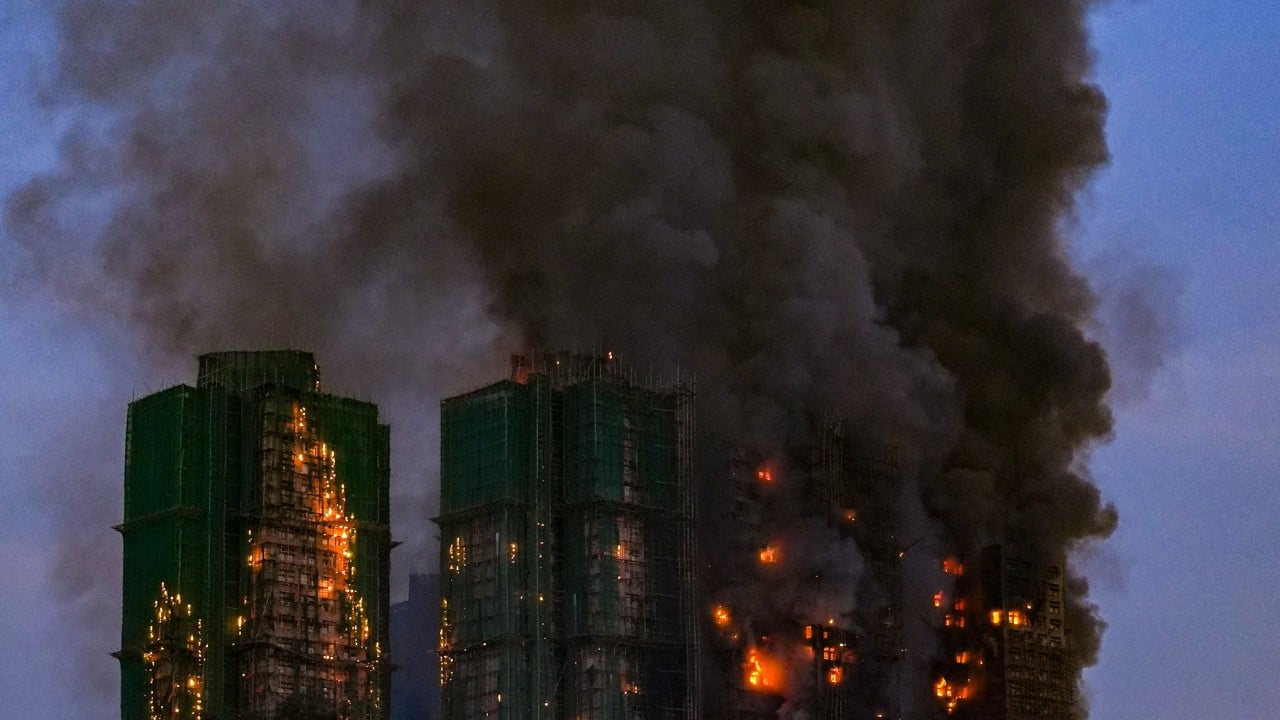
The lack of a sense of crisis and an overreliance on an “honour system” prevented the buildings, labour and fire safety authorities from acting on fire safety risks at Wang Fuk Court in Tai Po, a judge-led panel that investigated Hong Kong’s deadliest blaze in decades has found.
But among the four government bodies singled out in the independent committee’s final report on the fire, the Labour Department should bear the least responsibility, it said.
“Firstly and most importantly, there was a general lack of sense of crisis among various responsible departments that a devastating building facade fire of such scale could have happened in Hong Kong. Put simply, they failed to foresee the risks which were very much foreseeable,” the panel said in the report released on Thursday.
“Had the various government departments involved had a sense of crisis about the risks and possible consequences of building facade fires, plugged the loopholes in the regulatory regimes, [and] properly prioritised their work having regard to the high and obvious risks associated with [building maintenance and renovation] works … there was a real possibility that the misconduct of the private-sector parties and the fire hazards in WF Court could have been rectified or removed before the fire.”
The Tai Po blaze broke out on November 26, 2025, claiming 168 lives and displacing nearly 5,000 residents.
The report also pointed to a prevalent culture of desktop audits, under which regulatory authorities reviewed documents on a sampling basis, resulting in practically no site safety inspections being conducted unless a complaint was lodged.
“For most of the regulatory regimes involved in this particular incident, the government has just relied on the proper discharge of the duties on the part of professionals … i.e. the ‘honour system’,” the report said.
“The evidential picture is one of a regulatory process that assumed honesty but invited exploitation.”
Among the examples cited in the report, the Buildings Department and the Housing Bureau’s Independent Checking Unit failed in their supervisory duties at both policy and operational levels.
The two bodies failed to adequately regulate temporary building materials such as foam boards and scaffolding nets.
The Fire Services Department also failed to assess fire hazards properly and operated a structurally deficient notification system for the shutdown of fire service installations.
There was no mechanism to follow up on prolonged system shutdowns lasting less than a year, according to the report.
The Labour Department also handled complaints about on-site smoking and improper building materials with a rigid working attitude.
For example, it required occupational safety officers to personally witness workers smoking during inspections – a requirement the committee’s counsel said was practically impossible to meet.
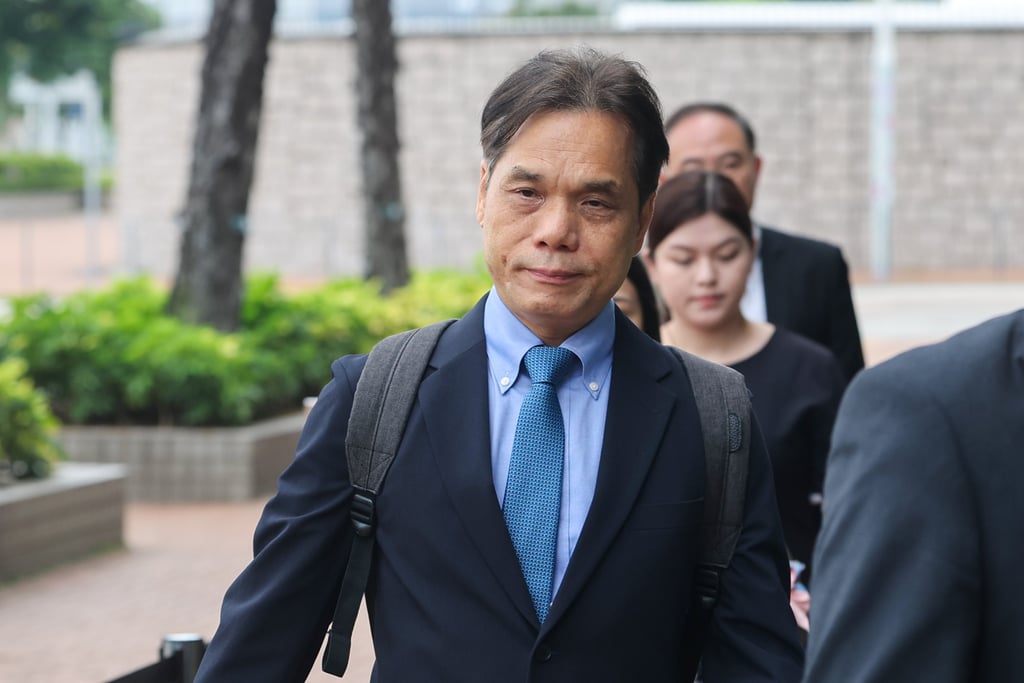
However, the panel said the department should bear less responsibility for the fire than the other three bodies as its primary focus was on the occupational safety of workers, rather than the fire safety of building occupants in general.
The report named at least 11 government and statutory body officials directly involved in the works and associated complaints, alongside other frontline officers.
Among those named for operational failures was Andy Ku Siu-ping, a senior maintenance surveyor at the Independent Checking Unit, who provided advance notice to contractors before inspections, allowing them to stage compliance.
Fung Yuk-lun, a Fire Services Department station officer, was also named. He conducted on-site risk assessments but failed to enter pump rooms, check master power switches or verify the status of fire alarms.
KioskNews shows a cleaned-up reading view extracted from the publisher’s page — the original always lives on their site, not ours.